

4 Inch Top Caster Wheels Factory: Ultimate Guide to Durable Industrial Wheels
2026-01-30
In the demanding world of industrial operations, every component plays a crucial role in ensuring efficiency and productivity. Among these, CMCL's 4-inch top caster wheels stand out as a key element in enhancing mobility and durability across various settings. This ultimate guide delves into the specifics of these robust wheels, exploring their design, materials, and applications that make them indispensable for heavy-duty tasks. Whether you're looking to upgrade your equipment or seeking reliable solutions for challenging environments, understanding the features and benefits of these industrial wheels can transform your operational workflows. Join us as we uncover what sets CMCL's offerings apart and how they can contribute to long-lasting performance in your industry.
Choosing the Right Industrial Caster Wheels for Your Equipment
Picking the perfect industrial caster wheels isn't just about rolling things around—it's about matching your equipment's specific needs to ensure smooth operation and longevity. Start by assessing the load capacity: if you're moving heavy machinery, you'll want wheels rated well above the expected weight to prevent premature wear or failures. Consider the floor surface too; soft rubber wheels might be ideal for delicate floors, while polyurethane or steel options could handle rough concrete better. Don't forget swivel versus rigid casters; swivels offer maneuverability but might require more maintenance, while rigids provide stability for straight-line movement.
Beyond basic specs, think about the environment where your equipment operates. In settings with chemicals or extreme temperatures, specialized materials like phenolic or stainless steel can resist corrosion and maintain performance. Noise reduction is another factor often overlooked—wheel materials like rubber or polyurethane can dampen sound, making your workplace quieter and more comfortable. By diving into these details, you can tailor your choice to enhance efficiency and safety, avoiding common pitfalls like wheel jamming or excessive floor damage.
Lastly, remember that installation and maintenance play key roles in caster wheel performance. Ensure proper mounting to prevent wobbling or instability, and establish a regular check-up routine to inspect for wear, lubricate bearings, and replace wheels as needed. This proactive approach not only extends equipment life but also reduces downtime and operational costs, making your investment in the right casters truly pay off over time.
Essential Features of Durable 4-Inch Top Caster Wheels
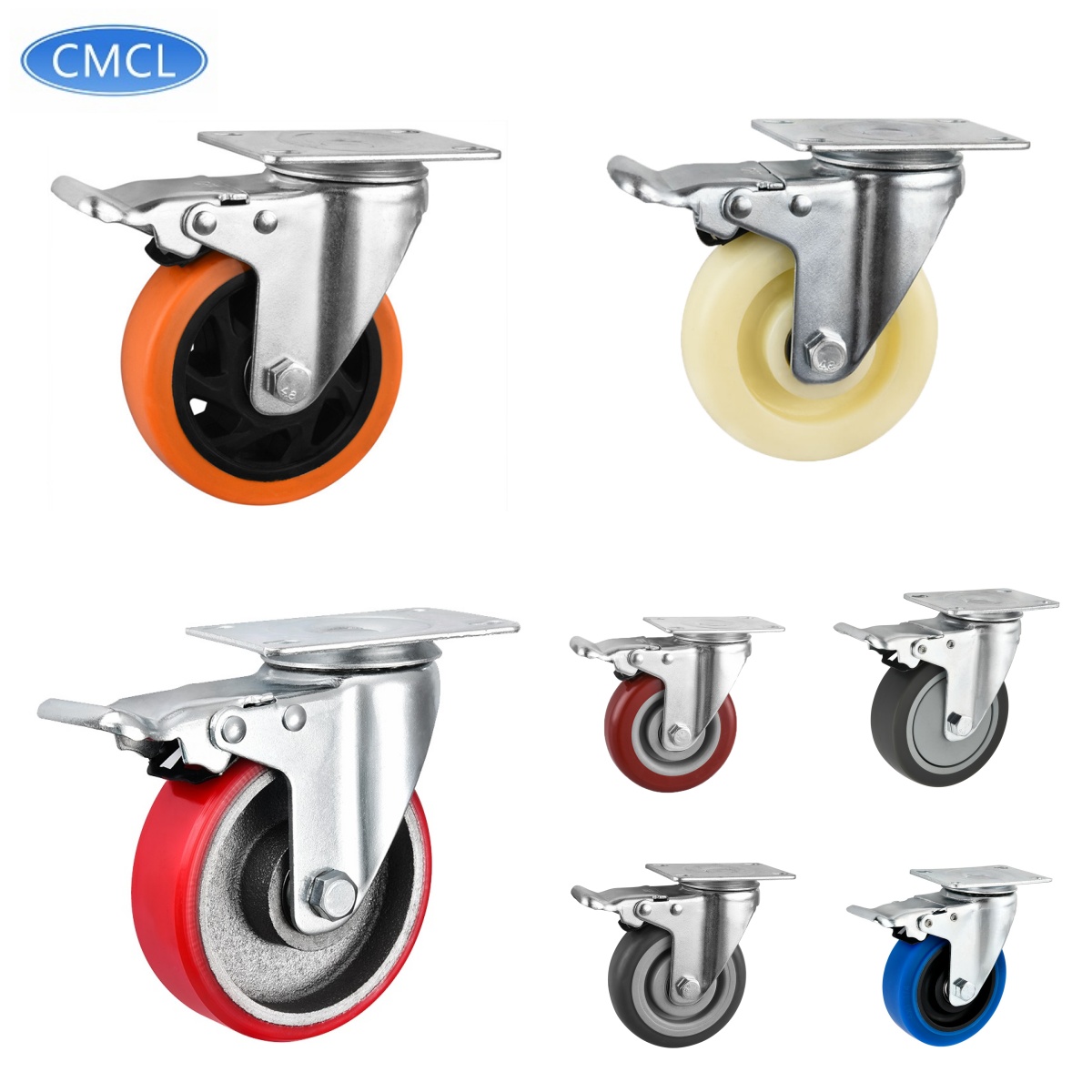
These sturdy 4-inch caster wheels are designed to handle heavy loads with ease, thanks to their robust construction and high-grade materials. The top-quality bearings ensure smooth rolling, reducing friction and wear over time, which makes them ideal for industrial settings or busy commercial environments where durability is a must.
Another standout feature is the precision-engineered tread design, which offers superior grip on various surfaces, from smooth floors to rough terrain. This enhances stability and safety, preventing slips and ensuring reliable performance even when moving bulky items or equipment regularly.
Moreover, these casters come with corrosion-resistant finishes and easy-swivel mechanisms, allowing for effortless maneuverability and long-lasting use without frequent maintenance. Their versatility and resilience make them a go-to choice for applications that demand both strength and smooth operation.
Industrial Applications and Load Capacities Breakdown
In the industrial sector, understanding load capacities isn't just a technical specification—it's the foundation of operational safety and efficiency. From heavy machinery in manufacturing plants to conveyor systems in logistics centers, each component must handle specific weight and stress levels to prevent downtime and ensure a smooth workflow. For instance, in warehousing, load capacities determine how pallets are stacked and moved, impacting everything from storage density to equipment longevity.
A detailed breakdown of load capacities often involves analyzing static versus dynamic loads. Static loads refer to the weight equipment bears when stationary, such as a crane holding materials over a period, while dynamic loads account for movement and vibrations during operation, like a forklift lifting and transporting goods. This distinction helps engineers design systems that can withstand real-world conditions, not just ideal scenarios, reducing the risk of structural failures.
Beyond basic numbers, modern applications integrate sensors and AI-driven analytics to monitor load capacities in real-time, predicting maintenance needs before issues arise. This proactive approach optimizes performance and safety across diverse sectors, from construction to energy, making it a critical consideration in industrial planning and daily operations.
Material Selection for Long-Lasting Wheel Performance
When aiming for wheels that endure harsh conditions over years, the choice of materials plays a pivotal role. High-grade aluminum alloys, such as 6061-T6, are popular for their balance of strength and lightness, but don't overlook forged options for superior durability. By focusing on corrosion-resistant coatings and advanced manufacturing techniques, we can significantly enhance longevity without compromising on style. It's not just about picking a metal; it's about understanding how each component interacts under stress to deliver a smooth, reliable ride season after season.
Beyond traditional alloys, innovations like carbon-fiber composites are pushing boundaries in wheel performance. These materials offer exceptional weight reduction and stiffness, which can contribute to reduced wear and tear on suspension systems and improved handling over time. However, the key lies in selecting the right material blend that withstands environmental factors like moisture and road salts, ensuring your wheels remain pristine and functional long after installation. Thoughtful material engineering transforms ordinary wheels into long-term investments in safety and efficiency.
To truly optimize for durability, consider the synergy between materials and design elements. For instance, wheels crafted from magnesium alloys might provide excellent heat dissipation, preventing warping under heavy loads. Pairing this with precise machining and rigorous testing protocols ensures that every wheel not only meets but exceeds expectations for lifespan. By embracing a holistic approach to material selection, you can achieve wheels that perform reliably, adapt to varying conditions, and maintain their integrity through countless miles, making them a standout choice for discerning drivers.
Maintenance Tips to Extend the Life of Your Wheels
Keeping your wheels in top shape isn't just about looks—it directly impacts how long they'll last and how safely your vehicle performs. Start by regularly cleaning them with a gentle, non-acidic soap to remove brake dust and road grime that can cause corrosion over time. Don't forget to check for any dings or scratches, as small imperfections can lead to bigger issues if left unattended.
Rotating your tires every 6,000 to 8,000 miles helps ensure even wear, which can prevent premature aging and keep your wheels aligned properly. Pair this with maintaining the right tire pressure, as underinflated tires put extra strain on the wheel rims and can lead to cracks. A simple monthly check with a reliable gauge can save you from costly repairs down the road.
Finally, give your wheels a break by avoiding harsh impacts like potholes whenever possible, and consider applying a protective sealant to shield against UV rays and environmental damage. These small habits add up, keeping your wheels rolling smoothly for years to come without breaking the bank.
Comparing 4-Inch Models: Benefits and Cost-Effectiveness
When exploring 4-inch models, it's worth noting how this compact size offers surprising advantages in various contexts, such as smartphones or industrial tools. For instance, smaller devices often provide enhanced portability and easier handling, making them a favorite for users who prioritize convenience without sacrificing essential features. This balance between functionality and size can lead to a more personalized experience, catering to specific needs like one-handed use or limited space.
In terms of cost-effectiveness, 4-inch models frequently present a sweet spot between affordability and performance. They tend to be priced lower than larger alternatives while still delivering reliable capabilities, which can be a smart choice for budget-conscious consumers or businesses looking to scale operations efficiently. By avoiding the premium costs associated with bigger screens or advanced components, these models can offer substantial savings over time, especially when considering maintenance and replacement factors.
Overall, comparing different 4-inch options reveals that the benefits extend beyond mere size, influencing overall user satisfaction and financial decisions. Whether it's for everyday gadgets or specialized equipment, this size category proves that sometimes, less really is more, with cost savings and practical benefits intertwining to create compelling value propositions.
FAQ
In industrial contexts, 'Top Caster Wheels' denote premium-grade casters engineered for heavy-duty use, often featuring robust materials like polyurethane or nylon, enhanced load capacities, and mechanisms to withstand continuous operation on harsh surfaces, distinguishing them from standard variants.
Four-inch wheels strike a balance between maneuverability and stability, offering reduced rolling resistance compared to smaller sizes while being compact enough for navigating tight spaces, making them ideal for equipment like carts, racks, or machinery where efficiency and space constraints are critical.
Factories can enhance durability by selecting wheels with high-quality materials (e.g., heat-resistant polymers), incorporating sealed bearings to prevent debris ingress, performing regular maintenance checks, and customizing designs based on specific floor types and load requirements, as detailed in industry best practices.
Key features include load ratings (typically over 500 lbs per wheel), wheel material suitability (e.g., non-marking or chemical-resistant options), bearing types (like roller or precision ball bearings), and certifications for safety standards, which help ensure reliability in diverse operational environments.
Yes, cost-effective strategies involve bulk purchasing from reputable suppliers, opting for modular designs that allow easy replacement of worn parts, and conducting lifecycle cost analyses to compare initial prices with long-term maintenance savings, thereby optimizing budget while maintaining performance.
Common mistakes include overloading beyond rated capacities, neglecting regular lubrication of bearings, and using incompatible wheel materials for specific floors (e.g., soft wheels on abrasive surfaces). Avoiding these requires adhering to manufacturer guidelines, training staff on proper usage, and scheduling routine inspections to catch issues early.
Conclusion
Selecting the right 4-inch top caster wheels from a reliable factory is pivotal for ensuring equipment durability and operational efficiency in industrial settings. Choosing the right industrial caster wheels involves matching wheel specifications to your equipment's requirements, considering factors such as load capacities and frequent applications in warehouses, factories, or workshops. Essential features of durable wheels, like robust construction and high-quality materials, directly impact performance, with material selection playing a key role in longevity. By integrating these aspects, this guide helps you navigate options that prevent premature wear and enhance safety.
Maintenance tips are crucial for extending wheel life, emphasizing regular checks and proper handling to reduce downtime. Comparing 4-inch models reveals benefits in terms of cost-effectiveness, balancing upfront investment with long-term savings through reduced replacements. This comprehensive approach ensures that your selection not only meets immediate needs but also withstands harsh industrial conditions, providing a reliable solution for heavy-duty applications. Ultimately, informed decisions based on this guide lead to optimized performance and durability in demanding environments.
Contact Us
Contact Person: Ruby
Email: [email protected]
Tel/WhatsApp: +86 13360379367
Website: https://www.cmcl-casters.com