

Best Wheat Flour Mill Guide: Unlock Superior Quality and Efficiency for Your Baking Needs
2026-08-07
Every baker knows that the secret to outstanding bread, pastries, and pasta starts with the flour—but what about the mill behind it? In this guide, we’re pulling back the curtain on wheat flour milling, revealing how the right equipment can elevate your baking from good to exceptional. Whether you’re a small artisan bakery or a large-scale production, achieving consistent quality and peak efficiency isn’t just a dream. With a precision-engineered solution like PINGLE, you can turn every grain into golden potential. Ready to rethink your flour game? Let’s dive in.
Rediscovering Heirloom Wheat Varieties for Distinctive Flavor Profiles
In a world where uniformity often dictates what fills our flour jars, a quiet movement is turning back the clock. Farmers and bakers are digging through seed banks and family plots, resurrecting wheat varieties that were nearly wiped out by the Green Revolution. These aren’t your standard hard red grains bred for industrial mills—each has a story, a specific terroir, and a flavor that commercial wheat simply can’t mimic. Think nutty hints of toasted hazelnut, whispers of caramel, or even a slight floral finish that changes how a simple loaf tastes.
The appeal goes beyond taste. Heirloom wheats like Red Fife, Turkey Red, and Blue Beard Durum bring genetic diversity back to fields dominated by a handful of high-yield cultivars. They often thrive with less synthetic input, developing deeper root systems that forage for nutrients and water. This resilience shapes the grain’s character: the stress of a dry season might concentrate sugars, while a cool spring elongates the gluten network, giving bread a more complex texture. It’s farming that reads the land, not a manual.
But working with these grains demands a shift in mindset. Their lower, less predictable gluten content frustrates industrial bakeries, yet artisan bakers cherish the challenge. They coax out flavor through long ferments, freshly milled flour, and a willingness to accept imperfect rises. The result is bread with a crackling crust and a crumb that tastes alive—earthy, slightly sweet, and carrying the signature of a single field. Rediscovering these wheats isn’t nostalgia; it’s a culinary frontier where flavor reclaims the spotlight.
Precision Milling Techniques That Preserve Nutrients and Texture
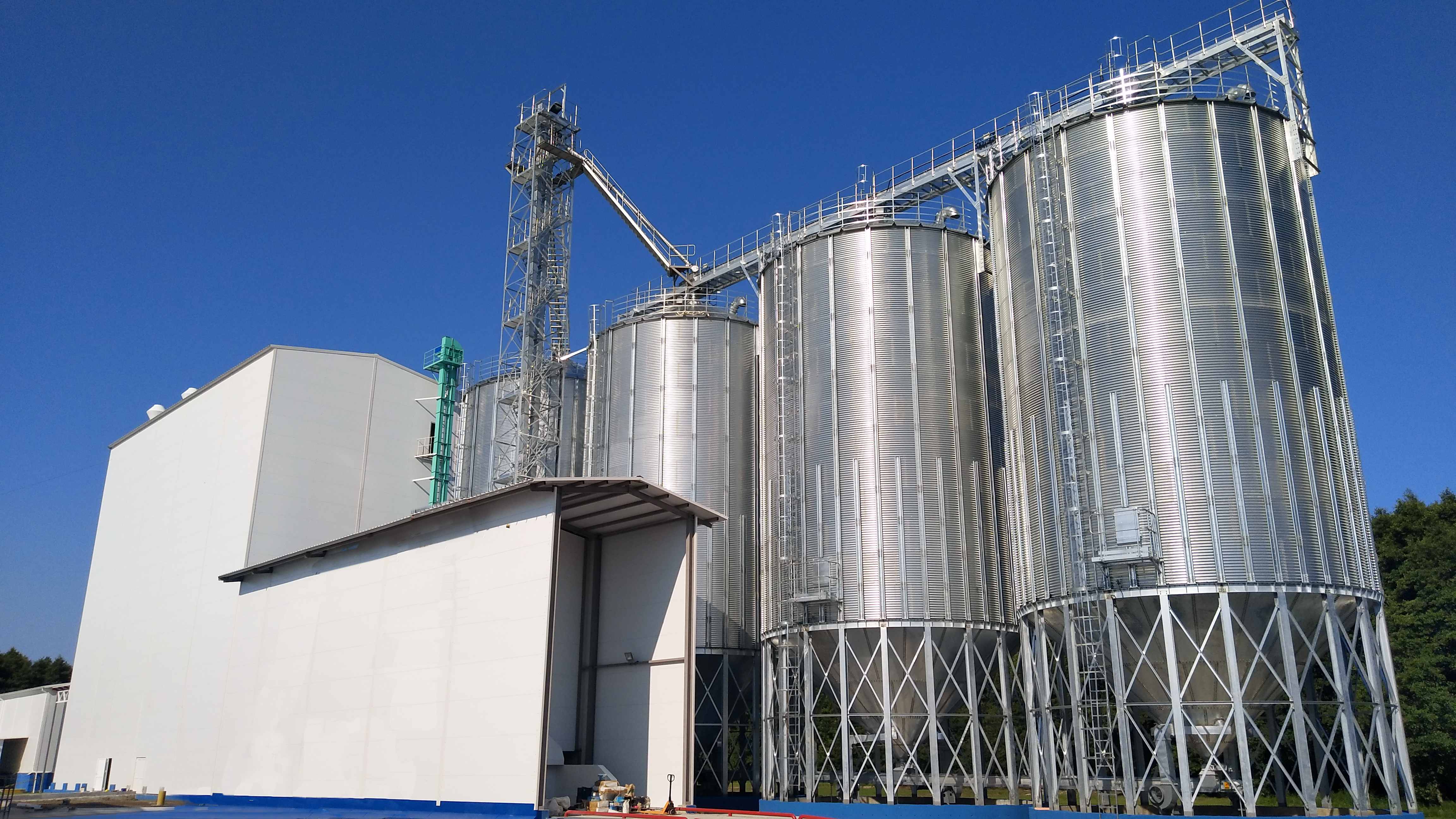
Precision milling takes a delicate approach, operating at controlled speeds and temperatures to prevent the heat buildup that can degrade sensitive vitamins and enzymes. By carefully calibrating the grinding mechanism, the process maintains the grain's natural structure, preserving both its nutritional integrity and the subtle mouthfeel that makes whole foods satisfying.
Unlike conventional methods that often strip away the bran and germ, these refined techniques can selectively mill while keeping the nutrient-rich layers intact. This gentle handling ensures that essential fatty acids, antioxidants, and fiber remain part of the final product, resulting in flours and meals that deliver genuine health benefits without sacrificing the authentic taste and texture of the grain.
The craftsmanship behind precision milling also extends to particle size consistency, which directly influences cooking performance and digestibility. By avoiding over-processing, the natural oils are not over-exposed to oxidation, keeping the flour fresher for longer. This commitment to detail yields ingredients that behave predictably in recipes, offering home cooks and artisans a reliable foundation for creating nutrient-dense dishes.
Tailoring Flour Extraction Rates to Elevate Your Signature Bakes
Flour extraction rate—the percentage of the grain kernel retained after milling—shapes more than just texture; it defines the soul of your bake. A lower extraction yields pure white flour, prized for its delicate crumb in airy croissants or tender sponge cakes, yet it sacrifices the wheat’s deeper, nutty notes. Conversely, high-extraction flour carries more of the bran and germ, imbuing rustic sourdoughs with a complex, almost earthy character and a chewier bite. The art lies in knowing when to let the flour’s raw personality shine and when to refine it into a blank canvas.
Adjusting extraction rates allows you to fine-tune hydration, fermentation, and flavor development. In laminated doughs, a slightly higher extraction can introduce subtle caramel undertones without compromising lamination, while for dark rye breads, a coarse, high-extraction meal creates that unmistakable hearty density. Even within a single bake, blending flours of different extraction rates—say, a 70% extraction for structure and a 90% for flavor bursts—can layer complexity. It’s about intentionality: every percentage point alters how the dough absorbs water, feeds yeast, and ultimately sings on the palate.
Mastering this craft transforms a recipe into a reflection of your style. Start by sourcing flours with transparent extraction specs, then experiment incrementally. Track how a 5% shift changes your brioche’s softness or your baguette’s crackling crust. Over time, you’ll develop an instinct for balancing refinement and rusticity, turning each loaf or pastry into a quiet statement of skill. The goal isn’t to follow a standard but to wield extraction as a tool—making your signature bakes unmistakably yours.
Mastering Stone-Ground Versus Roller-Milled Flours: A Practical Comparison
Working with stone-ground and roller-milled flours feels like two different baking languages. The first time I swapped my usual all-purpose for a locally stone-ground whole wheat, my dough drank up far more water than I anticipated. That’s the thing—stone milling preserves the entire grain kernel, including the germ and the bran, but in a way that’s less uniform, so you get these tiny flecks that absorb moisture unevenly. In contrast, roller-milled flour, with its precisely separated and ground particles, behaves predictably: consistent protein, uniform texture, and a hydration rate you can set your watch to. Neither is better; they just talk to your hands differently. Once you learn their rhythms, you start to decide which one a recipe actually needs, not just which one you grabbed off the shelf.
Flavor is where stone-ground really shows off. Because the oil-rich germ is included, there’s a nutty, almost toasted warmth that comes through, especially in rustic breads and pastries. But that same germ shortens shelf life—stone-ground flour can turn rancid within months if left at room temperature, a non-issue with most roller-milled white flours that have been stripped of the germ for stability. I keep my stone-ground rye and spelt in the freezer for this reason. When I’m developing a recipe, I ask myself: am I after a clean, airy crumb or a dense, characterful loaf? Roller-milling gives you the former effortlessly; stone-ground demands a bit more patience but rewards you with aroma and texture that commercial flours rarely match.
In the end, it’s not about choosing one side permanently. I’ve found a hybrid approach often works best, like using a strong roller-milled bread flour as the base and folding in a smaller portion of stone-ground whole grain for complexity. This lets you keep the structure and rise while still tapping into the deeper flavor notes. Over time, you’ll instinctively know when a dough can handle the extra bran and when it will just tear the gluten network. That’s the practical mastery—not learning facts off a chart, but developing a feel for how each flour behaves under your fingertips.
Optimizing Storage and Freshness to Extend Flour’s Peak Performance
Flour may sit quietly in your pantry, but it's surprisingly sensitive to its surroundings. Exposure to warmth, humidity, or strong odors can quietly erode its quality, leading to off flavors, poor rise, or even pest infestations. The key to preserving that just-milled vitality lies in creating a stable, cool, and dry microclimate—think airtight containers tucked away from the stove or dishwasher, where temperatures stay consistently below 75°F. Moving flour out of its original paper bag isn't just about tidiness; it's a frontline defense against moisture and pantry moths. Even a slight shift in storage habits can mean the difference between a reliably lofty sourdough and a dense disappointment.
Temperature control works hand in hand with moisture management. Whole grain flours, with their higher oil content, are especially prone to rancidity, turning bitter and losing nutritional punch within weeks if left in a warm cabinet. Freezing or refrigerating these flours dramatically extends their prime, but the real trick is in letting them return to room temperature before you open the container—this prevents condensation from turning your flour into a clumpy mess. For refined flours, a cool pantry is often sufficient, though a sealed bin with a bay leaf tucked inside offers a quiet, old-school barrier against insects. It's these small rituals, passed down through generations of bakers, that keep flour performing at its peak long past its printed date.
Freshness isn't just about avoiding spoilage; it's about harnessing flour's full potential. A quick sniff can reveal a lot: nutty and clean means it's ready to work, while a musty or crayon-like odor signals decline. Even the way flour pours—loose and airy rather than caked—hints at its condition. Using a first-in, first-out rotation ensures your oldest stock gets baked first, and sharing excess with fellow bakers before it fades transforms a simple storage habit into a community spark. Ultimately, preserving flour's vitality is less about rigid rules and more about cultivating an intuitive, attentive relationship with an ingredient that rewards careful handling with every batch.
Translating Flour Characteristics into Consistent, Artisan-Level Results
Flour is far more than just a powdery ingredient—it’s a living, variable substance shaped by wheat variety, growing conditions, and milling technique. Its protein content, ash level, enzymatic activity, and water absorption capacity can shift from batch to batch, tugging your dough in unpredictable directions. The trick is to stop fighting these quirks and start reading them. Watch how the dough feels under your hands: is it tight and elastic, or slack and sticky? That tactile feedback tells you more than any spec sheet. Adjust your hydration gradually, letting the flour fully hydrate before making snap judgments. Record not just what you did but how the dough behaved—over time, patterns emerge that let you anticipate adjustments before the first mix.
Consistency doesn’t come from rigid formulas—it comes from flexible technique paired with deep observation. Instead of chasing the exact same dough texture every bake, aim for the same outcome. A flour with higher enzymatic activity, for instance, might race through fermentation, demanding a cooler dough temperature or a shorter bulk proof to keep the final crumb open and the crust properly colored. Ash content, often overlooked, influences flavor and fermentation speed dramatically; a flour milled closer to the bran carries more minerals that buffer acidity and feed yeast, so you might tweak the levain percentage or proofing rhythm. Small, intentional adjustments—extra folds, a slight shift in timing—can steer any flour toward that elusive artisan open crumb and blistered crust.
In the end, mastering flour is about embracing variability as a feature, not a flaw. Treat each bag as a new conversation: your job is to listen and respond, not dictate. Pre-ferments like poolish or biga can bridge gaps in strength or flavor when a flour falls short, while an autolyse of varying lengths can compensate for protein differences without overworking the dough. Keep your process fluid, your senses sharp, and your ego in check—artisan baking is less about perfection and more about harmony between baker and grain.
FAQ
Focus on the grinding mechanism first. Stone mills tend to preserve more of the wheat's natural oils and nutrients because they operate at lower temperatures, which can enhance flavor in artisan loaves. Metal burr mills, on the other hand, offer a wider range of coarseness settings and are often more durable. You'll also want a motor that doesn't overheat during extended use, easy adjustment for fine to coarse grinds, and a design that minimizes flour dust escaping into your kitchen.
Stone mills crush the grain slowly, producing a flour that includes the germ and bran in a more integrated way. This gives you a slightly coarser texture and a nuttier, more complex flavor profile that's perfect for rustic breads. Impact mills spin at high speeds and generate heat, which can strip some volatile aromas, but they create an ultra-fine, consistent flour that's excellent for delicate pastries and cakes. It really comes down to what you bake most often.
Yes, absolutely. Many compact countertop models now rival commercial-grade output in terms of consistency. The key is to choose a mill with hardened steel burrs rather than basic stamped metal. Feed the grain slowly and take the time to dial in the setting—rushing the process leads to uneven particle sizes. A well-designed home mill can produce flour as fine as any store-bought bag, often with the added benefit of freshness you can taste.
Regular cleaning is non-negotiable. After each use, run a small amount of dry rice or special grinding cleaner through the mill to absorb oil residue from the wheat and clear out trapped particles. Never wash the burrs with water unless the manual specifically says it's safe. Once a month, check the burr alignment and tighten any loose screws. Store the mill in a dry place, and if you won't use it for a while, coat the burrs lightly with food-grade mineral oil to prevent rust.
Freshly milled flour contains the wheat germ, which is full of oils that start to oxidize within hours of grinding. That means your baked goods get a vivid, almost sweet, wheaty taste that simply doesn't exist in aged commercial flour. For bread, you'll notice a moister crumb and a more pronounced crust. Pastries become flakier because the natural fats haven't degraded. The difference is so striking that many bakers say it's the single biggest upgrade they've made.
Definitely. Hard wheats, like red winter or durum, have a very tough kernel. They're handled best by a mill with strong, slow-turning stone or a robust metal burr system that can crack them without overheating. Soft white wheat, ideal for pastries, mills easily in almost any grinder, including high-speed impact mills. If you enjoy experimenting, einkorn and spelt are ancient grains with a delicate structure; they shine in a low-RPM stone mill that keeps their fragile flavor compounds intact.
Overheat protection is a must—the motor should shut off automatically if it gets too hot, preventing fires and saving the grain from scorching. Look for a safety lock that stops the mill from operating when the hopper is open or removed. A sturdy, non-slip base keeps the unit stable on the counter. And while it's often overlooked, a well-sealed grain input and flour output channel dramatically cuts down on airborne dust, which can be both a respiratory irritant and a mess.
Slower milling speeds, typically under 100 RPM in stone mills, generate very little heat. That preserves the wheat's natural enzymes and oils, leading to better dough development and richer flavor. Faster mills, especially those above 10,000 RPM, can warm the flour enough to partially denature some proteins, which may weaken gluten structure and yield denser loaves. For most home bakers, a medium-speed mill strikes a good balance between convenience and preserving flour integrity, but for peak quality, low and slow is the rule of thumb.
Conclusion
Unlocking superior quality in flour milling starts with the grain itself. By rediscovering heirloom wheat varieties, bakers can access distinctive flavor profiles that modern hybrids often lack. Precision milling techniques then ensure that these flavors, along with vital nutrients and desired textures, are preserved rather than stripped away. Adjusting flour extraction rates further allows you to tailor performance for specific bakes—whether you need a high-extraction flour for rustic bread or a refined one for delicate pastries. This intentional approach not only elevates taste but also boosts efficiency by aligning each flour with its intended purpose.
Choosing between stone-ground and roller-milled flours demands a practical understanding of their impact on dough development and final crumb. While stone grinding retains more germ and bran for robust character, roller milling offers consistency and finer texture. Beyond milling, proper storage in cool, dry conditions extends peak freshness, preserving enzymatic activity and preventing rancidity. Ultimately, translating these nuanced flour characteristics into reliable baking requires careful observation and adjustment, bridging the gap between raw ingredient and artisan-level results. This guide empowers you to turn that knowledge into everyday mastery.
Contact Us
Contact Person: Jiakuo Wu
Email: [email protected]
Tel/WhatsApp: +86-13011566087
Website: https://www.pinglemachine.com