

Bulk Micronized Dipentaerythritol: What It Is and Why It Matters
2026-07-07
Behind countless flame-retardant coatings, intumescent systems, and high-performance lubricants lies an unsung hero: bulk micronized dipentaerythritol. This ultra-fine powder may not grab headlines, but its role in elevating product safety and durability is impossible to ignore. With its enhanced dispersion and reactivity, it’s quietly reshaping formulations across industries. Exploring what it is and why it truly matters reveals how suppliers like X.X.F.R are driving innovation—and why your next project might depend on it.
The Essentials of Micronized Dipentaerythritol
Micronized dipentaerythritol stands out as a high-purity, finely ground polyol that forms the backbone of numerous advanced industrial formulations. Its distinctive molecular structure—comprising two pentaerythritol units linked by an ether bond—provides exceptional thermal stability and a high hydroxyl content, making it indispensable for demanding applications. The micronization process refines the particle size to a consistent, ultrafine distribution, which dramatically improves handling, dispersion, and reactivity in downstream processes.
Beyond its chemical identity, what truly sets this material apart is the precision of its particle engineering. A tightly controlled size range, often below 20 microns, minimizes dusting while enhancing the surface area available for reaction. This translates into faster incorporation into polymer matrices, more uniform crosslinking in coatings, and smoother finishes in intumescent fireproofing systems. Purity levels typically exceed 98%, ensuring minimal interference from oligomers or residual catalysts that could compromise end-product performance.
The practical impact of micronized dipentaerythritol is felt across multiple sectors. In flame retardant coatings, it serves as a carbonific source, driving char formation that insulates substrates during fire exposure. Polyurethane and alkyd resin manufacturers value it for improving hardness, weatherability, and chemical resistance without sacrificing flexibility. Even in niche areas like synthetic lubricants or radiation-curable inks, its ability to boost crosslink density while maintaining low viscosity at high loadings proves transformative. The micronized form closes the gap between laboratory potential and real-world efficiency, offering a reliable, ready-to-use solution that accelerates production and elevates product quality.
How Fine Grinding Transforms Its Performance
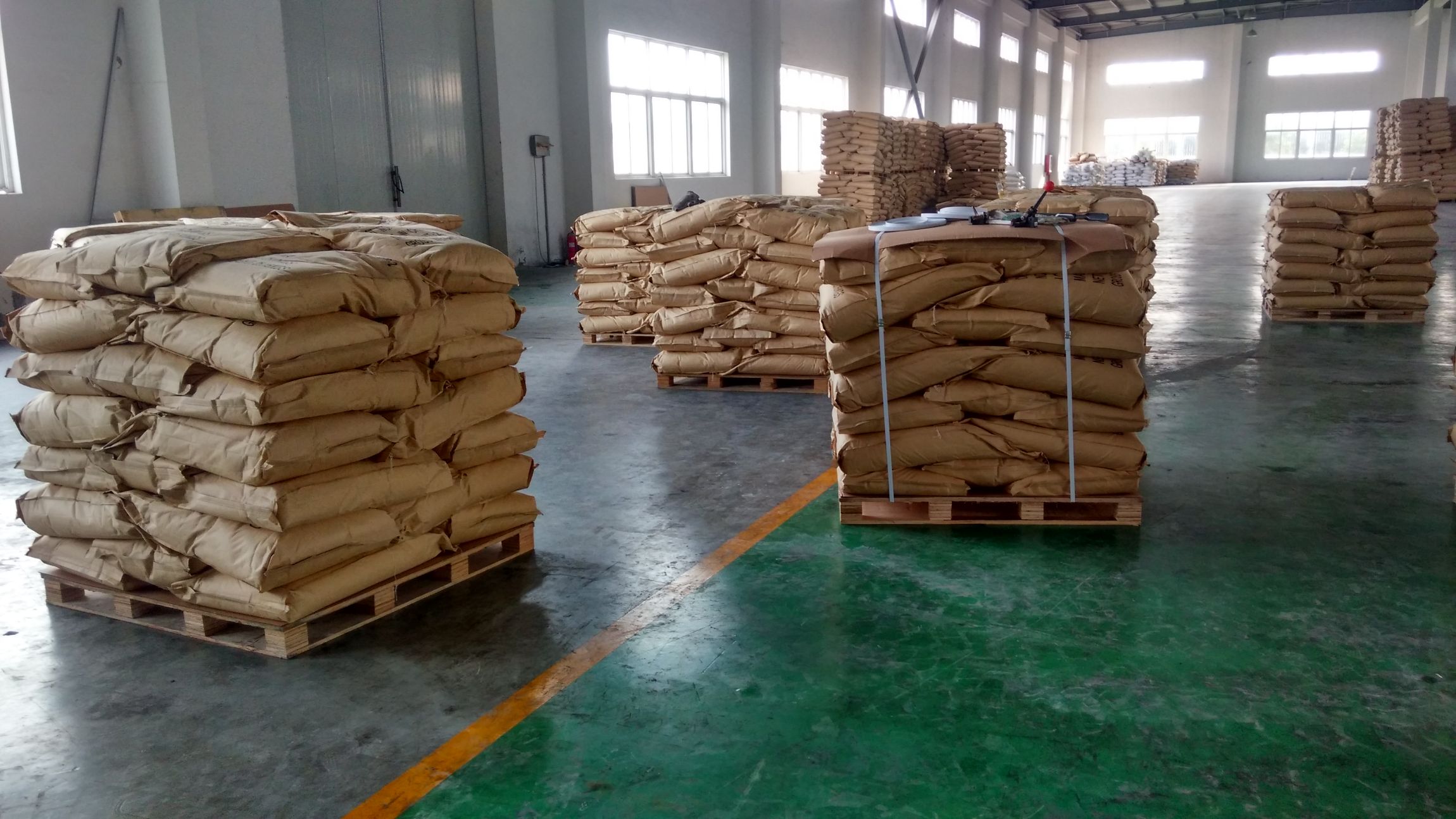
Fine grinding isn’t just about making particles smaller—it reshapes how a material behaves under real-world conditions. Take cement, for instance. When clinker is ground to an ultra-fine powder, its surface area explodes, exposing far more reactive sites. This means water penetrates more thoroughly during mixing, kickstarting hydration reactions that would otherwise lie dormant. The result? Faster strength development and a denser final microstructure. But it’s not a linear improvement: over-grinding can lead to particle agglomeration and higher water demand, which can actually weaken the final product. The sweet spot lies in balancing surface area with particle size distribution, ensuring each grain contributes meaningfully to the overall matrix.
In the field of industrial minerals, fine grinding unlocks performance attributes that raw ores simply can’t offer. Consider calcium carbonate used in paints: a coarser grade might settle out or create a gritty finish, while a finely ground variant stays suspended and delivers consistent opacity. The transformation isn’t just about smoothness—it’s about reactivity and coverage. With smaller particles, you get tighter packing, which means fewer voids and a more protective film on the coated surface. This shift can mean the difference between a coating that fails after two years and one that endures a decade of weather. Even in pharmaceuticals, grinding a drug to the micron level can dramatically alter its dissolution rate in the body, turning a slow, unreliable compound into a fast-acting therapeutic.
Energy input is where the real magic—and risk—happens. Too little, and you’re left with coarse, inconsistent output. Too much, and you’re wasting power while potentially amorphizing the material’s crystal structure, which can compromise its chemical stability. Modern fine grinding techniques, like stirred media mills, exploit high-frequency impacts and shear forces to steadily break down particles without excessive heat buildup. They allow precise control over the final particle shape as well—rounded edges flow better, while fractured surfaces may bond more aggressively in composites. This nuanced control means producers can tailor a single raw material for entirely different markets: one batch optimized for high-gloss paper coatings, another for robust construction adhesives. What’s often overlooked is that fine grinding doesn’t just change size; it fundamentally rewrites how a material interacts with its environment, from light scattering to chemical bonding.
Beyond Standard Dipentaerythritol: What Changes
Standard dipentaerythritol has long served as a reliable building block in alkyd resins, lubricants, and explosives, but its rigid tetrahedral core imposes limits on solubility, reactivity, and thermal stability. When formulations push into extreme environments or demand faster cure profiles, basic dipentaerythritol often falls short, unable to deliver the tailored branching or functional density that advanced coatings, high-performance polymers, and specialty esters require. This creates a clear need to move beyond the off-the-shelf molecule.
Shifting the molecular architecture introduces striking differences. Replacing hydroxyl groups with longer-chain fatty acids or incorporating cyclic moieties can drastically lower viscosity and improve pigment wetting, while partial etherification or esterification with renewable acids dramatically shifts the hydrophile-lipophile balance. Even subtle tweaks—like branching on the neopentyl backbone or adjusting the degree of alkoxylation—can push the melt point up or down by more than 40°C, unlocking processability windows that standard dipentaerythritol simply cannot reach.
These structural modifications open doors far beyond traditional domains. In UV-curable resins, a dipentaerythritol hexaacrylate with precisely controlled ethoxylation reduces film shrinkage without sacrificing crosslink density. In polyurethane foams, a partially transesterified derivative acts as a reactive flame retardant while contributing to the polymer network, avoiding plasticizer migration. Ultimately, moving past the standard molecule allows formulators to treat the polyol core not as a fixed commodity, but as a tunable scaffold for bespoke performance.
Where It Shines: Key Applications
From real-time language translation to debugging code in seconds, its ability to process nuanced instructions makes it a natural fit for creative and technical workflows alike. Writers lean on it to break through blocks, while developers tap into its knack for generating boilerplate logic almost instantly.
Customer support teams have quietly adopted it as a first-response layer, handling repetitive queries with a tone that can be dialed from casual to formal. Analysts feed it raw data and get digested summaries, turning hours of spreadsheet wrangling into a quick conversation.
Startups use it to prototype chatbots that actually understand user intent, and teachers create adaptive quiz banks that feel less robotic. Even chefs have experimented with ingredient-driven recipe generation, proving that the real power isn't in mimicking answers—it's in reshaping how we tackle the unpolished edges of daily tasks.
Bulk Buying: Advantages for Industrial Users
For industrial operations, buying materials or components in large volumes isn’t just about getting a lower price per unit—it fundamentally reshapes your cost structure. When you commit to bulk orders, suppliers typically offer tiered discounts that can slash 15–30% off standard rates. That margin improvement feeds directly into your bottom line, making it easier to forecast budgets and absorb fluctuations in other operational expenses. Over a fiscal year, these savings accumulate into significant working capital you can redirect toward equipment upgrades, R&D, or expanding your workforce.
Beyond the invoice, bulk purchasing creates a buffer against supply chain disruptions. Holding deeper inventory means you’re less vulnerable to lead-time spikes, raw material shortages, or sudden demand surges. Instead of scrambling to cover a production gap, your line keeps moving—avoiding costly downtime that can easily eclipse the initial savings from smaller, just-in-time orders. It also reduces the administrative drain of processing frequent purchase orders, negotiating spot rates, and managing multiple deliveries, freeing your procurement team to focus on strategic sourcing.
Consistency is another quiet advantage. When you source large lots from a single supplier, you minimize variation in material grades, coatings, or dimensions that can creep in when buying piecemeal from different sources. That uniformity streamlines quality control and reduces rework, directly supporting tighter tolerances and higher output yields. Over time, this repeated, high-volume relationship often earns you preferred treatment—priority access during shortages, first looks at new products, and input into custom formulations or packaging that better suit your production workflow.
Looking Ahead: Innovation and Demand
As markets shift and consumer expectations evolve, the intersection of fresh thinking and genuine need will define the next wave of growth. Companies that resist the temptation to chase every shiny object and instead focus on solving unspoken problems will find themselves not just keeping pace but setting the rhythm. The road ahead isn’t about predicting the future from a desk—it’s about building cheaper, faster ways to test which ideas actually create lasting demand before committing fully.
Real innovation rarely announces itself with fanfare. It emerges quietly at the edges of ignored user frustrations or overlooked process bottlenecks, growing into something indispensable. The challenge lies in nurturing a culture where small, daring bets are encouraged and failure is treated as a directional signal rather than a stop sign. This mentality fuels a different kind of pipeline—one fed by curiosity and disciplined experimentation, not just quarterly targets.
Sustainable demand is no longer a matter of shouting louder in crowded channels. It now hinges on crafting experiences so intuitively useful that they become everyday habits. Looking forward, the leaders will be those who turn complexity into clarity, transforming raw ingenuity into solutions people didn’t realize they couldn’t live without. The real opportunity isn’t just in meeting demand—it’s in shaping it from the ground up.
FAQ
It's a finely ground form of dipentaerythritol, a polyhydric alcohol used as a chemical intermediate. The micronization process reduces particle size to improve dispersibility and reactivity, making it especially useful in industrial applications where consistency matters.
Micronizing creates a finer, more uniform powder that flows better and mixes more easily with other materials. This reduces clumping and dusting during production, leading to smoother manufacturing processes.
The finer particles dissolve faster and disperse evenly, which can speed up reaction times and improve product quality. It's particularly valued in high-performance coatings and adhesives where surface finish and durability are critical.
You'll find it heavily used in alkyd resin production for paints and varnishes, in radiation-curable coatings, and as a building block for high-temperature lubricants and plasticizers. It also appears in certain polyurethane and polyester resin formulations.
Like many fine powders, it can absorb moisture from the air, which may lead to caking. Keeping it in sealed containers in a cool, dry environment is key. Despite that, its chemical stability is excellent, so shelf life isn't a major worry if stored properly.
It contributes to higher crosslink density, which boosts hardness and chemical resistance. In UV-curable systems, it helps achieve faster curing and improves the overall durability of the finished coating.
Dipentaerythritol has a higher hydroxyl functionality and a more complex molecular structure, which translates to better thermal stability and enhanced mechanical properties in end products. The micronized version amplifies these advantages by ensuring better incorporation.
Conclusion
Bulk micronized dipentaerythritol represents a refined form of a specialty polyol, where precise mechanical grinding reduces particle size to the micron scale, dramatically altering its physical and functional properties. This size reduction amplifies surface area, enabling faster dissolution, superior dispersion, and enhanced reactivity in formulations. The transition from standard dipentaerythritol to its micronized counterpart unlocks improved flow characteristics and packing density, which are critical for high-performance coatings, lubricants, and resin systems. Industrially, sourcing this material in bulk translates into streamlined logistics, reduced unit costs, and consistent quality across large-scale production runs, making it an economically compelling choice for manufacturers who require uniform delivery of performance additives without the variability of smaller batches.
The true value of micronized dipentaerythritol becomes evident in its practical applications—from boosting the durability of alkyd resins and radiation-curing monomers to serving as a flame-retardant synergist and a building block for synthetic lubricants. Its fine particle profile minimizes sedimentation and optimizes the efficiency of downstream chemical processes, fostering innovations in environmentally friendly coating technologies and high-solids formulations. As industry pivots toward sustainable and high-efficiency materials, the demand for micronized grades is set to climb, supported by advances in grinding technologies and deeper integration into emerging sectors like powder coatings and 3D printing resins. In essence, this material embodies how a physical transformation—bulk micronization—can redefine a chemical’s commercial and technical relevance, ensuring it meets the evolving needs of modern industrial chemistry.
Contact Us
Contact Person: Guohua Wang
Email: [email protected]
Tel/WhatsApp: 8613003442895
Website: https://www.xxflameretard.com