

Carbon-Based Soil Conditioners: Revolutionizing Soil Health for Greener Growth
2026-08-11
What if the secret to healthier crops and a greener planet lies right beneath our feet? Carbon-based soil conditioners are rewriting the rules of agriculture, boosting soil health in ways we never thought possible. Tundrr is leading this underground revolution, transforming cutting-edge science into practical, sustainable solutions. Get ready to dig into a new era of growth—where every handful of soil holds the promise of a greener future.
Why Carbon Holds the Key to Living Soil
Soil that breathes, crumbles easily in your hand, and smells faintly sweet after rain—that’s living soil, and at the center of it all is carbon. It’s not just dead plant matter sitting there; it’s a dynamic, energy-rich currency that feeds an invisible workforce. Every root hair, every earthworm cast, every strand of fungal network depends on carbon compounds to build structure, store water, and exchange nutrients. Without a steady carbon supply, that underground world collapses into lifeless mineral dust, no matter how much fertilizer you pour on top.
What makes carbon truly pivotal is the way it glues the whole system together. Those tiny, sponge-like clumps of soil—aggregates—form when microbes feast on carbon exudates from roots and weave mineral particles into stable homes. Inside these aggregates, organic matter is shielded from rapid decay, creating a slow-release pantry of nutrients. Plus, a single teaspoon of carbon-rich soil can host more microorganisms than there are people on Earth, each one playing a role in turning raw elements into plant-available forms. That’s why building soil carbon isn’t some abstract metric—it’s the most practical, self-renewing foundation for resilient land.
From Degraded Dirt to Thriving Earth
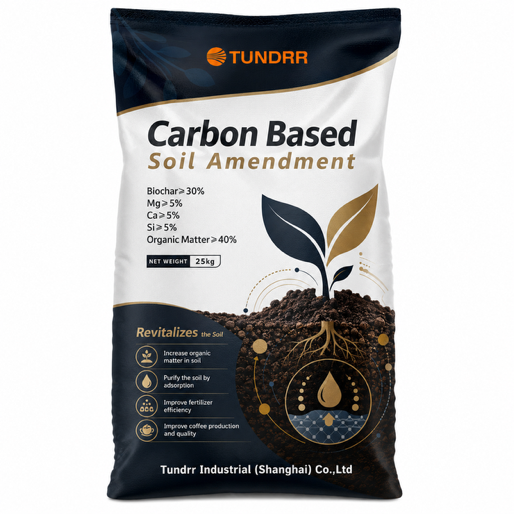
Soil degradation often starts silently—overgrazing strips away protective vegetation, intensive farming depletes organic matter, and erosion carries off the fertile top layer. Left unattended, the land turns to dust, unable to hold water or sustain life. But this decline is not irreversible. The first step toward restoration lies in understanding the unique character of the damaged soil: its texture, remnants of microbial life, and the historical footprint of its misuse.
Bringing degraded dirt back to life requires a blend of patience and deliberate intervention. Practices like cover cropping, no-till farming, and the addition of compost reintroduce structure and nutrients. Deep-rooted native plants can break compacted layers, while carefully managed grazing allows the land to recover. Water infiltration slowly improves, and a living, breathing underground ecosystem re-emerges, locking carbon into the ground and setting the stage for larger-scale renewal.
As the soil heals, the transformation becomes visible above ground. Barren patches give way to grasslands, shrubs take hold, and eventually trees may return. Wildlife follows the green corridor, and local climates soften due to increased moisture retention. Thriving earth doesn’t just sustain plants—it anchors entire communities, offering food security, flood control, and resilience against droughts. The journey from degraded dirt to a vibrant, life-supporting crust is a testament to nature’s tenacity when we offer a helping hand.
How Biochar and Humic Substances Work in Unison
Biochar and humic substances complement each other in soil by bridging physical structure with chemical reactivity. Porous biochar creates lasting habitat for microbes and retention sites for water and nutrients, while humic compounds coat these surfaces, enhancing cation exchange and chelating micronutrients. Together, they form a dynamic matrix where humic acids can slowly desorb from the char, providing a steady release of organic carbon that fuels microbial activity and improves nutrient availability over time.
In the rhizosphere, the synergy becomes particularly evident. Biochar’s high surface area adsorbs root exudates and humic molecules, concentrating beneficial signals that stimulate plant growth and stress tolerance. Humic substances, in turn, can penetrate char pores and alter surface chemistry, increasing the char’s ability to hold onto ammonium, potassium, and trace elements. This partnership reduces leaching losses while ensuring that nutrients remain accessible rather than locked away, a balance rarely achieved by either amendment alone.
The combined effect also transforms soil aggregation and water dynamics. Fresh biochar can initially repel water, but humic substances coat hydrophobic surfaces, gradually improving wettability. As humic-stabilized microaggregates form around char particles, pore networks become more diverse, supporting capillary rise during dry periods and drainage during heavy rains. This structural evolution sustains aerobic conditions around the char, preventing it from becoming a sink for methane or other undesirable compounds, while the humic phase continues to buffer pH and detoxify heavy metals through complexation.
Microscopic Allies: The Hidden Biology of Carbon Amendments
Beneath our feet, a quiet revolution unfolds each time we add carbon-rich materials to soil. Far from being inert, these amendments awaken a teeming world of microscopic allies—bacteria, fungi, and protozoa—that reshape the soil's very fabric. The true magic lies not just in the carbon itself, but in the cascading biological reactions it triggers, from enzyme secretions that release locked nutrients to the building of intricate hyphal networks that stabilize soil structure. This hidden biology transforms lifeless dirt into a living, breathing ecosystem that sustains plant life in ways we are only beginning to comprehend.
As bacteria and fungi metabolize these carbon amendments, they produce a sticky, glue-like substance known as extracellular polymeric substances (EPS). This biological glue acts like a scaffold, binding soil particles into stable aggregates that improve porosity and water infiltration. Meanwhile, the fungal hyphae physically enmesh soil crumbs, forming a resilient underground architecture that resists erosion and compaction. It is a symbiotic dance: the microbes gain energy from the added carbon, and in return, they engineer a habitat that benefits plant roots and a host of other organisms. The result is a self-regulating soil matrix where carbon, biology, and structure become inseparable.
Perhaps most remarkable is the role these microscopic allies play in plant resilience. Specific communities of microbes, fueled by carbon amendments, can outcompete pathogens for space and resources, effectively arming plants against disease. At the same time, they help plants cope with drought by enhancing water retention deep within the soil profile. This biological fortification, often overlooked, highlights how carbon amendments are not merely a soil conditioner—they are an invitation to a hidden workforce that quietly orchestrates the vitality of entire landscapes.
Water, Nutrients, and Carbon: A Sustainable Cycle
Life on Earth leans on a quiet, endless dance between water, nutrients, and carbon. Rain seeps into the soil, nudging minerals from weathered rock and decayed life into streams and roots. Plants pull carbon dioxide from the air, using sunlight to stitch it into sugars, while releasing water vapor back into the sky. This exchange doesn’t shout for attention—it simply hums along, shaping forests, fields, and the very breath of the planet.
Below ground, a hidden community of fungi and microbes threads through the dirt, trading nutrients for carbon-rich exudates from plant roots. A fallen leaf isn’t waste; it’s a slow-release packet of carbon and nitrogen, broken down and carried forward by a chain of tiny decomposers. When we interrupt these loops—by stripping soil bare or flushing nutrients downstream—we break a rhythm that has sustained ecosystems for millennia. Restoring it means returning organic matter to the land, letting wetlands filter water, and allowing carbon to settle back where it belongs.
A truly sustainable cycle doesn’t treat water, nutrients, and carbon as separate resources to manage, but as strands of one braided system. Rain tanks, compost heaps, and cover crops aren’t just tools—they’re small acts of mending the frayed connections. When a farmer plants a hedgerow, carbon anchors in woody stems, runoff slows, and the soil’s nutrient pulse steadies. In a home garden, mulching keeps moisture in, feeds the underground web, and draws carbon downwards. These everyday choices mirror larger natural patterns, reminding us that the cycle’s health isn’t about heroic intervention but about aligning with flows that already work, without waste, without hurry.
Field Tested: Real Stories of Regeneration
Across the sun-scorched plains of northern Kenya, pastoralist communities are reviving ancient land management techniques to bring degraded rangelands back to life. By rotating livestock herds and reseeding native grasses, they’ve seen gullied earth transform into verdant pasture within a few rainy seasons—no chemical inputs, no expensive machinery, just a deep understanding of local ecosystems passed down through generations.
In the foothills of the Andes, a cooperative of smallholder farmers ditched monocropping for a mosaic of indigenous potatoes, quinoa, and nitrogen-fixing lupines. The result? Soils that once crumbled to dust now hold moisture through drought, and families who relied on food aid are supplying organic markets in nearby cities. Their secret was pairing traditional crop rotations with simple water-harvesting swales dug by hand.
On a defunct industrial site in the Ruhr Valley, a community-led project turned contaminated soil into a thriving food forest. Using biochar made from invasive shrubs and layers of compost, they rebuilt the soil food web in just three years. Now, neighbors gather under chestnut trees to harvest herbs and fruits, while municipal officials take notes for their own post-industrial regeneration plans.
FAQ
They work by binding soil particles into stable aggregates, which increases pore space for air and water. This creates a crumbly texture that roots can easily penetrate.
Absolutely. The porous nature of carbon-rich materials acts like a sponge, holding moisture that would otherwise drain away. Farmers often see a noticeable reduction in irrigation needs.
Yes, because carbon compounds don't break down quickly. They persist in the soil, feeding microbes and slowly releasing nutrients. Over time, you'll notice earthworm activity and a darker, richer topsoil.
Carbon-based conditioners are typically more concentrated and stable. They're processed to have a high surface area and consistent quality, whereas manure can vary and may carry weed seeds or pathogens.
Many large farms are adopting them because they can be applied with standard spreaders. The cost is offset by reduced fertilizer and water usage, plus yield improvements in the long run.
They tend to buffer pH, bringing overly acidic or alkaline soils closer to neutral. This happens as the carbon material interacts with soil chemistry over months.
Definitely. You can mix granular carbon-based conditioner into potting soil or top-dress garden beds. It helps prevent compaction and keeps containers from drying out too fast.
By enhancing soil's ability to sequester carbon from the atmosphere, they play a role in climate mitigation. Healthier soils also require fewer chemical inputs, reducing runoff and pollution.
Conclusion
Carbon-based soil conditioners are reshaping how we think about soil health, moving beyond simple fertility toward creating truly living ecosystems underground. Carbon isn’t just a component of organic matter; it’s the backbone of soil structure, microbial life, and nutrient exchange. When soils lose carbon, they collapse into degraded dirt, but by reintroducing stabilized forms like biochar and humic substances, we can trigger a remarkable transformation. These materials work in concert: biochar provides a long-lasting porous matrix that shelters microbes and holds water, while humic acids from decomposed plant matter enhance nutrient chelation and stimulate root development. Together, they rebuild the soil’s physical and chemical foundation, turning barren fields into thriving, resilient earth.
What happens beneath the surface is equally compelling. Carbon amendments fuel a hidden army of microorganisms—bacteria, fungi, and protozoa—that drive the soil food web. These microscopic allies break down organic inputs, fix nitrogen, and create symbiotic relationships with plant roots, effectively extending the plant’s reach for water and nutrients. This synergy creates a sustainable cycle: better water retention reduces irrigation needs, improved nutrient availability cuts fertilizer dependency, and enhanced carbon sequestration mitigates climate stress. Field tests from farms worldwide confirm these benefits, with stories of once-depleted lands now producing robust crops year after year. The message is clear: carbon isn’t just an additive; it’s the catalyst for a living soil revolution that yields greener, more sustainable growth.
Contact Us
Contact Person: Ellen Zhang
Email: [email protected]
Tel/WhatsApp: +86(21) 2287 6756
Website: https://www.tundrr.com/en/