

China Water Chiller: Essential Guide to Industrial Cooling Solutions
2026-10-21
Industrial cooling isn't just about preventing meltdowns—it's about keeping your production line moving without costly pauses. As China solidifies its position as the world's go-to source for water chillers, the real challenge is filtering out the hype. Whether you're running a plastics plant, a laser cutter, or a food processing line, getting the right chiller can mean the difference between smooth output and unexpected downtime. This guide breaks down what to look for in a modern industrial chiller—and why shairko has become a benchmark for the kind of performance and longevity you can't afford to ignore.
What Actually Separates a Reliable Water Chiller from a Disposable One
Most budget chillers share the same fatal flaw: they treat the condenser like an afterthought. A reliable unit uses a brazed plate or shell-and-tube heat exchanger with enough surface area to shed heat even when ambient temperatures creep past 90°F. Disposable models often rely on undersized coaxial coils that clog within months, forcing the compressor to cycle harder until it burns out just after the warranty expires.
The real tell is how the manufacturer handles water flow. Cheap units assume a steady, perfect flow rate; good ones include a flow switch that shuts down the compressor if a filter clogs or a valve gets closed. You might also notice the difference in the frame—powder-coated steel with bolted side panels versus thin sheet metal held by plastic clips. That isn't just cosmetic. Vibration from the compressor eventually rattles apart the latter, while a solid chassis keeps refrigerant lines from cracking.
Then there is the compressor itself. Reliable chillers often use Copeland, Danfoss, or similarly proven scroll or reciprocating compressors rated for continuous duty. Disposable ones use no-name rotary compressors pushed to their limit. One will still be holding temperature five years later; the other gets swapped out like a worn tire.
Reading the Nameplate Data That Most Buyers Skip Over
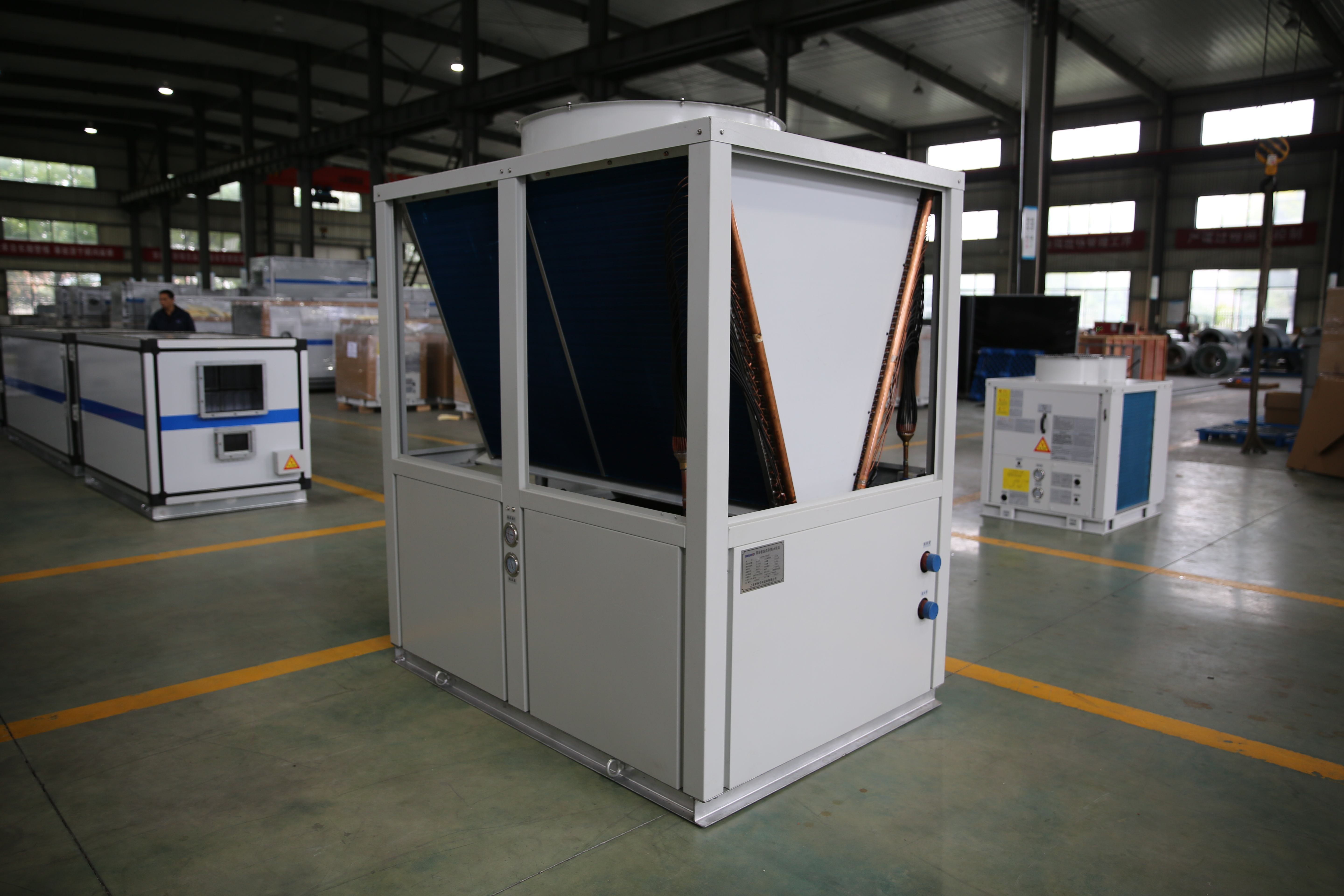
Most shoppers glance at the wattage, maybe the voltage, then move on. But the nameplate on a motor or appliance carries a handful of other specs that quietly shape how well the thing performs in your specific setup. The service factor, for example, tells you how much overload a motor can handle without tripping thermal protection. A 1.15 service factor means it can run at 115% of rated load briefly—useful when a pump momentarily fights extra head pressure. Skipping that number can lead to a motor that's perfectly fine on paper but keeps nuisance-tripping under real-world loads.
Another overlooked line is the insulation class. It's not just an engineering footnote; it dictates the maximum winding temperature the motor can tolerate before the varnish starts breaking down. Class B handles up to 130°C, Class F goes to 155°C, and Class H reaches 180°C. If you're mounting a fan motor above a furnace plenum or inside a compressor housing, ambient heat subtracts from that margin. Buyers who ignore insulation class often wonder why a motor that should last a decade dies in two summers.
Then there's the duty cycle. Continuous, intermittent, or short-time ratings change everything about sizing. A pump labeled S1 can run all day; one labeled S3 with a 25% duty cycle needs long rests. Swapping a continuous-duty motor into a garage door opener rated for intermittent use won't necessarily fail immediately, but it'll run hotter and wear bearings faster. Reading the full nameplate isn't just about matching numbers—it's about matching the machine to the actual work it'll face.
How Ambient Conditions in Southern China Change Sizing Decisions
Southern China's relentless humidity forces natural fibers like cotton and linen to absorb moisture and swell, making post-wash and post-wear dimensions drift far more than in drier climates. A chest measurement taken in a Guangzhou fitting room at 85% relative humidity can be half a centimeter larger by evening, so brands cannot simply borrow size charts from northern or international markets. Instead, they add an extra 1–2 cm of ease through the bust and waist, accounting for the fabric's horizontal expansion under prolonged damp conditions.
The region's long, sweaty summers push consumers toward looser silhouettes, and this preference reshapes numeric sizing rather than just style choices. Lightweight fabrics cling to moist skin, making a standard medium feel snugger on a Shenzhen shopper than on someone in Beijing, which shows up clearly in e-commerce return data: southern provinces consistently report higher rates of "runs small" complaints. Consequently, many labels now run separate size grading for their South China distribution, shifting the midpoint up by roughly half a size while keeping the same label.
Extreme humidity swings during the annual "hui nan tian" (returning south wind) season also disrupt in-store try-on accuracy. Air-conditioned boutiques create a false sense of fit, because the moment a customer steps outside, the garment absorbs moisture and tightens around the shoulders and arms. Experienced local retailers train staff to suggest late-afternoon fittings, and some even lightly mist garments with water before try-on to simulate real-world wear, giving buyers a truer picture of how the piece will feel in everyday southern conditions.
Compressor Types and the Real Cost of Partial-Load Operation
When a compressed air system spends most of its hours well below full load, the choice of compressor becomes less about peak horsepower and more about how gracefully the machine handles part-throttle conditions. Fixed-speed rotary screw units, for instance, often rely on inlet modulation or load/unload cycling, which can leave the motor drawing 60 to 70 percent of full-load power even when delivering little or no air. Centrifugal compressors have their own quirk: below the surge line, efficiency falls off sharply and operation becomes unstable, forcing operators to run additional units or blow off excess air.
Variable speed drive (VSD) rotary screw compressors generally improve part-load performance by matching motor speed to air demand, but the savings are not always as dramatic as the marketing suggests. Below roughly 30 to 40 percent load, even VSD machines lose efficiency due to motor and inverter losses, oil carryover, and fixed auxiliary loads. Reciprocating compressors, by contrast, can unload cylinders or stop completely with minimal standby losses, making them attractive in intermittent-duty applications, though their higher maintenance needs can offset the energy advantage.
The real cost of partial-load operation shows up in the utility bill and in the wear on components. Frequent start/stop cycles accelerate motor heating and contactor wear, while prolonged unloaded running wastes energy and can cause moisture build-up in the lubricant. A careful part-load efficiency analysis—using realistic load profiles rather than a single full-load number—often reveals that the cheapest compressor at full load is not the cheapest to own over ten years.
When a Chiller's Efficiency Claims Don't Match Your Facility's Reality
Chiller datasheets often cite full-load kW/ton figures measured under ideal lab conditions—clean condenser water at 85°F, design flow rates, and a brand-new machine. Your facility rarely, if ever, operates there. Dust on coils, slightly fouled tubes, variable chilled water setpoints, or even the way your building loads shift across the day can erode real-world efficiency by 10–20% without a single alarm going off. The gap isn't a sign of a faulty chiller; it's a sign the rating conditions never matched your operating profile.
Rather than chasing the nameplate number, pull a year's worth of run-hour and energy data from your BAS or chiller plant controller. Compare actual kW per ton at the loads and condenser water temperatures you actually see—especially during shoulder seasons. Many facilities discover their chiller is spending most hours at 30–50% load, where the published efficiency curve is optimistic or entirely unstated. That's where the real performance story lives.
Simple commissioning checks often reveal actionable mismatches: a miscalibrated chilled water supply sensor can convince the chiller it's making 44°F water when it's actually delivering 48°F, forcing compressors to work harder. Refrigerant charge drift, condenser water flow below design, or even a bypass valve stuck open can silently chop efficiency. Address these before blaming the manufacturer—the spec sheet wasn't wrong, it was just answering a different question than the one your facility asks every day.
Maintenance Habits That Extend Service Life Beyond the Manual's Promises
Most owners treat service intervals as maximum limits, but small proactive habits push components past advertised lifespan. For example, changing oil at 60-70% of recommended mileage and sending a sample for wear-metal analysis catches bearing wear before it becomes a scored crankshaft. Similarly, replacing coolant every two years instead of five keeps pH stable and electrolysis from eating head gaskets.
Pay attention to materials that degrade by calendar, not just miles. Rubber hoses, serpentine belts, and brake fluid seals oxidize even in a parked vehicle. A quick squeeze test on coolant hoses and a brake fluid moisture strip every autumn reveal hidden aging. Swap belts when ribs show micro-cracks under a flashlight, not when they snap on the highway.
Storage habits often matter more than running hours. If a machine sits for weeks, fill the tank to reduce condensation, use a battery maintainer rather than a trickle charger, and roll the drivetrain a few feet monthly to redistribute lubricant on seals. For outdoor equipment, a breathable cover beats a plastic tarp that traps humidity against metal. These small routines outwork any manual's optimistic schedule.
FAQ
It removes heat from process equipment by circulating chilled water. The water absorbs thermal energy from machines like lasers, extruders, or reactors, then returns to the chiller where a refrigeration cycle rejects that heat to the atmosphere or to a cooling tower. This keeps temperatures stable enough for precision work and prevents thermal shutdowns.
Many Chinese manufacturers have moved beyond simple copying and now offer solid engineering, reliable compressors, and modular designs at lower price points than European or American equivalents. You get access to local spare parts and technical support without long lead times. Just verify certifications like CE or UL and ask for a detailed component list before ordering.
Air-cooled units are simpler to install because they need only ambient air and a power supply, making them ideal for smaller facilities or areas with water restrictions. Water-cooled units reject heat more efficiently and run quieter indoors, but they require a cooling tower, condenser water pump, and regular water treatment. Choose based on available space, water costs, and ambient temperature ranges.
Plastic injection molding, blow molding, and extrusion are the largest users, followed by laser cutting, CNC machining, electroplating, pharmaceutical production, and chemical reactors. Food and beverage processing also uses chillers for rapid cooling of cooked products and fermentation tanks. Any process that generates frictional or electrical heat can benefit from a properly sized chiller.
Clean or replace air filters monthly, inspect condenser coils for dust and debris, and check refrigerant pressures and water flow rates every quarter. Use a refractometer to monitor glycol concentration if you run below 5°C, and flush the water circuit annually to prevent scale and biological growth. Log operating temperatures so you notice small drifts before they become major failures.
A chiller often accounts for 15 to 30 percent of a plant's electrical load. Choosing a unit with a higher COP or IPLV rating can reduce annual energy bills by 20 to 40 percent compared to older fixed-speed models. Variable-speed compressors, electronic expansion valves, and intelligent controls adjust output to partial loads, which is where most chillers actually run most of the time.
Yes, many Chinese manufacturers offer semi-custom designs. You can specify stainless steel brazed plate evaporators for corrosive fluids, precise temperature control within ±0.1°C using dual circuits, or special refrigerants for low-temperature operation down to -30°C. Provide your heat load, required outlet temperature, ambient conditions, and fluid type, and they will select the compressor, pump, and tank size accordingly.
Placing an air-cooled unit too close to a wall or another heat source reduces airflow and raises condensing pressure. Under-sizing water pipes causes excessive pressure drop and pump overload. Skipping vibration isolation transmits noise and can damage piping over time. Also, failing to account for altitude derates the compressor; always check the manufacturer's correction factors for your location.
Conclusion
A genuinely reliable China water chiller separates itself early: the frame, evaporator, and condenser tubing are built for years of thermal cycling, not just a quick spec-sheet win. Most buyers ignore the nameplate data—refrigerant charge, full-load amps, and allowable ambient range—yet those numbers decide whether a unit will limp or last. In southern China, where outdoor temperatures and humidity stay high for months, sizing must shift toward headroom; a chiller rated at 35°C ambient will derate sharply at 45°C, and corrosion-resistant coils stop being optional.
Compressor choice matters less at full load than at the 40–60% partial-load band where most plants actually run; scroll and screw machines differ sharply in unloading behavior and energy penalties. Efficiency claims on brochures rarely match a facility with variable flow, dust, or undersized cooling towers—field performance needs measured kW/ton, not ISO ratings. Finally, maintenance habits that go beyond the manual—cleaning condenser fins monthly, logging approach temperatures, changing oil and filters before degradation—regularly push service life well past the typical 10–12 year projection, turning a commodity chiller into a durable part of the production line.
Contact Us
Contact Person: Crystal
Email: [email protected]
Tel/WhatsApp: 8613524235353
Website: https://www.airkohvac.com