

Container Refrigeration Room Wholesaler Guide to Choosing Cold Storage You Can Trust
2026-11-22
Most guides treat cold storage like a commodity—same boxes, same promises, same headaches six months later. If you are sourcing container refrigeration rooms and tired of vague spec sheets, this one is different. At PAULAIR, we know the real cost of a wrong decision shows up in spoiled inventory and midnight service calls, not just the invoice. Here is how to cut through the noise and choose a system built to hold temperature when it actually matters.
Start With the Harshest Conditions the Room Will Face, Not the Listed Square Footage
Square footage has a way of making the decision feel settled before it has even started. A room listed at two hundred square feet can behave very differently depending on whether it has a west-facing window that collects afternoon sun, a flat roof that holds heat well into the evening, or a desk full of electronics running for ten hours straight. Those are the conditions that actually push a machine to its limit, not the dimensions on a floor plan. If the sizing conversation begins with area, it often ignores the fact that two rooms with identical measurements can have completely different cooling or heating demands.
A more useful approach is to picture the room at its worst moment and work backward from there. That might be a summer afternoon with the blinds open, six people in the room, a projector running, and outside air leaking through an old window frame. If the unit can hold the target temperature under that specific set of pressures, it will handle mild days without constantly cycling on and off. Choosing based on the average afternoon only guarantees comfort when conditions are already easy, which is not when equipment gets tested.
There are also quiet variables that listings rarely mention: a door that never fully seals, a neighboring kitchen that sends humid air into the space, or an exposed wall that stays cold in winter. These details matter more than adding an extra hundred square feet to the calculation. Starting with the hardest conditions the room will actually face pushes the selection toward something slightly larger, but not wastefully so. The goal is not to buy the biggest unit available. It is to buy one that will still be effective when the room stops cooperating.
Look Past Panel Thickness at the Locks, Seams, and Floor Joints
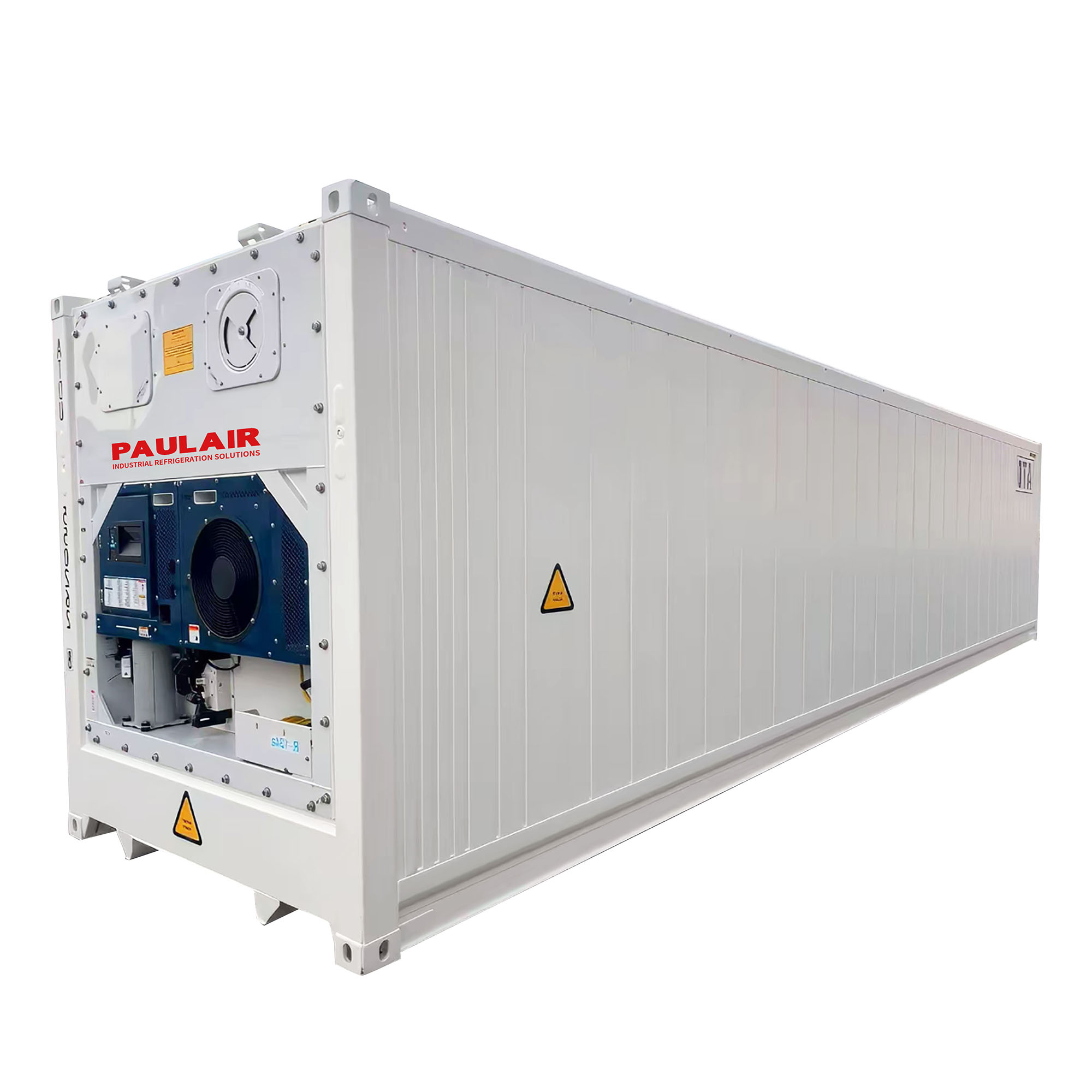
Panel thickness alone rarely tells the full story of a safe's resistance to forced entry. Attackers with pry bars, wedges, or hydraulic spreaders almost never strike the broad, flat center of a door or wall — they target the narrow gaps where the locking bolts meet the frame, where sheets of steel are folded together, and where the floor meets the bottom edge. At these seams, even a modest amount of leverage can create enough deflection to expose the boltwork or peel back a corner. A well-built safe therefore reinforces these transitions with continuous welds, interlocking returns, or recessed overlaps that leave little room for a tool to bite.
The floor joint deserves particular attention because it is often hidden from view and rarely inspected until it is too late. On many cheaper models, the bottom plate is simply spot-welded or screwed in place, which lets a thief hammer a wedge underneath and tear the plate upward. By contrast, better designs run the outer body down over a lipped floor pan, weld the seam from the inside, or fill the gap with a hardened corner bead. If you can run your fingers along the lower edge and feel a lip, notch, or uneven gap, that is exactly the kind of purchase point a pry bar will find first.
The same scrutiny should apply to the lock side and hinge side of the door. A door that looks thick on paper can still flex if the bolt channel is shallow or if the frame gap is wide enough to insert a thin tool. Look for a door edge that sits flush against the frame with no more than a couple of millimetres of clearance, and check whether the bolts extend across the full height or cluster only near the lock. Those small details at the locks, seams, and floor joints usually reveal more about real protection than a single advertised number for panel thickness.
Size the Cooling Around Real Door Traffic and Ambient Heat, Not Just Cubic Volume
A walk-in cooler next to a busy kitchen door behaves nothing like a sealed box in a load calculation. Every time the door swings open, warm, moisture-heavy air pushes inside; every pass of a cart or person adds a burst of heat that a simple cubic-foot estimate never sees. That repeated traffic turns the doorway into a heat exchanger, and the cooling system has to handle that surge without drifting above safe holding temperatures.
The same goes for ambient conditions around the panels, not just inside them. A box tucked against a hot cook line or sitting under a west-facing exterior wall absorbs heat through its surfaces far faster than the same footprint placed in a cool basement. Sizing only by volume misses this ongoing skin load, so the unit ends up running longer cycles and still falling behind during peak periods.
A more useful calculation starts with the actual pattern of use: how often the door opens, how long it stays open, what temperatures and humidity are waiting outside, and whether strip curtains or a vestibule slow the exchange. Add that to the real ambient temperature around each wall and the equipment inside, then apply a buffer for unusually busy shifts. That approach produces a system that matches the room's daily reality, not a lab-perfect box with no traffic and no neighboring heat.
Ask for the Component List Before You Compare Wholesale Quotes
Most buyers jump straight to comparing prices, but that approach often hides the real differences between suppliers. Before you line up wholesale quotes side by side, ask each vendor for a detailed component list. This simple step exposes what you are actually paying for—whether it is the grade of raw materials, the type of hardware, or the manufacturing processes used. Two products that look identical in a photo can be built from drastically different components, and the list makes those gaps impossible to ignore.
Requesting the component breakdown also gives you a concrete reference point when negotiating. If one supplier uses a thinner gauge of metal or a lower-grade battery cell, you can ask them to either match the better specification or adjust the price accordingly. Without the list, you are effectively comparing apples to spray-painted oranges. A written component sheet turns vague claims about quality into something measurable, which is exactly what you need when volumes and profit margins are at stake.
Make the request early and keep it consistent across every supplier you contact. A clear, itemized list should cover all major parts, from enclosures and fasteners to labels and packaging inserts. Once you have those in hand, the quote comparison becomes far more useful—and far less likely to lead to costly surprises later on.
Test How the Wholesaler Responds When Something Stops Cooling
When a walk-in box or display case suddenly stops holding temperature, the first call often goes to the wholesaler, not the manufacturer. A good distributor treats this as a diagnostic conversation rather than a parts lookup. They will ask what the system was doing before it failed—whether the compressor was short-cycling, if the evaporator fans were still moving air, if there was frost only on part of the coil, or if the breaker tripped more than once. Those details tell them whether you are dealing with a refrigerant leak, a failed defrost termination, an airflow problem, or a control issue. If their counter team cannot walk you through the likely causes over the phone, that is usually a sign they are just order takers.
The better test is to describe a specific failure with one or two missing readings and see how they fill in the blanks. Give them symptoms like a frosted distributor, a compressor that hums but will not start, or a box at 50°F with the condensing unit running and no visible ice. A responsive wholesaler will verify what parts are on the truck, suggest a temporary workaround if a replacement is not in stock, and tell you which readings to capture before you return. They may also flag whether the failed part usually takes out something else, such as a bad run capacitor taking the start relay with it, so you are not making two trips. If they only quote price and availability without asking about the system, that response tells you more than the part number ever will.
Check Whether the Warranty Covers Seals, Controllers, and Labor After the First Year
The first twelve months usually bring broad protection, but the real test of a warranty is what happens once that initial period ends. Seals and gaskets are frequent failure points, yet many policies quietly reclassify them as wear items the moment the calendar flips. Before signing anything, ask for a written statement that specifically names seals, o-rings, and related components, rather than accepting a vague reference to “mechanical parts.” A verbal promise from a sales rep is worth very little if the fine print tells a different story.
Controllers and electronic boards deserve equal scrutiny. These parts can cost as much as a major mechanical repair, and some manufacturers limit coverage to the hardware while excluding the labor needed to diagnose and install it. If labor after the first year is not clearly listed, you could find yourself paying several hundred dollars in technician fees even though the replacement controller itself is covered. Look for language that says “parts and labor” rather than just “parts,” and note whether the labor rate is capped at a reasonable amount.
A practical way to avoid surprises is to request a sample claim scenario in writing. Ask how a leaking seal, a failed controller, and the associated service call would each be handled in month thirteen or month twenty. If the answer is evasive or shifts to a different topic, treat that as a red flag. The strongest warranties state coverage windows for seals, controllers, and labor separately, with no requirement that the original owner complete an unreasonable maintenance log just to keep protection intact.
FAQ
Ask for a pull-down curve from a unit with a similar product load, not an empty room. Real trust comes from data collected at multiple sensor points, including corners and door-adjacent zones where temperature swings usually appear first.
Look at the joints. Panels can be thick but still leak cold air through poorly sealed seams, missing vapor barriers, or weak corner connections. Ask for thermal bridging details and a documented assembly procedure rather than just the panel spec sheet.
Check how defrost water drains, whether door heaters are included, and how easily the condenser can be accessed for cleaning. Units that hide these details often cost more in downtime later, even if they look fine on day one.
Airflow usually explains the gap. A room with strong cooling but poor air distribution will develop warm and cold zones, especially under partial loads. Ask how the evaporator and return air path were matched to expected storage patterns.
Energy use during defrost, standby power consumption, and door opening recovery all shape monthly bills. A low purchase price can mask a compressor that runs longer and harder. Request realistic duty cycle estimates with the doors opening several times a day.
Ask for a sample service report and the location of spare parts inventory. If the supplier cannot name a local technician or typical response time for a compressor issue, that support is likely just a phone line.
Floor load rating, door seal durability, drain heating, and corner casting condition matter more than cosmetic panel finish. These are the parts that fail under constant forklift traffic and repeated door cycles.
They ask about product type, loading frequency, and site power limits before recommending a unit. A trustworthy partner also lists what is not included and why, instead of pushing the cheapest configuration as if every application were the same.
Conclusion
A cold storage room that looks fine on a floor plan often struggles once it faces a loading dock in August or a door that opens forty times a shift. Rather than starting with listed square footage, work backward from the most punishing conditions the space will see: humidity, washdown routines, direct sun on an exterior wall, and the hottest ambient air the equipment may ever pull through. That same scrutiny should carry into the enclosure itself. Panel thickness gets a lot of attention, but the real trouble usually appears at locks, seams, and floor joints, where air and moisture sneak in after the building settles or the floor gets bumped by carts.
Cooling needs to be matched to real door traffic and ambient heat, not just the cubic volume on a spec sheet. A room that is technically the right size can still warm up fast if traffic is heavy or the condenser sits against a hot wall. Before comparing wholesale quotes, ask for a full component list so one supplier is not quoting lighter evaporators, cheaper controllers, or thinner gaskets than another. Finally, test how the wholesaler reacts when something stops cooling, and check whether the warranty still covers seals, controllers, and labor after the first year. That response and the fine print often reveal more than the initial price.
Contact Us
Contact Person: Jack
Email: [email protected]
Tel/WhatsApp: +86-13335127698
Website: https://www.paulair-refrigeration.com