

Dried Flowers We Recommend for Timeless Home Decor
2026-10-20
Fresh flowers are lovely, but they fade. Dried flowers, on the other hand, hold their shape and color for months—sometimes years—making them the perfect quiet luxury for any room. If you've been searching for decor that feels both intentional and effortless, you're in the right place. We've curated a list of dried flowers we recommend for timeless home decor, from sculptural grasses to muted blooms that soften shelves, mantels, and corners. Each pick pairs beautifully with PHLEEYA vases and stems, so you can build a look that lasts without constant upkeep. No watering, no wilting—just a refined, lived-in elegance that stays put.
Immortal Blooms That Outlast Every Season
Some flowers refuse to fade when temperatures drop. The secret lies in their structure—waxy petals, sturdy stems, and a slow metabolic rate keep them looking fresh long after their softer cousins have wilted. Gardeners who choose these varieties get months of color without the constant replanting cycle.
Think of strawflowers, with their papery blooms that feel like dried arrangements even while alive. Or sea holly, whose spiky blue heads hold their form through frost and wind. Then there are the classic everlastings like globe amaranth and statice, often overlooked in garden centers but unbeatable for borders that need reliable texture from June until March.
The real payoff comes when you cut them. Unlike typical flowers that droop in a vase within days, these keep their shape and color for years if dried properly. A single planting can supply both your summer beds and winter wreaths—a rare case where beauty and toughness grow on the same stem.
Arranging Dried Stems for a Lived-In Look
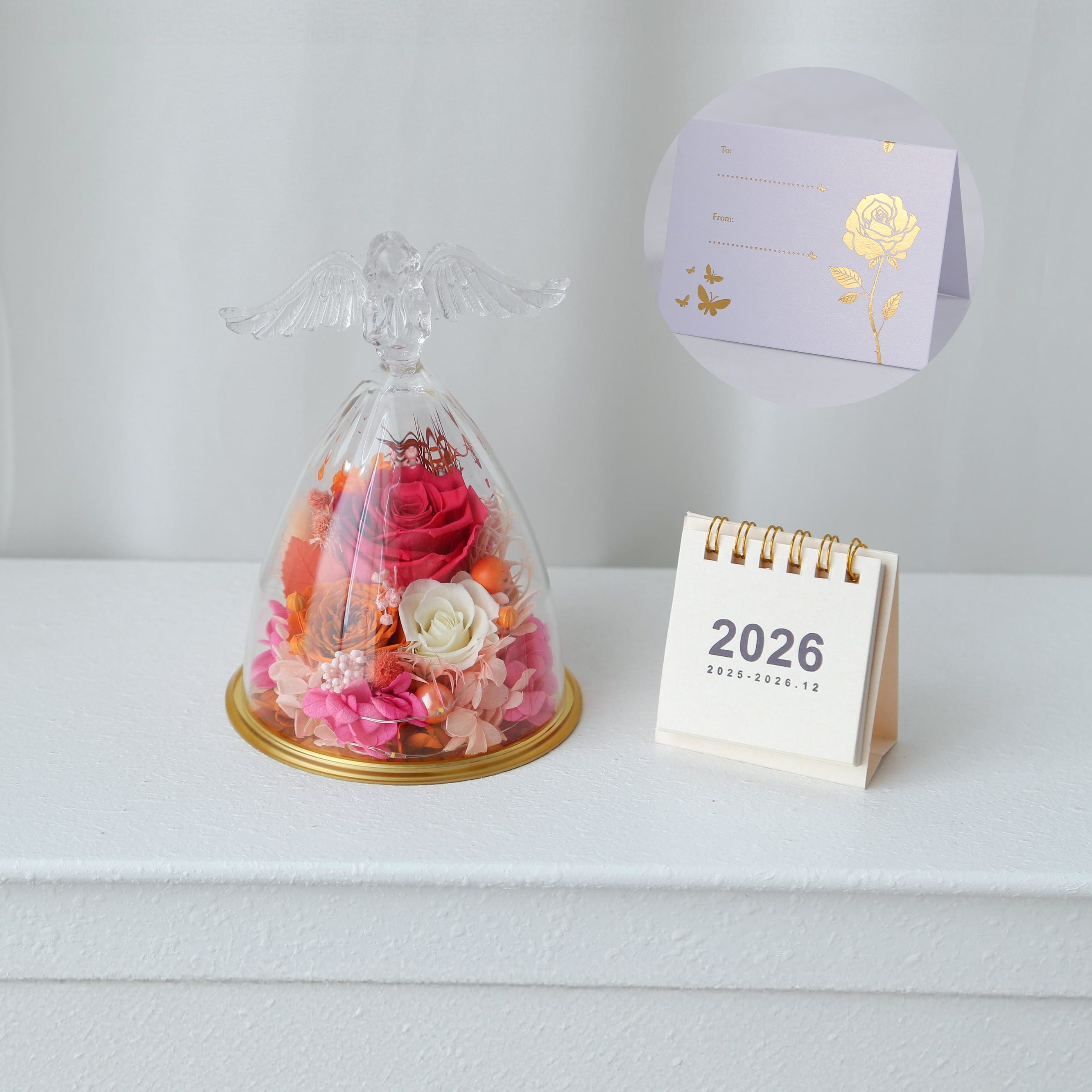
Start by choosing stems that already have a bit of character—wispy grasses, curved seed pods, twigs with slight bends. The goal isn’t a symmetrical bouquet but a loose arrangement that looks as though you gathered it on a walk. Trim stems to slightly different lengths, then place them in a vessel one by one, letting a few rest at odd angles across the rim. Resist the urge to fluff or perfect them; a stem leaning sideways or crossing another adds the kind of nonchalance that makes a room feel settled, not styled.
Layer in different textures for depth. Pair airy bunny tails with heavier, dark-stemmed dried eucalyptus or a few oat stalks. Rather than clustering all the tall pieces in the center, distribute them unevenly so the eye travels around the arrangement. If a stem looks too upright, gently bend its wire-like stem or rotate the vase until it finds a more relaxed position. This built-in imperfection is what separates a lived-in display from a store-bought one.
Finally, step back and remove anything that seems overly deliberate. If the arrangement starts to feel balanced in a mirrored way, pull out one stem or shift another slightly off-center. The most convincing dried arrangements often have a slightly windblown quality—an element you can’t force but can encourage by leaving a few gaps and letting the natural curve of each stem do the work.
Neutral Rooms That Come Alive with Dried Texture
A room dressed entirely in beige, oat, and chalk can quickly flatten into a blank page. The fix rarely comes from adding more color; it comes from dried texture. Bundles of wheat, wispy pampas plumes, sculptural palm fans, and soft bunny tails each throw their own kind of shadow across a wall. They sway faintly when a door opens, and that slight movement makes the space feel inhabited rather than staged.
The real appeal is tactile. Rough, brittle stems against smooth limewash or plaster create a tension that soft textiles alone cannot. Dried botanicals pull light inward, giving pale walls a muted, earthy undertone that shifts through the day. A single dried branch in a heavy stoneware vase can anchor an empty corner, while a tabletop arrangement of strawflowers and grasses adds quiet depth to a console without shouting for attention.
For a more considered look, skip the tiny bud vases and go oversized. Fill a wide-mouth vessel with oat-colored grasses, lean a few dried palm fronds against a bare wall, or hang a loose swag of preserved eucalyptus above a bed. Mix heights, let some stems arc outward, and allow a little negative space. Neutral rooms come alive not because they are perfect, but because the textures in them feel honest, lasting, and a little untamed.
Mixing Dried Botanicals into Modern and Rustic Spaces
Dried botanicals have moved well beyond the farmhouse cliché. In a modern room, a single tall stem of preserved pampas or a trio of dried palm fronds placed in a matte ceramic cylinder reads more sculptural than seasonal. The key is restraint—let the architecture breathe around the arrangement and keep the palette to bone, sand, and oat.
In rustic spaces, the opposite approach often works better. Think loosely bundled wheat, lavender, and strawflowers tied with twine and hung from a reclaimed nail, or a weathered wooden dough bowl filled with dried grasses and seed heads. These pieces feel gathered rather than styled, as if they’ve been part of the room for years.
To mix both sensibilities, pair a sleek black metal vase with a generous bunch of bleached ruscus, or place a single dried hydrangea in a clear glass vessel on a raw-edge side table. The contrast between crisp lines and organic textures is what keeps dried botanicals from feeling dated.
Muted Tones and Feathery Textures We Keep Reaching For
There’s a reason we keep circling back to washed-out sage, warm oat, and dusty clay: they soften a room without ever feeling dull. These muted tones act like a visual exhale, letting textures carry the personality instead of competing with loud color.
Feathery textures slip in through boucle throws, brushed linen, and the occasional mohair cushion. They ask to be touched, adding a quiet layer of warmth that flat surfaces can’t offer. Over time, that contrast between matte color and soft hand-feel becomes the whole mood—comfortable, slightly undone, and very easy to live with.
The appeal isn’t about following a trend cycle. It’s the way these pieces age, how they catch morning light, and how they make an outfit or a sofa feel more like a place you want to stay. We keep reaching for them because they never really ask for attention, yet somehow hold it.
Unexpected Corners Where Dried Flowers Do the Most
Dried flowers often get relegated to the same predictable spots—mantels, center tables, maybe a bedroom shelf. But their real power shows up in the forgotten corners of a home. Tuck a bundle of bleached ruscus behind the bathroom faucet, where the hard lines of porcelain meet the soft papery texture. The steam won't wilt them, and that odd little gap suddenly becomes a still life.
Think about the narrow ledge above a kitchen doorway, the shadowy niche beside a staircase turn, or the gap between a wardrobe and the ceiling. A single preserved eucalyptus stem laid diagonally across a stack of old books in an entryway corner does more than a vase of fresh blooms on the dining table. It draws the eye upward and outward, making the whole room feel considered rather than decorated.
Even the pantry or a walk-in closet benefits from a small bunch of dried lavender or strawflowers tied to a shelf bracket. These spots usually get overlooked because they're functional, not decorative. But that's exactly why they work: the unexpected softness against canned goods or folded sweaters gives the space a quiet, lived-in charm that no framed print or scented candle can match.
FAQ
Strawflowers and statice keep their shape and color surprisingly well, especially in muted rose, oat, and rust tones. I also like globe amaranth because the little clover-like heads stay vivid for years.
Skip the dyed pampas and go for oat-colored bunny tails, pale lagurus, and cream yarrow. They read as a soft neutral texture, so the arrangement feels calm and intentional rather than styled for a fad.
Some can handle bright light better than others. Bleached ruscus, preserved eucalyptus, and sun palms tend to hold their tone, but most natural blooms will fade faster in direct sun. Rotate them or keep them a few feet away from the glass.
Try straight stems of dried delphinium or larkspur. They give vertical structure, but the thin spikes keep the silhouette airy. A few stems in a heavy ceramic vase look polished, not overgrown.
Dust them gently with a soft brush or cool hair dryer, and avoid touching the petals. If the colors dull, you can lightly mist the stems with a dry-flower sealant. More importantly, swap out any stems that start to droop so the whole arrangement stays crisp.
Cotton stems, silver-leaved Italian ruscus, and white larkspur blend beautifully with white walls. They add softness without competing for attention, and they don't scream 'farmhouse' unless you pair them with burlap.
Small bundles of fountain grass, hare's tail grass, and quaking grass work nicely. They don't shed as much as pampas and fit smaller vessels without overwhelming the table.
Conclusion
There’s a reason pampas, bunny tails, and strawflowers keep showing up in homes that feel both calm and current. Unlike fresh cuts, these stems don’t demand water, sunlight, or a replacement schedule; they simply hold their shape and quiet color through every season. When arranging them, think less about symmetry and more about the casual, gathered look—place a few tall grasses in a ceramic jug, let a wispy stem lean slightly off-center, and pair it with dried lunaria or eucalyptus for that lived-in, not overly styled feel. Neutral rooms especially benefit from this texture, because dried botanicals add depth without shouting. A cream sofa, linen curtains, and a bundle of bleached ruscus or oat stems can turn a flat corner into the most interesting part of the room.
The same stems move easily between modern and rustic interiors; a sleek shelf with a single dried palm spear looks sculptural, while a farmhouse mantel layered with wheat, lavender, and broom corn feels warm and intentional. We keep coming back to muted tones—sand, oat, dusty rose, and faded sage—because they work with almost any palette and never fight the room. Feathery textures, like pampas plumes and miscanthus, are particularly good at softening hard edges. Beyond the usual vase on a table, try placing a small bundle in a bathroom niche, hanging dried flowers upside down from a hook in the laundry room, or tucking a few stems into a bedroom corner that gets little light. In those unexpected spots, dried flowers do the most—adding life without upkeep, and turning neglected areas into deliberate, timeless moments.
Contact Us
Contact Person: Mr. Luo
Email: [email protected]
Tel/WhatsApp: 86 18100895505
Website: https://www.feiliyaflowers.com/en/