

Expert Oocyte Cryopreservation: Your Trusted Professional Center for Fertility Preservation
2026-06-19
When it comes to preserving your future family, the decision to freeze your eggs isn't just a medical procedure—it's a deeply personal step toward reclaiming control over your timeline. At MEIYUE, we blend advanced oocyte cryopreservation with a compassionate, tailored approach that puts your life plans first. Curious how we've become a trusted partner for so many? It starts with expertise that never compromises on care.
The Science Behind Egg Freezing Success
Egg freezing hinges on a delicate process called vitrification—a flash-freezing technique that transforms the water inside the egg into a glass-like solid, without forming damaging ice crystals. This leap forward moved the technology far beyond earlier slow-freeze methods, which often left eggs riddled with fractures. Today's survival rates after thawing can top 90% in skilled labs, though the real measure of success lies in whether an egg can later be fertilized and develop into a healthy embryo.
Age plays an outsized role in outcomes, primarily because an egg's genetic stability declines over time. A woman in her early 30s typically has a higher proportion of chromosomally normal eggs, which are more likely to survive freezing, thawing, and eventual fertilization. By the late 30s and early 40s, the odds shift—not because freezing techniques fail, but because the egg quality itself is diminished. It's a stark biological reality that no laboratory process can yet reverse.
Lab expertise is another quiet driver of success. From the precise cryoprotectant baths that gently replace water inside the cell, to the micro-second timing of temperature drops, every step demands a practiced hand. Even the storage tanks, filled with liquid nitrogen, must maintain an unbroken ultra-cold chain. The data shows that centers handling a high volume of cycles consistently report better outcomes, suggesting that the human element—experience, dexterity, and meticulous protocols—matters as much as the science itself.
Custom-Tailored Protocols for Every Patient
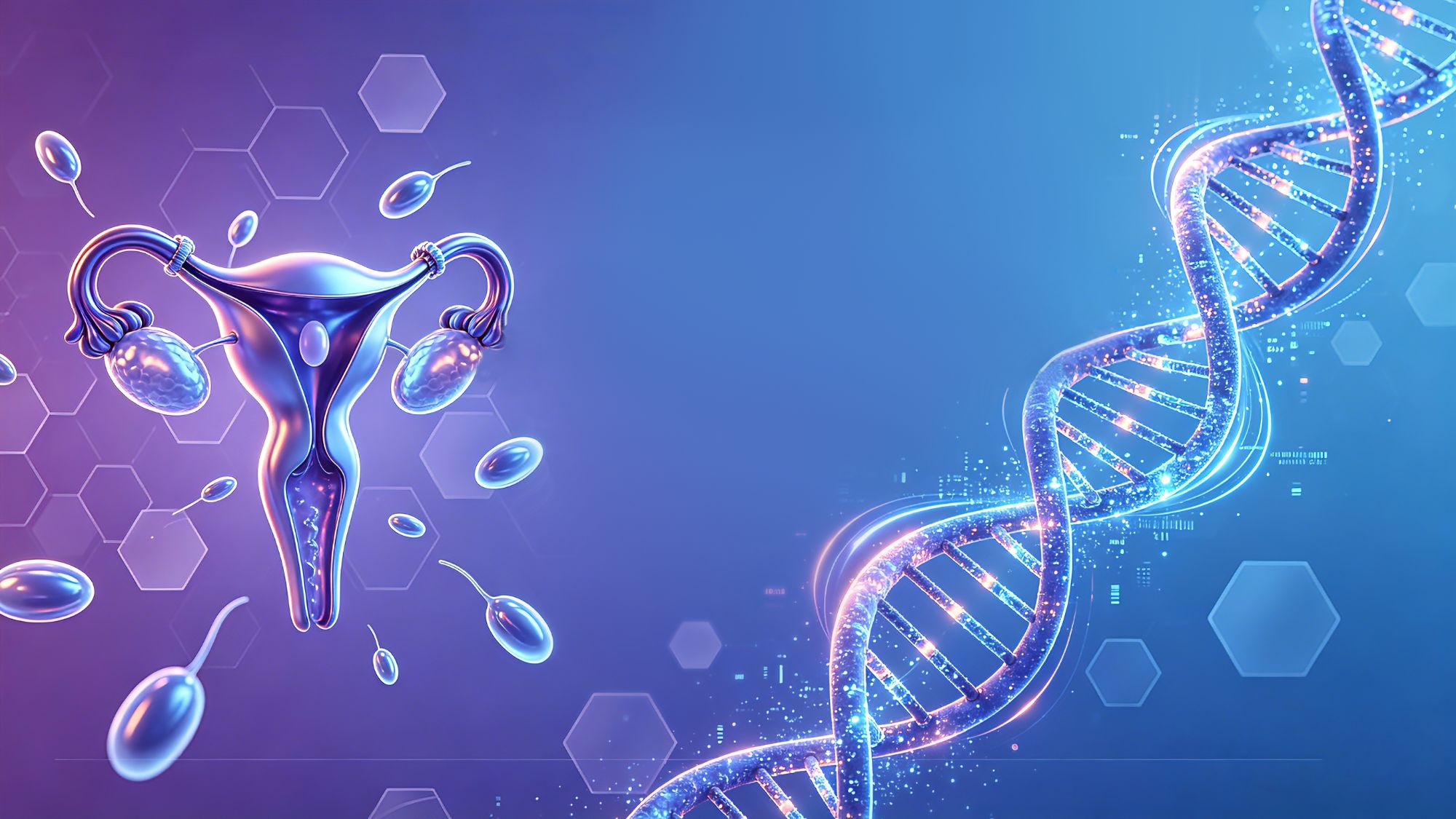
Healthcare isn't one-size-fits-all, and your treatment plan shouldn't be either. We build each protocol from the ground up, considering your medical history, lifestyle, genetic predispositions, and even subtle patterns most clinics overlook. Instead of pulling a standardized template off the shelf, we spend time understanding how your body responds, what has failed in the past, and where your long-term health goals actually point.
This means every test, therapy, or follow-up is chosen for a reason—never out of habit. Our team cross-references emerging research with your unique biomarkers, adjusting dosages, timing, and complementary care in real time. The result is a living document that evolves with you, not a static checklist you're forced to fit into.
Patients often tell us they've never experienced this level of personalization. From nutrition plans that align with your genetic profile to therapy schedules built around your energy cycles, the difference is tangible. It's the kind of care that treats you as a complex, dynamic individual—not a case number.
Inside Our State-of-the-Art Cryopreservation Lab
Stepping through the airlock doors, the first thing you notice is the quiet hum of machinery—a constant, reassuring presence. The air is filtered to surgical-grade standards, and every surface gleams under cool LED lighting. Rows of liquid nitrogen dewars line one wall, their digital monitors blinking with real-time temperature data. Each unit is integrated with a redundant alarm system, guaranteeing that even a flicker of deviation is caught before it becomes a threat. This isn’t just a storage room; it’s a sanctuary for biological matter where stability is paramount.
At the heart of the lab sits the vitrification suite, an area cordoned off by glass partitions. Here, specimens are prepared with a precision that borders on artistry. Technicians work inside laminar flow hoods, manipulating samples with microtools as they follow protocols refined over decades. The cryoprotectant solutions are chilled just above their freezing points, balanced to infiltrate cells without toxicity. A misstep in timing or concentration could compromise viability, so every action is deliberate, logged, and cross-checked. It’s a dance of science and patience, performed under the watchful eyes of senior embryologists.
Further back, beyond the cryo-storage vault, lies the quality control annex. Microscopes wired to image-analysis software scan for morphological anomalies, while incubators keep post-thaw samples in a controlled environment for recovery assessment. One wall is covered in charts tracking survival rates across months and years, a visual testament to the lab’s iterative improvements. The space feels less like a traditional lab and more like a biological safehouse—austere yet deeply intentional, designed not for display but for function. Every element, from the epoxy flooring to the backup generators, serves a single purpose: ensuring that what’s preserved today can be revived tomorrow.
Navigating the Emotional Journey of Fertility Preservation
There is a quiet realization that settles in when fertility preservation becomes part of your story—a mix of hope and grief that often arrives unannounced. The days leading up to treatments can feel suspended, like you are living in a between-world, watching friends announce pregnancies with a forced smile while your own body becomes a vessel for medical logistics. Some mornings, you wake up anchored in determination; others, the weight of injections and blood draws leaves you fragile, questioning if the physical toll will ever translate into the family you are trying to secure. It’s not just the hormones disrupting your emotions—it’s the very real ache of wanting something so deeply while surrendering control over the most intimate parts of yourself.
Amid the clinical discussions about follicle counts and success rates, you may discover unexpected pockets of strength. A partner holds your hand in a waiting room, saying nothing and everything. A nurse remembers your name and hugs you after a difficult ultrasound. These connections, small as they seem, become the scaffolding that keeps you upright. You learn to advocate for your own emotional boundaries—declining baby shower invitations without apology, carving out moments of stillness when the noise of “what if” grows too loud. The journey is messy, nonlinear, and deeply personal, yet it also carves out a resilience that surprises you, a quiet knowing that whatever the outcome, you showed up for your future self in ways that cannot be measured by a clinic’s data sheet.
Real Stories, Real Hope: Patient Experiences
Behind every diagnosis lies a unique story—one of fear, resilience, and small victories that no textbook can fully capture. These aren't polished narratives crafted for impact; they're the quiet moments in waiting rooms, the trembling hands holding test results, and the breath of relief when a treatment finally works. Patients don't just endure illness; they navigate a landscape reshaped by uncertainty, often discovering strengths they never knew they had.
What connects these stories isn't a common disease, but the raw honesty of lived experience. A mother relearning to trust her body after years of unexplained symptoms. A young adult balancing college and chemotherapy, finding solace in late-night conversations with a roommate who simply listens. These voices remind us that hope doesn't always roar—sometimes it's a faint pulse that keeps you going until tomorrow.
By stepping into someone else's reality, we often find echoes of our own. These accounts aren't meant to prescribe or preach; they simply say, "You're not alone." In a world obsessed with outcomes, they celebrate the dogged pursuit of ordinary moments—a walk without pain, a meal enjoyed with family, or a good night's sleep. That's where real hope quietly lives.
Planning for Tomorrow: A Guide to Timing and Options
Figuring out what tomorrow holds often starts with a quiet moment tonight. Instead of stacking tasks in rigid hour-by-hour blocks, try clustering similar activities around your natural energy flows. Mornings might be for deep work that demands clarity, while afternoons can absorb more routine or collaborative efforts.
Timing also shifts based on what’s within your control and what isn’t. External deadlines, other people’s schedules, or market fluctuations can nudge your own timeline. When possible, build in small buffers—a spare fifteen minutes between calls, or an extra day for project feedback—so you’re not scrambling when the unexpected lands.
Options expand when you map out not just the ‘what’ but the ‘when’ of your choices. A decision that feels urgent on a Tuesday might lose its edge if you let it sit until Friday. Weighing the cost of waiting against the cost of rushing reveals paths that aren’t visible under pressure, and often, the best move is simply giving yourself permission to pause.
FAQ
Our center combines decades of specialized experience in oocyte vitrification with a deeply personalized approach. Unlike general clinics, our entire team focuses exclusively on fertility preservation, utilizing advanced freezing techniques that consistently deliver high survival rates. We prioritize patient comfort and education, ensuring you understand each step of the process without feeling rushed.
Absolutely. First, you'll have a consultation to review your medical history and fertility goals. Then, you'll undergo a short course of hormone injections to stimulate your ovaries, which is monitored closely over about 10–14 days. Once the eggs are mature, a minor outpatient procedure retrieves them. The healthy eggs are instantly flash-frozen using vitrification—a method that prevents ice crystal damage—and stored in secure tanks until you're ready to use them.
While there's no one-size-fits-all answer, fertility typically declines more noticeably after age 35. Freezing eggs in your late 20s or early 30s often yields the best results in terms of egg quality and quantity. However, many women successfully preserve their eggs later, and we evaluate each person individually. We recommend a fertility assessment to help you make an informed decision based on your ovarian reserve.
We use strict laboratory protocols and state-of-the-art vitrification equipment, which rapidly cools eggs to -196°C without forming ice crystals. Our storage facility has 24/7 temperature monitoring, backup power systems, and multiple layers of security. We also perform regular quality checks and maintain detailed records, so you can feel confident your eggs remain viable for years, even decades.
We understand that this journey can be emotionally complex. In addition to your physician and nursing team, we offer access to fertility counselors who specialize in reproductive health. We also provide resources like support groups and educational materials to help you cope with stress and make decisions that feel right for you. Our goal is to walk this path with you, not just as patients but as partners in your future family planning.
Costs vary depending on your treatment plan, but we're transparent about all fees upfront. A single cycle, including monitoring, egg retrieval, and the first year of storage, generally ranges from $8,000 to $15,000. We partner with several financing companies to provide affordable monthly payment plans, and our staff can help you navigate any insurance considerations or employer benefits you might have.
It depends on your age and egg quality, but averages suggest that freezing 15–20 mature eggs gives a strong probability. For women under 35, 10–15 eggs may be sufficient, while those over 38 might need more cycles to reach an optimal number. After your initial assessment, we can estimate how many eggs you'd likely produce per cycle and tailor a plan to meet your goals.
Yes, we can extend storage well beyond the typical 10-year mark, as long as you continue annual consent and payments. If you decide you no longer need your eggs, you can opt to donate them for research, give them to someone else through a directed donation, or request their disposal—always under clear, documented consent. Our team will guide you through every option with compassion and confidentiality.
Conclusion
At the heart of our center lies a fusion of scientific rigor and personalized care that reimagines what egg freezing can accomplish. Drawing on proven vitrification techniques, we have refined every step to maximize cell survival and future viability—far beyond textbook standards. Each patient’s treatment is built from the ground up: medication dosages, monitoring schedules, and retrieval timing are calibrated to your unique biology, not a one-size-fits-all protocol. Inside our dedicated cryopreservation lab, closed-system devices and around-the-clock monitoring safeguard every oocyte, while our embryology team brings a level of precision rooted in years of subspecialty training. This is where meticulous science meets the art of individualized medicine.
Beyond the laboratory, we recognize that freezing eggs is as much an emotional undertaking as a medical one. Our coordinators and counselors walk beside you—translating complex choices into plain language, acknowledging the weight of each decision, and celebrating small wins along the way. The voices of past patients echo through our halls, real stories of women who navigated career demands, health diagnoses, or simply the search for the right partner, and now carry a quiet confidence in their futures. Whether you are planning for next year or the decade ahead, our consultations map out timing that respects both biology and life circumstances. Here, hope is not a slogan; it is built into every protocol, every conversation, and every meticulously stored possibility.
Contact Us
Contact Person: Tina
Email: [email protected]
Tel/WhatsApp: +86 13801110729
Website: https://www.meiyueivf.com