

Global Customs Data Providers: Your Essential Guide to Smarter Trade Decisions
2026-04-15
Navigating global trade can often feel like searching for a needle in a haystack—complex, time-consuming, and fraught with hidden risks. In today's interconnected markets, having access to accurate, real-time customs data isn't just an advantage; it's a necessity for making informed, strategic decisions. That's where Tendata steps in, transforming raw data into actionable insights that empower businesses to seize opportunities and mitigate challenges. This guide delves into the world of global customs data providers, offering you a clear roadmap to smarter trade decisions. Whether you're a seasoned importer/exporter or just starting your global journey, discover how leveraging the right data can unlock growth, streamline operations, and give you a competitive edge. Let's explore the tools and strategies that can turn trade data into your most valuable asset.
Key Factors to Evaluate When Choosing a Customs Data Provider
Finding the right customs data provider can feel like searching for a reliable partner in international trade. As an importer or exporter, you need someone who offers not just raw numbers but a clear picture of market trends and compliance risks. Consider providers that tailor their data feeds to your specific industry—whether it's pharmaceuticals, electronics, or textiles—so you aren't paying for irrelevant stats. A provider with strong local customs connections can also offer real-time updates on rule changes, helping you stay ahead of potential delays or penalties.
Beyond data accuracy, look for providers that integrate easily with your existing logistics and inventory systems. Many companies tout comprehensive datasets, but if accessing them requires clunky manual downloads or constant IT support, they might slow down your operations instead of speeding them up. Seek out platforms that allow custom alerts and dashboards, letting your team filter insights by shipment type, origin country, or tariff codes. This way, you can spot cost-saving opportunities faster and make more informed sourcing decisions.
Don't forget to evaluate the provider's customer support and training resources. Even the best data is useless if your staff struggles to interpret it. Opt for companies that offer personalized onboarding sessions and ongoing assistance, rather than just handing over a login. Some providers even include industry benchmark reports, giving you a competitive edge by comparing your shipping patterns against peers. Ultimately, choosing a customs data partner is about building a relationship that grows with your global trade ambitions.
How Real-Time Trade Data Transforms Supply Chain Decision-Making
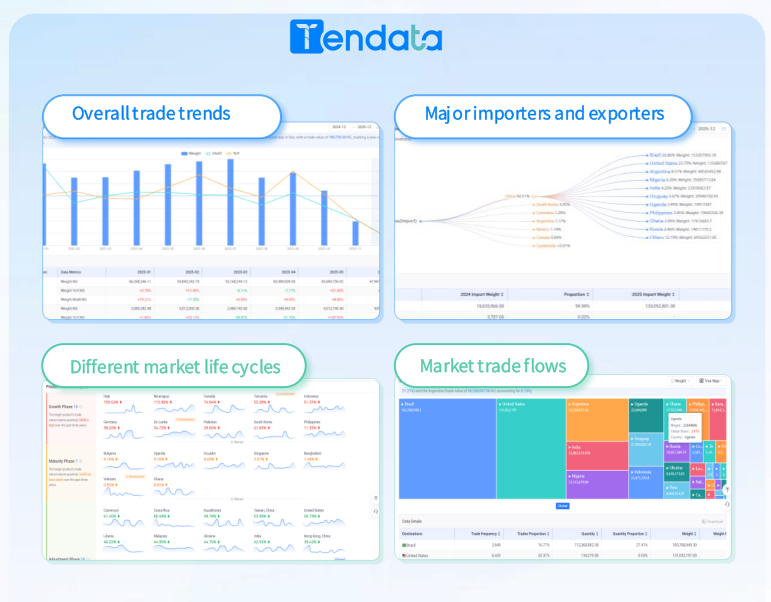
Imagine supply chains moving with the speed of a live stock ticker—real-time trade data is the game-changer that makes this possible. Instead of relying on outdated reports or quarterly updates, companies now tap into instant information flows about shipments, tariffs, and demand shifts, allowing them to pivot strategies at the moment a disruption hits. This immediacy transforms decision-making from a reactive process into a proactive one, where issues like port delays or sudden policy changes no longer cause chaos but are anticipated and managed seamlessly.
By integrating live trade insights, businesses can fine-tune inventory levels and logistics routes with unprecedented precision, minimizing waste and boosting efficiency. For instance, a retailer might use real-time data to reroute a shipment around a storm-stricken area, ensuring products arrive on time without costly oversupply or stockouts. This dynamic approach not only cuts operational costs but also enhances customer satisfaction by keeping supply chains agile and responsive to real-world fluctuations.
Beyond just avoiding pitfalls, real-time trade data opens doors to strategic opportunities that might otherwise go unnoticed, such as identifying emerging markets or optimizing supplier negotiations based on up-to-the-minute trends. It empowers companies to operate with foresight, turning raw data into actionable intelligence that drives smarter, faster decisions across the entire supply network.
Navigating Global Tariffs and Regulations with Accurate Customs Insights
Understanding the intricate web of international tariffs and regulations is no small feat for businesses operating across borders. Each country has its own set of rules, from import duties to product standards, and keeping up with changes can feel like navigating a maze blindfolded. Without precise customs insights, companies risk unexpected costs, delays, and even legal issues that can derail operations and harm profitability.
Accurate customs insights provide a clear roadmap through this complex landscape. By leveraging detailed data on tariff codes, trade agreements, and regulatory updates, businesses can make informed decisions about sourcing, pricing, and logistics. This proactive approach not only helps avoid pitfalls but also uncovers opportunities to optimize supply chains and reduce expenses, turning compliance into a competitive advantage rather than a burden.
In today's fast-paced global market, staying ahead means more than just reacting to changes—it requires anticipating them. With reliable customs intelligence, firms can adapt strategies swiftly, ensuring smooth cross-border transactions and fostering stronger international relationships. This agility is key to thriving in an environment where tariffs and regulations are constantly evolving.
Leveraging Historical Trade Trends for Competitive Market Analysis
Delving into historical trade data isn't just about looking back; it's about uncovering patterns that shape future market dynamics. By analyzing past import-export flows, tariff changes, and shifts in global supply chains, businesses can identify recurring cycles and anomalies. This deep dive helps in understanding how economic events, geopolitical shifts, or regulatory changes have historically impacted trade volumes and pricing, providing a solid foundation for anticipating upcoming market movements.
What sets this approach apart is its ability to pinpoint competitor vulnerabilities and opportunities often missed in surface-level analyses. For instance, tracking how rivals adapted to past trade disruptions—like sudden tariff impositions or supply chain bottlenecks—reveals their strategic resilience or weaknesses. This insight allows companies to craft more agile strategies, whether by diversifying suppliers, adjusting pricing models, or entering untapped markets based on historical successes or failures.
Moreover, integrating historical trends with real-time data transforms analysis from reactive to predictive. It's like having a seasoned navigator charting a course through choppy waters. By correlating past trade patterns with current market indicators, businesses can forecast demand shifts, optimize inventory, and mitigate risks before they escalate. This proactive stance not only enhances competitiveness but also fosters innovation, as lessons from history inspire new approaches to market entry and expansion.
Integrating Customs Data into Your Business Intelligence Tools
By merging customs data into your BI tools, you can unlock a wealth of insights that directly impact supply chain efficiency and compliance. Imagine tracking shipment trends, identifying bottlenecks at borders, and predicting tariff changes in real-time—all visualized through interactive dashboards. This integration allows for sharper forecasting, reducing delays and costs while helping businesses stay agile in a volatile global trade environment.
Customs data integration transforms raw numbers into actionable strategies, empowering teams to make informed decisions on logistics and risk management. For instance, analyzing historical clearance times can guide inventory planning, while monitoring import-export volumes aids in optimizing supplier relationships. With seamless data flow, companies gain a competitive edge, turning compliance from a burden into a strategic asset that drives growth and operational excellence.
Beyond mere reporting, this fusion of data enables predictive analytics, letting businesses anticipate market shifts and regulatory updates before they impact operations. It fosters a culture of data-driven decision-making, where every stakeholder, from procurement to finance, leverages insights to streamline processes and enhance transparency across the entire supply chain. In essence, it’s about turning customs insights into a proactive tool for sustainable business success.
Case Studies: Successful Trade Strategies Powered by Reliable Data
In today's fast-paced financial markets, access to accurate and timely data is no longer a luxury—it's the cornerstone of effective trading. Take the example of a hedge fund that leveraged real-time commodity price feeds to predict supply chain disruptions. By analyzing fluctuations in raw material costs before they hit mainstream news, the fund executed short positions that yielded substantial returns. This success wasn't about luck; it hinged on integrating diverse data sources, from satellite imagery tracking shipping lanes to weather forecasts impacting crop yields, to build a robust predictive model.
Another compelling case involves a currency trader who transformed their approach by incorporating geopolitical event data into algorithmic strategies. Instead of relying solely on technical indicators, they monitored social media sentiment and news alerts in emerging markets, identifying currency volatility triggered by political announcements. This proactive use of alternative data allowed for trades executed ahead of market reactions, resulting in a 15% increase in annual profits. It underscores how blending traditional financial metrics with unconventional insights can create a competitive edge, turning information into actionable intelligence.
Consider the journey of a retail investor who shifted from speculative bets to a data-driven portfolio. By utilizing historical performance analytics and economic indicators, they diversified into undervalued sectors poised for growth, such as renewable energy. Over two years, this systematic approach, supported by reliable market reports and trend analyses, led to a steady 12% return, outperforming broader indices. This story highlights that strategic success isn't reserved for institutional players—any trader can achieve it by grounding decisions in solid, verified information, fostering a more disciplined and profitable trading environment.
FAQ
Look for providers that offer real-time data updates, comprehensive coverage of countries, and user-friendly analytics tools to streamline trade decisions.
By analyzing customs data, businesses can identify patterns in delays or tariffs, allowing them to anticipate risks and adjust supply chains proactively.
You'll access details on port congestion, transit times, and duty rates across regions, helping to choose the fastest and most cost-effective routes.
They provide alerts and detailed reports on new tariffs or compliance requirements, ensuring you stay current with minimal effort.
Yes, by examining import trends and competitor activities in different regions, you can spot underserved markets or growing demand for your products.
Providers that source directly from official customs agencies and use advanced verification methods ensure higher accuracy, reducing errors in trade planning.
With affordable data tools, small firms can analyze trade flows to find niche opportunities or negotiate better terms with suppliers, leveling the playing field.
Conclusion
Navigating the complexities of global trade necessitates reliable customs data providers, which serve as essential guides for making smarter business decisions. When selecting a provider, it's crucial to evaluate key factors such as data accuracy, coverage, and real-time capabilities, as these directly impact supply chain efficiency. Real-time trade data transforms decision-making by offering live insights into shipments, delays, and market fluctuations, while accurate customs insights help businesses navigate tariffs and regulations across diverse regions. By leveraging historical trade trends, companies can conduct competitive market analysis, identifying patterns and opportunities that inform strategic planning. Integrating this data into business intelligence tools enhances operational workflows, enabling seamless data-driven actions.
Successful trade strategies are often powered by reliable data, as illustrated in case studies where companies have optimized routes, reduced costs, and gained market share through informed customs data usage. This holistic approach—combining real-time updates, regulatory compliance, trend analysis, and tool integration—empowers businesses to respond swiftly to global market changes and maintain a competitive edge. Ultimately, a comprehensive customs data provider equips organizations with the insights needed to mitigate risks, capitalize on opportunities, and foster sustainable growth in the ever-evolving trade landscape.
Contact Us
Contact Person: Grace
Email: [email protected]
Tel/WhatsApp: +86 18721992033
Website: https://www.tendata.com