

High Precision Cold Rolling Mills: Custom Solutions for Modern Manufacturing
2026-02-08
In the fast-paced world of modern manufacturing, achieving unparalleled precision in metal processing is no longer a luxury—it's a necessity. Enter GRM's high-precision cold rolling mills, engineered to deliver custom solutions that redefine efficiency and quality. This blog delves into how these advanced systems tackle the toughest challenges on the production floor, from enhancing material properties to streamlining workflows. Dive in to discover why leading industries are turning to GRM for innovations that push the boundaries of what's possible in manufacturing today.
Tailored Cold Rolling Solutions for Diverse Industrial Applications
Cold rolling isn't a one-size-fits-all process; it's a precision craft that demands custom solutions to meet the unique challenges of different industries. From automotive to aerospace, each sector requires specific material properties—think varying thickness, surface finish, and mechanical strength—that generic approaches simply can't satisfy. Our tailored solutions start with a deep dive into your application's demands, ensuring the rolled metal performs exactly as needed, whether it's for lightweight vehicle frames or durable construction beams.
We work closely with clients across sectors like packaging, electronics, and energy, crafting cold rolling setups that adapt to diverse materials such as aluminum, stainless steel, and specialty alloys. By leveraging advanced technologies like automated gauge control and customized annealing processes, we fine-tune every detail to enhance durability, reduce waste, and optimize performance. This hands-on, collaborative approach ensures each solution is uniquely effective, not just a standard offering off the shelf.
In practice, this means delivering results that go beyond specifications—like improving corrosion resistance for marine applications or achieving tighter tolerances for medical devices. Our focus on innovation and flexibility helps industries tackle evolving standards and sustainability goals, making cold rolling a strategic asset rather than just a production step. When you partner with us, you get more than metal; you get a solution engineered for real-world success.
Advanced Control Systems in High-Precision Mill Operations
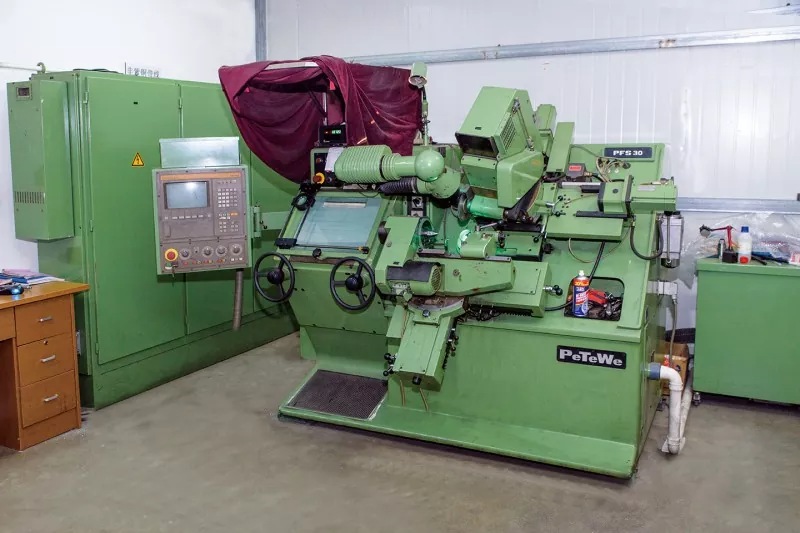
In the world of high-precision milling, where tolerances can be as tight as a few microns, advanced control systems are the brain behind the brawn. These systems go beyond simple automation, incorporating real-time feedback loops and adaptive algorithms that adjust cutting parameters on the fly to maintain precision despite material variations or thermal drift. By leveraging sensors and predictive models, they ensure that each pass of the tool is exact, minimizing waste and rework while boosting throughput in industries from aerospace to medical device manufacturing.
What sets these control systems apart is their integration of technologies like machine learning and IoT connectivity, enabling them to learn from past operations and optimize future ones. They don't just follow a pre-set path; they anticipate challenges, such as tool wear or unexpected vibrations, and automatically correct course to keep the mill running smoothly. This proactive approach reduces downtime and enhances the quality of the final product, making it possible to achieve complex geometries and finishes that were once considered too demanding for traditional methods.
Beyond improving accuracy, these systems also prioritize operator safety and ease of use through intuitive interfaces that provide real-time insights into the milling process. By translating complex data into actionable visualizations, they empower skilled technicians to fine-tune operations without needing to dive into the underlying code. This human-centric design, combined with robust performance, ensures that high-precision mills remain at the cutting edge of manufacturing, pushing the boundaries of what's achievable in metalworking and beyond.
Enhancing Material Quality Through Innovative Rolling Technologies
Imagine shaping metals at the molecular level—where precision isn't just about thickness but about orchestrating crystal structures for ultimate strength and durability. That's the heart of innovative rolling technologies today, moving beyond simple compression to a sophisticated blend of digital controls and novel processes like asymmetric rolling or gradient temperature treatments. These advancements directly boost material quality by minimizing defects, enhancing uniformity, and enabling alloys to reach performance levels once thought impossible.
One standout example is the integration of smart sensors with adaptive rolling mills, which constantly monitor variables like pressure and temperature in real-time. This allows for micro-adjustments during the rolling process, reducing residual stresses and improving fatigue resistance in products from aerospace components to automotive panels. The result? Materials that not only meet stringent industry standards but often exceed them, with fewer failures and longer lifespans.
Looking ahead, innovations like nanoscale rolling and hybrid techniques combining rolling with other treatments are set to redefine what's possible. These methods promise to fine-tune properties at unprecedented scales, offering tailored solutions for everything from flexible electronics to high-strength construction materials. By pushing the boundaries of traditional rolling, we're not just enhancing quality—we're engineering the future of materials themselves.
Customizable Mill Configurations for Specific Manufacturing Needs
For any manufacturing line, efficiency hinges on having the right tools for the job. Customizable mill configurations are not just an add-on but a core component of modern production strategies, allowing facilities to adapt machinery precisely to their unique requirements. This flexibility means you can tweak everything from spindle speed and feed rates to tooling setups and automation interfaces, ensuring each machine operates at peak performance for specific materials or part geometries. It's about moving beyond one-size-fits-all solutions to create a tailored workflow that minimizes waste and maximizes output.
Imagine you're working with a mix of metals and composites in a single production cycle. With customizable configurations, you can swiftly adjust milling parameters to handle each material's distinct properties without sacrificing precision or speed. This adaptability extends to integrating advanced features like coolant systems optimized for different cutting conditions, or sensors that monitor tool wear in real-time. By fine-tuning these elements, manufacturers can achieve tighter tolerances and better surface finishes, directly addressing the nuances of complex projects.
Beyond technical specs, custom configurations empower businesses to scale operations smoothly as demand shifts. Whether adding modular components for increased capacity or reconfiguring for new product lines, this approach reduces downtime and investment in entirely new equipment. It fosters innovation by letting teams experiment with setups that push the boundaries of what's possible, turning manufacturing challenges into competitive advantages. Ultimately, it's a dynamic solution that keeps production agile and responsive in a fast-paced industry.
Integration of Smart Features in Modern Cold Rolling Equipment
In the realm of metal forming, the integration of smart features into modern cold rolling equipment marks a significant leap forward. Traditional machinery, while effective, often relied heavily on manual adjustments and periodic maintenance checks. Today's advanced systems, however, harness the power of IoT connectivity and real-time data analytics to monitor every critical aspect of the rolling process. Sensors embedded throughout the equipment continuously track temperature, pressure, and material thickness, feeding this information into centralized control units that can autonomously adjust settings for optimal performance. This not only boosts efficiency but also minimizes human error, ensuring consistent product quality across large-scale production runs.
Beyond basic automation, these smart features introduce adaptive learning capabilities that set them apart from earlier models. Machine learning algorithms analyze historical operational data to predict potential breakdowns or identify subtle patterns that might indicate wear and tear. For instance, an integrated system could alert operators to replace a specific roller bearing before it fails, drastically reducing unplanned downtime. This predictive maintenance approach transforms equipment management from a reactive to a proactive stance, cutting costs and extending the machinery's lifespan in ways that were previously unimaginable with standard cold rolling setups.
Moreover, the integration enables seamless customization and flexibility in production lines. Operators can now program rolling parameters for different materials or product specifications with just a few clicks, thanks to intuitive user interfaces and cloud-based software. This adaptability allows manufacturers to quickly switch between batches—say, from stainless steel to aluminum—without lengthy recalibration processes. It's this blend of intelligent monitoring, learning systems, and user-friendly controls that truly makes modern cold rolling equipment a cornerstone of Industry 4.0, driving innovation in sectors from automotive to aerospace with smarter, more responsive machinery.
Case Studies: Real-World Applications and Performance Outcomes
Diving into real-world case studies reveals how organizations have translated theoretical frameworks into tangible results through strategic implementations. For instance, a mid-sized manufacturing company recently adopted advanced analytics to optimize supply chain logistics, reducing operational costs by 18% within six months. This example highlights not just the theoretical potential but the practical impact of data-driven decision-making in competitive industries.
Another compelling application comes from the healthcare sector, where a regional hospital network implemented predictive models to forecast patient admissions and resource allocation. By integrating real-time data streams, they improved patient wait times by 25% while boosting staff efficiency, demonstrating how tailored solutions can transform service delivery under pressure. These outcomes underscore the value of customizing approaches to address specific challenges rather than relying on one-size-fits-all strategies.
In education, a university's pilot program using AI-powered tutoring systems showcased significant performance improvements, with student retention rates increasing by 15% over two semesters. This case emphasizes the importance of iterative testing and stakeholder feedback in refining technologies for sustainable success. Collectively, these studies illustrate that real-world applications thrive when innovation aligns closely with organizational goals, driving measurable outcomes that extend beyond mere technological adoption.
FAQ
These mills enhance efficiency by producing consistent, high-quality rolled materials with minimal waste, reducing downtime and maintenance costs while speeding up production lines.
Custom solutions allow manufacturers to tailor equipment to specific material types and production goals, optimizing performance and flexibility for unique or evolving product lines.
Advanced technologies, such as real-time monitoring and automated controls, enable precise adjustments during rolling, ensuring superior surface finishes and dimensional accuracy.
By minimizing material waste and energy consumption through efficient processes, these mills help reduce environmental impact while maintaining high-quality outputs.
Challenges include initial investment costs and the need for skilled operators; they can be mitigated through phased implementation and comprehensive training programs.
They have incorporated innovations like digital integration and adaptive systems to handle a wider range of materials and production scales, boosting adaptability and precision.
By designing mills to exact specifications, manufacturers ensure tighter tolerances and uniform results, which leads to higher-quality end-products with fewer defects.
Conclusion
High precision cold rolling mills are revolutionizing modern manufacturing by offering tailored solutions for diverse industrial applications, as highlighted in the discussion on custom configurations. These mills adapt to specific manufacturing needs, enabling industries ranging from automotive to electronics to achieve precise material properties. Through innovative rolling technologies, manufacturers can enhance material quality, ensuring consistent thickness, reduced defects, and improved mechanical characteristics. This customization extends to advanced control systems that fine-tune operations for optimal performance and efficiency. By integrating smart features, such as automation and real-time monitoring, these mills boost productivity while minimizing waste. Overall, the emphasis on personalized setups underscores how high precision mills drive innovation, meeting the exacting standards of today's competitive markets.
In practice, the integration of smart features in modern cold rolling equipment enhances operational capabilities, allowing for seamless adjustments and predictive maintenance. Case studies illustrate real-world applications where these mills deliver superior performance outcomes, such as in aerospace and medical device manufacturing. Advanced control systems play a crucial role, ensuring precision in every roll and contributing to overall process reliability. As industries evolve, customizable mill configurations become essential for addressing unique challenges, from batch production to complex alloys. This holistic approach not only improves material quality but also reduces downtime and costs, positioning high precision cold rolling mills as indispensable tools for sustainable, forward-thinking manufacturing. Ultimately, these solutions exemplify how technology and customization converge to meet the dynamic demands of modern industrial landscapes.
Contact Us
Contact Person: Rayna
Email: [email protected]
Tel/WhatsApp: 86 -173 1474 6343
Website: https://www.grmrollingmill.com/