

Knife Valve Solutions: Revolutionizing Flow Control for Modern Industries
2025-12-27
In today's fast-paced industrial landscape, efficient flow control is more critical than ever. Enter knife valves—a technology that's transforming how industries manage fluids and gases with precision and reliability. At the forefront of this revolution is DRIFCO, a pioneer in delivering cutting-edge valve solutions tailored for modern challenges. This blog explores how knife valve innovations are setting new standards, driving productivity, and why DRIFCO stands out as a go-to partner for businesses seeking advanced, durable systems. Get ready to dive into a world where control meets innovation, and discover what makes these solutions indispensable for today's industries.
Cutting-Edge Innovations in Knife Valve Technology
Recent breakthroughs in knife valve design are pushing industrial efficiency to new heights. One key innovation is the integration of smart sensors and IoT connectivity, allowing valves to provide real-time data on performance, pressure, and flow rates. This enables predictive maintenance, reducing downtime and operational costs significantly. Materials science has also played a pivotal role, with advanced alloys and composite coatings enhancing durability in harsh environments like wastewater treatment and chemical processing.
Another cutting-edge development focuses on enhanced sealing mechanisms. Engineers have introduced self-adjusting seals that maintain tightness under fluctuating pressures, preventing leaks that can lead to safety hazards or product loss. These valves often incorporate modular designs for easier customization and installation, catering to niche applications such as abrasive slurry handling. This adaptability ensures they meet stringent regulatory standards while minimizing environmental impact.
Looking ahead, research into nanotechnology and 3D printing is set to revolutionize knife valve manufacturing. Prototypes with micro-engineered surfaces show reduced friction and improved flow control, leading to energy savings. By embracing these innovations, industries can achieve greater reliability and sustainability, making knife valves more versatile than ever before in pipelines and process systems worldwide.
Enhancing Efficiency Across Diverse Industrial Applications
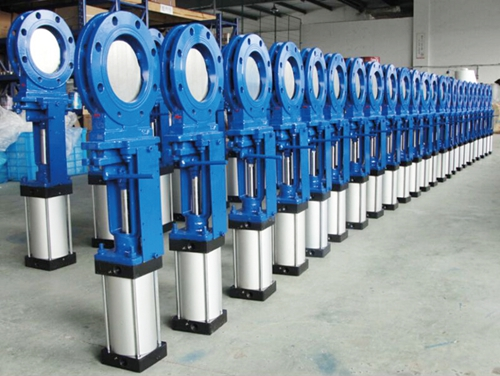
In today's fast-paced industrial landscape, boosting efficiency isn't just a goal—it's a necessity for staying competitive. From manufacturing plants to logistics hubs, companies are leveraging advanced technologies like IoT sensors and predictive analytics to streamline operations. These tools provide real-time insights, allowing teams to identify bottlenecks before they cause delays, ultimately cutting costs and improving throughput.
But it's not all about high-tech gadgets; sometimes, the simplest changes yield the biggest gains. Many industries are revisiting their core processes, adopting lean methodologies to eliminate waste and enhance workflow. For instance, in agriculture, precision farming techniques help optimize resource use, while in healthcare, streamlined patient management systems reduce wait times, showcasing how tailored approaches can transform diverse sectors.
The real magic happens when collaboration meets innovation. Cross-industry partnerships are driving new solutions, such as shared platforms for supply chain logistics that improve transparency and speed. By fostering this synergy, businesses can adapt more quickly to market demands, proving that efficiency isn't a one-size-fits-all concept but a dynamic journey of continuous improvement across varied industrial applications.
Customized Designs for Unique Operational Challenges
In today's fast-paced business landscape, every organization faces distinct operational hurdles that demand tailored solutions. Customized designs are not just about adapting off-the-shelf tools; they involve a deep dive into specific workflows, identifying bottlenecks, and crafting strategies that align precisely with unique challenges. This approach ensures efficiency and scalability, empowering companies to navigate complexities with agility.
By focusing on customization, businesses can transform obstacles into opportunities for innovation. Whether it's streamlining supply chains or enhancing customer interaction models, bespoke designs integrate seamlessly with existing systems, reducing friction and boosting overall performance. This targeted methodology prioritizes adaptability, allowing for quick adjustments as operational needs evolve over time.
Moreover, customized designs foster a culture of problem-solving and resilience. They enable teams to tackle niche issues head-on, using data-driven insights to inform decisions and drive sustainable growth. As a result, organizations not only overcome immediate challenges but also build a foundation for long-term success in an ever-changing environment.
Maintenance and Durability Advantages in Harsh Environments
In tough conditions like industrial deserts or marine settings, systems designed for durability often outlast their standard counterparts, dramatically cutting long-term maintenance costs. Instead of frequent repairs, these robust setups may only need occasional checks, which saves not just money but also reduces downtime. This resilience stems from materials and engineering choices that resist corrosion, temperature extremes, and physical wear.
Building for harsh environments isn't just about withstanding abuse; it's about smart design that anticipates failure points. For example, sealed components or advanced coatings can prevent moisture ingress, while modular parts allow quick swaps without overhauling the entire system. This proactive approach means fewer surprises and more predictable performance, even when conditions turn unpredictable.
Ultimately, choosing a solution with durability in mind transforms maintenance from a chore into a strategic advantage. In remote or hazardous areas, where access is limited or risky, this reliability ensures continuous operation and safety. It's an investment that pays off through extended service life and peace of mind, making it a clear win for any operation facing environmental challenges.
Key Features Driving Modern Flow Control Solutions
Gone are the days when flow control simply meant opening or closing a valve—today's systems are defined by their intelligence and adaptability. At the heart of this shift is the integration of smart sensors and IoT connectivity, allowing real-time monitoring and predictive analytics that preempt disruptions before they escalate. These features enable industries from water management to oil and gas to optimize resource allocation, reduce waste, and enhance operational resilience by responding dynamically to fluctuating demands and environmental conditions.
Another standout aspect is the emphasis on modularity and interoperability, which breaks down silos between different control components. Modern solutions are designed to be plug-and-play, supporting seamless communication across diverse hardware and software platforms without requiring extensive custom coding. This flexibility not only slashes installation and maintenance costs but also future-proofs infrastructure, as upgrades or expansions can be integrated smoothly without overhauling entire systems.
Energy efficiency has emerged as a critical driver, with innovations like low-power electronics and advanced materials reducing the overall footprint. By leveraging data-driven insights, these systems can fine-tune flow rates to match precise needs, minimizing energy consumption while maintaining peak performance—a balance that was once hard to achieve. Whether it's in industrial automation or smart city applications, this focus on sustainability and cost savings ensures that modern flow control isn't just effective but also responsible and forward-thinking.
Real-World Impacts on Productivity and Cost Savings
In practice, the tangible benefits of innovative solutions often boil down to two critical metrics: productivity gains and cost reductions. Companies implementing streamlined workflows, for instance, might see employees reclaim hours previously lost to administrative tasks. This newfound time translates directly into enhanced output, whether it's more client projects completed, faster turnaround on deliverables, or improved service quality. The ripple effect can be substantial, fostering a more agile and responsive organizational culture.
Beyond mere efficiency, these impacts often manifest in significant financial savings. By automating repetitive processes or optimizing resource allocation, businesses can slash operational expenses. Picture a manufacturing firm that adopts predictive maintenance tools, reducing unexpected downtime and prolonging equipment lifespan. These savings aren't just one-off fixes but compound over time, freeing up capital for strategic investments like R&D or market expansion.
What sets this apart is how these benefits interweave, creating a virtuous cycle. Higher productivity doesn't just cut costs in isolation—it can drive revenue growth by enabling teams to tackle more complex, value-added work. Meanwhile, cost savings from leaner operations can be reinvested into training or technology, further boosting productivity. This synergy ensures that organizations aren't just surviving but thriving in competitive landscapes, making every dollar and minute count toward sustainable success.
FAQ
Knife valves feature a sharp-edged blade that cuts through viscous fluids, unlike ball or gate valves. This unique design allows for superior handling of thick media like slurries, without clogging or excessive wear.
They streamline flow by minimizing pressure drops and enabling quick shut-off. This reduces downtime for maintenance and enhances overall system throughput, often cutting costs by up to 20% in sectors like mining or wastewater treatment.
Yes, industries such as pulp and paper, chemical processing, and oil sands extraction rely on knife valves. Their ability to handle abrasive and high-solid content materials makes them indispensable where other valves fail quickly.
Recent advancements include self-cleaning mechanisms, corrosion-resistant alloys, and automated actuators. These features improve durability and allow for remote monitoring, boosting safety and adapting to smart factory trends.
Challenges include retrofitting for compatibility and ensuring proper sealing under varying pressures. Solutions involve custom sizing and consulting with specialists to optimize performance without major system overhauls.
Their robust construction typically extends service life by 30-50% compared to standard valves. This lowers replacement frequency and maintenance expenses, providing significant ROI through reduced equipment failures and energy losses.
Conclusion
The article "Knife Valve Solutions: Revolutionizing Flow Control for Modern Industries" explores how these specialized valves are transforming industrial processes with cutting-edge innovations in technology. By integrating advanced materials and smart design features, knife valves now offer unparalleled precision, enabling smoother and more reliable flow management across various sectors. Key features driving modern solutions include enhanced sealing mechanisms and automated controls, which not only optimize performance but also reduce operational downtime. This evolution is particularly evident in diverse industrial applications, from chemical processing to wastewater treatment, where knife valves enhance efficiency by handling abrasive and viscous fluids with ease.
Moreover, the article highlights the practical benefits of these solutions, such as customized designs tailored to unique operational challenges, allowing businesses to adapt to specific environmental or production demands. Maintenance and durability advantages shine in harsh environments, as knife valves are built to withstand extreme conditions, minimizing wear and tear. Real-world impacts on productivity and cost savings are significant, with industries reporting reduced energy consumption, lower maintenance costs, and improved safety. Overall, knife valve solutions represent a revolutionary step in flow control, offering a blend of innovation, customization, and resilience that addresses the complex needs of today's industries while fostering sustainable growth and operational excellence.
Contact Us
Contact Person: George
Email: [email protected]
Tel/WhatsApp: 13863633883
Website: https://www.es-fire.com