

LED Therapy Manufacturer: How to Choose a Reliable Partner for Light-Based Devices
2026-08-19
Finding a trustworthy partner for LED therapy devices can feel like navigating a maze of flashy specs and empty promises. Whether you're sourcing for a clinic, a wellness brand, or a private-label line, the wrong choice often surfaces months later—as inconsistent wavelengths, overheating panels, or vague compliance paperwork. At GUANG TAI, we've seen too many buyers prioritize upfront cost over measurable light output and long-term reliability, only to end up with devices that disappoint both practitioners and end users. But there’s a smarter way to vet a manufacturer—one that starts with knowing exactly which technical details signal genuine engineering strength and which merely pad a brochure. This guide cuts through the noise and gives you the practical checklist to separate a dependable production partner from a risky gamble.
Reading Past the Marketing Claims of LED Therapy Manufacturers
Most LED therapy brands lean hard on numbers that sound impressive in isolation—irradiance levels, wavelengths, diode counts—but rarely explain how those specs interact in real use. A panel might boast 100 mW/cm² at the surface, yet drop to a fraction of that at the skin if the device is designed to be held inches away. Instead of accepting peak figures, ask for the measured dose at the distance the manufacturer actually recommends.
Wavelength claims deserve the same scrutiny. A 660 nm red diode and an 850 nm near-infrared diode don't simply "work better" together because the brochure says so; the tissue depth and absorption profile change with skin tone, fat thickness, and even hydration. If a company won't publish spectral output graphs or third-party verification, the marketing copy is doing the heavy lifting.
Finally, watch for studies cited on product pages that were run with different equipment, different treatment times, or different endpoints than what the device provides. Many LED masks and panels cite clinical literature on professional-grade lasers or high-dose photobiomodulation, then imply their lower-powered device delivers the same result. Comparing actual energy delivery per session—not just the presence of red or near-infrared light—is usually where the claims start to unravel.
When Prototype Quality Meets Mass Production Realities
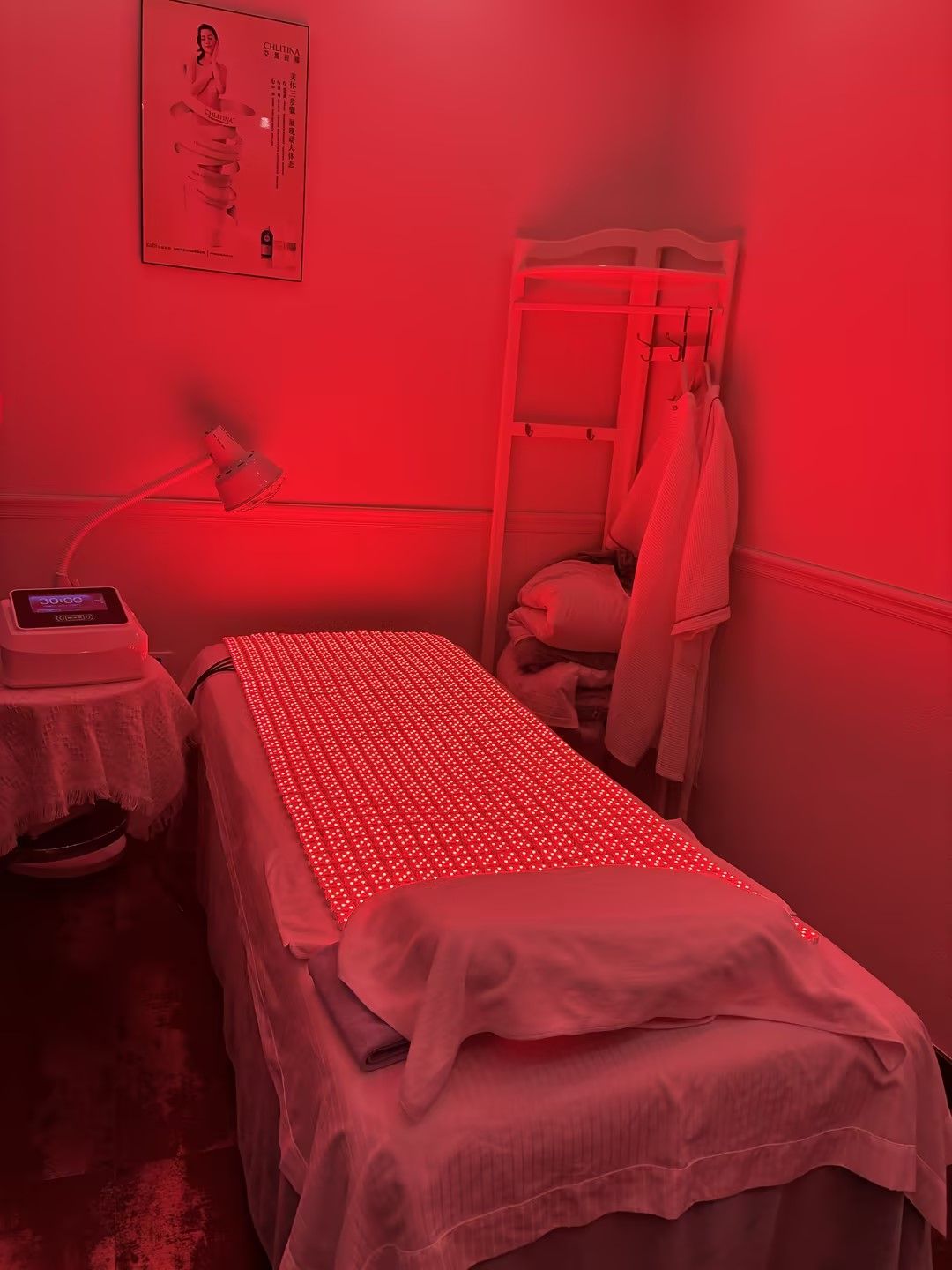
A hand-built prototype can hide a thousand small sins. The engineer tweaks a fit by feel, the machinist fudges a tolerance, the assembler knows exactly which screw needs an extra quarter turn. None of that survives contact with a production line. Once tooling is cut and fixtures are locked, every deviation becomes a hard number on a control chart—and the gap between what you showed the board and what the factory actually ships can be brutal.
The mismatch rarely shows up in the CAD model or the spec sheet. It lives in the thermal drift of an injection mold at hour six, in the batch-to-batch variation of a plating vendor, in the way a new operator interprets “light press fit” differently from the engineer who wrote the drawing. Mass production doesn’t just replicate your prototype; it exposes every assumption you baked into it that nobody questioned when there was only one unit on the bench.
Closing that gap means designing for the process, not for the golden sample. It means testing at the edges of your tolerance stack before the first purchase order, and building a feedback loop where floor data rewrites the spec instead of being quietly ignored. The companies that handle this well treat the shift from prototype to production as a redesign phase in its own right—one where the goal isn’t to prove the concept, but to make it boring enough to build ten thousand times.
Certifications That Actually Guard Your Light-Based Device Supply
Most buyers assume any certificate with a CE mark or an ISO number means their LEDs or laser modules are safe. That assumption collapses the first time a batch of fiber-optic transceivers overheats or a laser diode fails an eye-safety audit. The certifications that actually protect your supply chain are the ones tied to specific test reports, not just a registration number. Look for IEC 62471 photobiological safety classifications issued by an accredited lab, and for IEC 60825 laser class labels that match the exact model and firmware version in your shipment. A generic certificate for a product family is often a red flag.
Beyond safety marks, insist on traceability documentation. UL or ETL certification means little if the listed factory differs from the one actually producing your order. Ask for an ISO 9001 certificate that includes the manufacturing site's address and scope statement covering optical components. Then cross-check that site against the factory audit report. Many low-cost suppliers will show an ISO certificate from a sister company or an expired audit, which is a common trick. When you see a test report from an independent lab like TÜV Rheinland or Intertek, verify the report number directly with the lab. This step alone filters out a large share of fake or outdated certifications.
Environmental compliance matters too, but only when it is enforced by your own incoming inspection. RoHS and REACH declarations are often copied and pasted without any analytical data. Require third-party XRF or chemical test reports for each homogeneous material in your light-based device—especially solder, phosphor coatings, and plastic housings. If a supplier resists sharing those raw reports, treat that as a bigger warning than a missing logo. The right paperwork not only guards against customs holds and fines, it also signals that the supplier has nothing to hide about their real production process.
Tailoring Wavelengths, Housings, and Firmware Without the Friction
Most customization requests stall the moment they hit the engineering queue: a tweak to the spectral output means re-spinning optics, a new housing shape triggers tooling delays, and a firmware revision drags through several approval cycles. This process leaves teams choosing between waiting weeks for a bespoke unit or settling for an off-the-shelf part that only partially fits the application.
Here, those three layers move in parallel instead of in sequence. A configurable wavelength engine lets you shift peak output across a wide range without touching the physical design, while modular housing options cover different thermal and environmental demands without new molds. Firmware adjustments, from dimming curves to communication protocols, are handled through a simple parameter change rather than a full rewrite. The result is a build that matches the original intent—not a compromise that has to be explained away.
Post-Sale Support: The Overlooked Test of a Device Partner
Most procurement teams focus on specs and unit pricing, but the real test of a device partner shows up after the hardware is installed. When a scanner fails on a warehouse floor or a payment terminal goes dark mid-transaction, what matters is how quickly the vendor responds, whether replacement parts are actually in stock, and if their support engineers can diagnose the issue without a script. Those moments reveal far more than any pre-sale demo.
Plenty of suppliers invest heavily in winning the deal, then hand the account to a junior support desk with long hold times and disjointed ticket systems. A dependable partner treats post-sale service as a core deliverable, not a cost to be minimized. They monitor device fleets proactively, flag battery degradation or firmware drift before it causes downtime, and make it easy to reach someone who understands the equipment.
If you are evaluating device partners, ask to speak with customers who have been through a major incident, not just those with smooth deployments. A single unresolved outage can erase months of negotiated savings. Post-sale support is not an afterthought; it is the clearest signal of whether a vendor stands behind its products or just its sales pitch.
R&D Agility: Staying Current With LED Therapy Trends
Keeping a device line fresh in the LED therapy space means treating the R&D cycle as a living process, not a fixed gate. We run short, focused sprints whenever new wavelength studies or user-reported skin responses surface, folding that data into prototypes within weeks instead of quarters. That pace lets us test small hardware adjustments—like tweaking the 633 nm output or adding a pulsed mode—before competitors have finished their next catalog refresh.
Much of our agility comes from maintaining a shared component library and modular light engine design. Instead of redesigning from scratch for every trend, the team swaps in validated LED arrays, drivers, or diffusers based on what the latest dermatology conferences are discussing. If a clinical poster shows better penetration from a specific near-infrared band, we can run a bench comparison against our existing boards and decide within days whether it merits a pilot batch.
Staying current also means listening to estheticians and home users who notice things formal studies miss. We keep a direct feedback channel for early testers, and their notes on heat comfort or treatment time often shape the next firmware update. That loop—bench testing, real-world notes, then a quick re-spin—keeps our LED portfolio aligned with what people actually want, without chasing every passing fad.
FAQ
Ask for spectral test reports from independent labs, not just marketing claims. A reliable partner will share irradiance measurements at specific distances and note the tolerance range for wavelengths like 633nm or 830nm. If they dodge those details, that is a red flag.
Look for in-house optical design and thermal management expertise. A manufacturer that designs its own LED arrays, controls heat buildup, and tests output over time shows engineering depth. Assembly-only shops often cannot explain why their devices will not degrade after six months.
LED therapy devices generate heat and come into contact with skin. Medical-grade silicone or anodized aluminum housings resist wear, are easy to disinfect, and do not leach chemicals. Cheap plastics can warp, discolor, or even crack near the light source, which shortens lifespan and creates safety issues.
It is often the difference between a smooth rollout and a stalled clinic launch. A reliable manufacturer offers firmware updates, replacement modules, and responsive technical support, not just a warranty card. Ask how quickly they ship replacement parts and whether they have regional service centers.
Inquire about batch testing and traceability. You want to know if each unit receives the same intensity calibration or if it is only a sample test. Ask for the lot-level quality reports. Consistent output across devices prevents one patient getting weaker treatment than another.
Definitely. Customs duties, voltage adapters, extended warranties, and proprietary software licenses can add up. Some manufacturers also charge extra for CE or FDA documentation that should be included. Get a full cost breakdown upfront, including shipping insurance and lead times.
Ask for concrete examples of past submissions, like a 510(k) summary or technical file for the EU MDR. A firm that talks in generalities likely has not completed the process themselves. Also check whether their labeling and user manuals match the required language and symbol standards.
Conclusion
Choosing a reliable LED therapy manufacturer means looking beyond polished marketing sheets. Many suppliers list the same wavelengths and irradiance numbers, but the real difference emerges when you ask how those specs hold up in production. A prototype that performs flawlessly in a lab often loses consistency once tooling shifts or component batches change. You need a partner who can match early samples with mass-produced units, not just promise it. Certifications matter, but only if they apply to the actual device you will receive—not a similar model from years ago. Ask for full test reports, traceability of LEDs, and proof that safety and EMC certifications remain valid for your exact configuration. This kind of scrutiny filters out resellers and keeps you aligned with manufacturers who understand light-based device compliance.
Beyond hardware, the right partner should handle customization without adding months of back-and-forth. Whether you need a specific 630/830 nm ratio, a custom aluminum housing, or firmware that adjusts pulse timing, the process should feel like a conversation, not a contract negotiation. Post-sale support is where many relationships fail—warranty terms, spare part availability, and technical responses after the invoice matter more than the initial quote. Finally, watch how the manufacturer tracks clinical trends. If they can quickly adapt to new research on photobiomodulation or update firmware for revised dosing protocols, you have a partner that will keep your product relevant. A dependable LED therapy supplier is not just a vendor; it is an extension of your R&D and quality team.
Contact Us
Contact Person: Leon Yi
Email: [email protected]
Tel/WhatsApp: +86 17363316873
Website: https://zzgt.en.alibaba.com/