

Melamine Cyanurate Exporter Vendor Evaluation for Reliable Sourcing
2026-11-16
Sourcing melamine cyanurate that actually performs as promised isn’t just another procurement checkbox—it’s where supplier claims meet flame-retardant reality. A single inconsistent batch can stall production, erode customer trust, and quietly eat into margins. That’s why structured vendor evaluation for MCA exporters matters more than ever. In this guide, we break down the practical checks, red flags, and negotiation levers you need, drawing on insights from X.X.F.R’s sourcing playbook, so you can secure consistent quality without guesswork.
What Most Buyers Overlook When Auditing a Melamine Cyanurate Exporter
Most buyers head into a melamine cyanurate audit with a checklist of price, capacity, and certificates. What they rarely do is walk the grinding line and ask for the last three months of particle size data. MCA performance in nylon depends heavily on consistent D90, not just average particle size. An exporter with aging air-jet mills or outsourced grinding will show wide swings between batches, and that directly translates to uneven flame retardancy in your molded parts. Ask to see the actual laser diffraction reports, not a summary table.
Another blind spot is residual monomer control. Melamine cyanurate can carry unreacted melamine or cyanuric acid, and small amounts will cause gas marks or die build-up during compounding. Buyers often accept a certificate that says 99% purity without asking which analytical method was used. Kjeldahl nitrogen conversion can mask impurities that a proper HPLC method would flag. Require the HPLC chromatogram and pay attention to unknown peak area, not just the headline purity number.
Traceability gets checked on paper but rarely tested under pressure. An exporter may hold a valid REACH or RoHS report, yet have no system linking each shipment to the raw material lots it used. If a quality dispute arises, you need the batch-to-lot mapping within a day or two, not a vague promise. Push for a documented raw material traceability matrix and ask how quickly they can retrieve it. The ones who hesitate are the ones who will leave you stranded when something goes wrong.
The Batch-to-Batch Consistency Trap in Melamine Cyanurate Sourcing
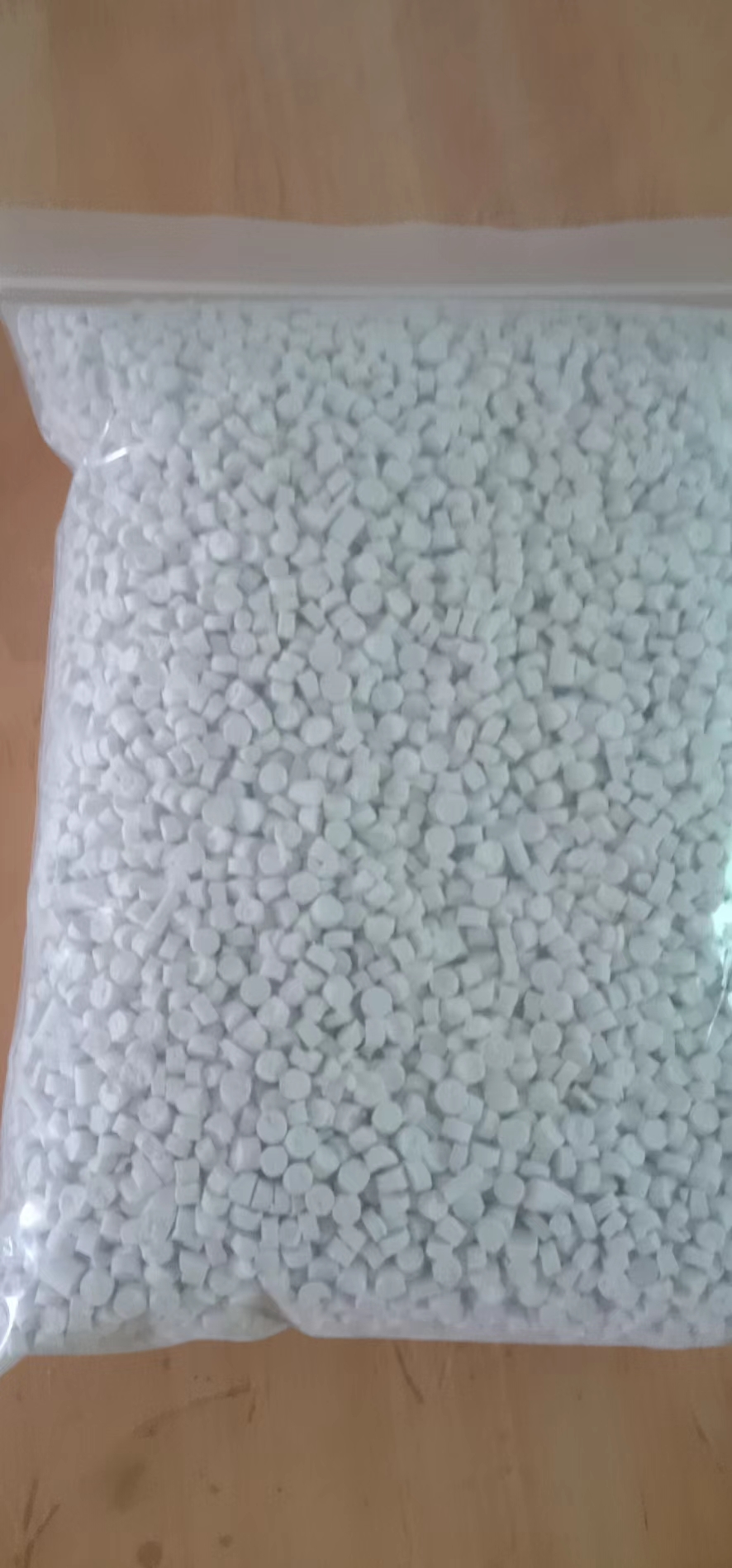
The real problem with melamine cyanurate rarely shows up in a certificate of analysis. A supplier can send a flawless 5 kg sample, and the plant still ends up with extrusion surging or press sticking once the first container arrives. This gap between qualification lots and production lots is where batch-to-batch inconsistency hides, and it costs far more than the price difference between suppliers.
What drifts from lot to lot is often invisible without the right tests. Free melamine residue may climb just enough to cause die buildup or surface bloom in PA66 parts. Particle size distribution can broaden, changing how the powder disperses in the melt and making flame retardancy uneven at thin sections. Even a subtle shift in the melamine-to-cyanuric acid ratio alters thermal stability, yet many standard spec sheets only report a wide range that misses these shifts.
Escaping this trap means treating MCA supply as a statistical problem, not a transactional one. Ask for batch history or control charts for the parameters that matter to your process, and build a quick incoming check around melt flow, color, and thermal gravimetric profile. A supplier that cannot show tight, repeatable data across multiple production runs is likely to transfer that variability directly into your compounding line.
How to Verify a Melamine Cyanurate Vendor's Regulatory Claims Without a Lab
Rather than accepting a certificate of compliance at face value, request the underlying test reports referenced in the document. A legitimate regulatory claim for melamine cyanurate—whether it covers RoHS, REACH, or halogen-free status—should trace back to an ISO/IEC 17025-accredited lab report. Ask for the full PDF, not just a summary table, and check the accreditation number against the issuing body's public directory. Look for alignment between the report's sample identifier, production lot, and the vendor's batch records. Discrepancies in dates, product names, or test methods often indicate a reused or fabricated certificate.
Cross-check the technical parameters against known data for melamine cyanurate. If a vendor claims exceptionally low free melamine content or unusually high thermal stability, compare those figures with typical ranges published in peer-reviewed papers or by established chemical producers. Ask what analytical method was used and what the limit of detection is. A claim that looks too clean—such as “zero heavy metals” without a defined detection threshold—should prompt a request for the original chromatograms or spectroscopy files. These underlying data can be reviewed by a chemist without running a new lab test.
Verify the vendor's legal standing in the relevant regulatory frameworks. For the EU market, ask whether the product has been registered under REACH and request the registration number or a letter of access from the lead registrant. For the U.S., confirm the substance appears on the TSCA inventory under its CAS number and that there are no active significant new use rules. You can also contact the vendor's stated third-party certifier to confirm the certification is current and covers the specific grade you are purchasing. This documentation trail often reveals gaps that a simple certificate summary hides.
The Real Cost of Cheap Melamine Cyanurate Offers from Unproven Exporters
When a shipment of melamine cyanurate arrives at half the usual price, the savings can feel like a win before production even starts. But that discount rarely survives contact with the production line. Lower-priced MCA from exporters without a verifiable track record often carries inconsistent particle size distributions, residual impurities, or uneven nitrogen content. These aren’t abstract concerns—they translate directly into flame-retardant formulations that underperform, cause processing issues, or fail final testing.
The real expense shows up later. Batches that vary from spec force rework, extra quality-control sampling, and sometimes complete rejection of compounded material. You end up paying for the same material twice: once for the cheap product, and again for the downtime, lab fees, and replacement stock. In industries where UL 94 ratings or other safety certifications hang in the balance, a single failed lot can delay shipments and damage relationships with downstream customers who trusted your consistency.
Then there is the cost that doesn’t appear on any invoice: time spent chasing documentation, verifying certificates of analysis that don’t match the actual powder, and managing disputes across time zones. Proven exporters charge more because they invest in process control, traceability, and responsive support. The cheapest offer is rarely the most economical once the full lifecycle of procurement, production, and customer assurance is taken into account.
Why Your Melamine Cyanurate Supplier's Logistics Partner Matters More Than You Think
Melamine cyanurate sits at a tricky intersection of chemistry and customs. It's not classified as hazardous in most regions, but it's also not the kind of powder you can toss in a standard container and forget about. Moisture, temperature swings, and rough handling during transshipment can quietly degrade its flame-retardant performance. When your supplier's logistics partner treats it like just another sack of industrial filler, you'll only find out after the batch fails a burn test on your production line. The real cost isn't the freight — it's the line shutdown while you scramble for a replacement.
A logistics partner who actually knows melamine cyanurate will insist on lined containers, palletized loads with moisture barriers, and routing that avoids long dwell times at humid ports. They'll flag a vessel change before it happens, not after your cargo sits in Singapore for nine days. That kind of proactive communication matters more than a slightly lower rate per kilogram, because the product itself is stable only when the journey is controlled. You're not just buying a white powder; you're buying the certainty that it arrives with the same particle size distribution and nitrogen content it had when it left the plant.
Most procurement teams compare suppliers on spec sheets and price. Few dig into the freight forwarder's track record with heat-sensitive, moisture-sensitive specialty chemicals. That's a blind spot. The supplier with the boring, methodical logistics arm will quietly save you from batch rejections, insurance claims, and the awkward phone call to your own customer about a delayed order. In a market where everyone claims 'consistent quality,' the logistics partner is often the difference between a supplier you tolerate and one you actually trust with repeat orders.
Turning a Trial Order into a Long-Term Melamine Cyanurate Supply Relationship
A first container of melamine cyanurate rarely tells the whole story. What matters is what happens after the bags are unloaded: whether the particle size stays within spec from lot to lot, whether moisture levels hold steady in humid conditions, and whether the supplier answers technical questions without making you chase them. These small consistencies are what push a cautious trial into a second order, then a quarterly schedule.
Long-term supply relationships often grow out of one honest conversation about a failed batch or a delayed shipment. A supplier who admits a mistake, explains the root cause, and adjusts the process earns more trust than one who only sends polished certificates. Over time, buyers start sharing forecast data, and the supplier can hold safety stock or adjust production runs, reducing lead times on both sides.
Price always matters, but in melamine cyanurate it is rarely the deciding factor after the first few orders. What keeps a buyer from switching is the confidence that the next lot will behave exactly like the last one in their compounding line. When that confidence exists, the relationship shifts from transactional to collaborative, and the original trial order becomes a footnote in a much longer purchasing history.
FAQ
Start with production consistency and technical capability. Verify that the exporter either operates its own facility or has long-term contracts with audited manufacturers, and ask for recent batch testing data rather than generic brochures.
Request a retained sample from the last three production runs and have it tested independently for nitrogen content, residue on ignition, and particle size distribution. Compare those results against your own specifications, not just the supplier's certificate of analysis.
Look for ISO 9001 at minimum, but more importantly ask for REACH registration if shipping to Europe, TSCA compliance for the United States, and a safety data sheet that matches the actual product grade. Export licenses and past bill of lading copies also help separate active exporters from trading agents.
The biggest risks involve raw material availability for melamine and cyanuric acid, port delays during peak shipping seasons, and inconsistent moisture levels if packaging is not vacuum-sealed. A reliable vendor should share a contingency plan for each of these rather than promising zero issues.
Break down the quote into product cost, packaging, inland freight, ocean freight, and insurance. If the product cost is well below the regional average for the same purity, ask for a cost breakdown and a live video tour of the warehouse or loading area. Legitimate exporters can explain why they are cheaper; others will only repeat the price.
Moisture absorption is the main threat. Use 25 kg bags with an inner polyethylene liner, then place them on fumigated pallets and shrink-wrap the entire load. Ask the exporter to provide photos of the palletization and a moisture barrier test report before shipment.
Yes, and it is often the fastest way to expose hidden problems. A trial order of one to five metric tons, shipped under the exact same Incoterms and packaging as future orders, shows how the exporter handles documentation, customs clearance, and after-sales communication.
Track a simple scorecard for each delivery: on-time rate, certificate of analysis accuracy, packaging damage rate, and response time to technical questions. Review it quarterly with the exporter and link renewal decisions to measurable results rather than relationship alone.
Conclusion
When evaluating a melamine cyanurate exporter, most buyers focus on unit price and basic compliance documents, yet they often miss operational signs that separate stable suppliers from risky ones. A common oversight is failing to examine batch-to-batch consistency beyond a single certificate of analysis. Request retained samples from several production runs and compare particle size distribution, purity, and moisture content; a vendor that cannot provide this history may be blending materials from multiple sources. Regulatory claims deserve similar scrutiny. Without a lab, you can still verify environmental and safety statements by asking for the full documentation chain—such as REACH or RoHS declarations, third-party audit reports, and production flow charts—rather than accepting a logo on a PDF. Cheap offers from unproven exporters frequently hide problems like inconsistent crystal morphology or residual melamine, which later cause bloom or dispersion failures in your final product. Logistics partners also matter more than many buyers admit. An exporter that works with careless freight forwarders risks contamination, moisture ingress, or customs delays, so check how the shipment is packed, sealed, and tracked from warehouse to port.
A trial order is more than a sample test; it is a test of the exporter's entire system. Before placing even a small order, define clear acceptance limits for key parameters and agree on how deviations will be handled. Watch how the vendor responds when you ask about a minor quality issue or a documentation gap—do they provide a root cause analysis and a corrective action plan, or do they simply offer a discount? Vendors who treat the trial as a one-time transaction rarely become reliable long-term partners. To build a durable supply relationship, schedule periodic quality reviews, share your downstream processing requirements, and require notification before any raw material or process change. This approach turns sourcing from a gamble into a controlled process, reducing the hidden costs of rework, rejected batches, and production downtime. In the end, the most reliable melamine cyanurate exporter is not the one with the lowest quote, but the one whose documentation, batch records, logistics discipline, and post-sale communication all point to a stable and transparent operation.
Contact Us
Contact Person: Guohua Wang
Email: [email protected]
Tel/WhatsApp: 8613003442895
Website: https://www.xxflameretard.com