
Nonylphenol Factory Impact: Environmental and Health Risks Explained
2026-03-06
In the world of industrial chemicals, few substances carry the weight of concern that nonylphenol does. As factories continue to produce this compound for use in everything from detergents to plastics, the environmental and health risks it poses are becoming increasingly clear—and alarming. But understanding these risks isn't just about raising awareness; it's about finding solutions that protect our ecosystems and communities. At POLYKEM, we believe that knowledge is the first step toward meaningful change. This blog post dives deep into the real-world impact of nonylphenol factories, from contaminated waterways to potential human health effects, and explores how innovative approaches can mitigate these dangers. Why should you care? Because the choices we make today shape the world we'll live in tomorrow. Join us as we unpack the science, highlight the stakes, and discuss what we can do together to forge a safer, cleaner future.
What is Nonylphenol and How Does a Factory Produce It?
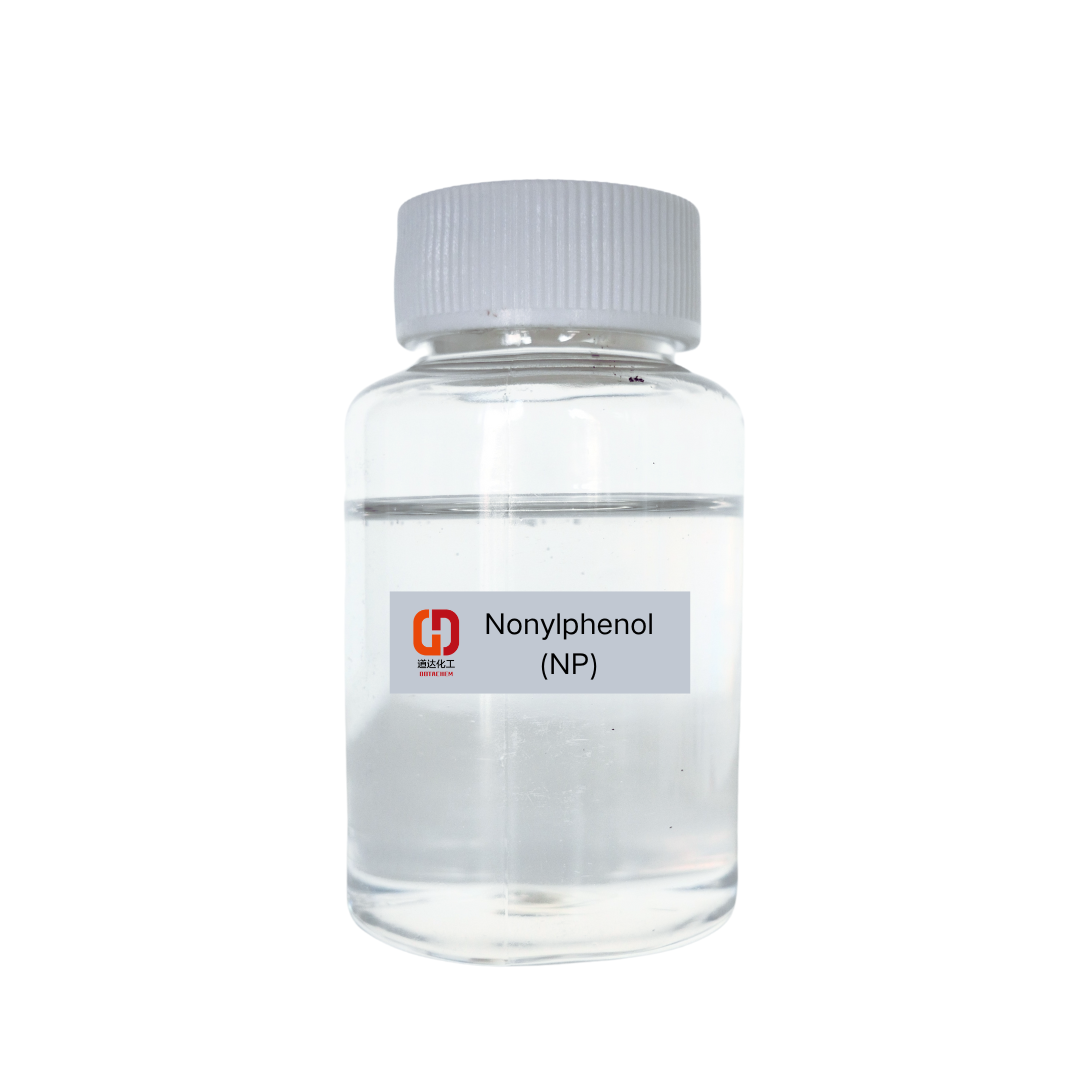
Nonylphenol is a chemical compound often used in the production of detergents, emulsifiers, and industrial cleaners. It's derived from phenol through an alkylation process, where a nonyl group is attached to the phenol molecule. This results in a substance with both hydrophobic and hydrophilic properties, making it effective in breaking down oils and fats. However, nonylphenol has raised environmental concerns due to its persistence and potential endocrine-disrupting effects, leading to stricter regulations in many countries.
In a factory setting, nonylphenol is typically manufactured through a batch or continuous process involving the reaction of phenol with nonene, a type of alkene. The production often starts by sourcing raw materials like phenol and nonene, which may be obtained from petrochemical refining. These are then fed into a reactor vessel under controlled conditions, such as elevated temperatures and pressures, often in the presence of a catalyst like aluminum chloride or sulfuric acid. This facilitates the alkylation reaction, forming nonylphenol as the primary product.
After the reaction, the mixture undergoes several purification steps to isolate nonylphenol and remove impurities or by-products. This might include distillation, filtration, or washing processes to ensure the final product meets specific purity standards. The purified nonylphenol is then cooled, stored, and packaged for distribution. Factories must adhere to safety protocols due to the hazardous nature of the chemicals involved, and many are now investing in cleaner technologies to minimize waste and environmental impact, reflecting a shift towards more sustainable industrial practices.
The Environmental Toll: How Nonylphenol Affects Ecosystems
Beyond its presence in everyday products, nonylphenol's journey through aquatic systems paints a grim picture for ecosystems. As it enters rivers and lakes from industrial discharges and wastewater treatment plants, this persistent chemical doesn't just dissolve; it accumulates. Over time, low concentrations build up in sediments and organisms, disturbing the delicate balance of freshwater habitats. Studies show that even minimal exposure can lead to reduced biodiversity, with sensitive species like certain algae and invertebrates struggling to thrive. This gradual degradation often goes unnoticed until entire food webs start to unravel, highlighting the insidious nature of nonylphenol's environmental footprint.
What sets nonylphenol apart from other pollutants is its role as an endocrine disruptor, subtly altering the hormonal systems of aquatic life. Fish exposed to this compound may experience altered reproductive behaviors, including changes in spawning cycles and reduced fertility rates. For example, in some affected waters, populations of trout have shown decreased egg viability and slower growth in juveniles, signaling long-term impacts that can ripple through generations. The chemical's ability to mimic natural hormones means that its effects extend beyond immediate toxicity, potentially reshaping entire communities by targeting fundamental biological processes.
Addressing this issue requires more than just regulatory measures; it demands a shift in how we view chemical persistence. Unlike contaminants that break down quickly, nonylphenol lingers, posing ongoing threats to wetlands, estuaries, and even marine environments downstream. Recent research underscores the need for global cooperation, as its widespread use in textiles and detergents means contamination isn't confined to industrial hotspots. By exploring alternatives like green chemistry and improved filtration technologies, communities can mitigate these impacts, but the legacy of existing pollution remains a sobering reminder of the cost of oversight.
Health Hazards Exposed: Risks to Human Well-Being
Health hazards often lurk in everyday environments, posing direct threats to human well-being. These risks include exposure to harmful substances like air pollutants, chemicals, and radiation, which can lead to chronic illnesses such as respiratory diseases, cancer, and neurological disorders. Understanding and mitigating these dangers is crucial for safeguarding public health in both urban and rural settings.
Beyond physical exposure, lifestyle factors such as poor diet, lack of exercise, and high stress levels significantly contribute to health risks. These elements can silently erode well-being, increasing vulnerability to conditions like heart disease, diabetes, and mental health issues. Addressing these aspects requires a holistic approach that integrates personal choices with supportive community and workplace practices.
Emerging hazards, such as those linked to digital technology and climate change, are reshaping our understanding of well-being. Prolonged screen use, for instance, may impact mental health through social isolation and anxiety, while extreme weather events can exacerbate physical health problems. Staying informed and adaptable is key to navigating these evolving risks effectively.
Regulatory Gaps: The Challenges in Controlling Nonylphenol Use
One of the most pressing issues in managing nonylphenol stems from the varying regulatory frameworks across different countries and regions. While some have implemented strict bans or limits on its use, others lag behind, allowing for widespread application in industries like textiles and cleaning products. This inconsistency creates loopholes where manufacturers can shift production to less regulated areas, making global enforcement a daunting task. Moreover, these gaps often arise from differing interpretations of scientific data on toxicity and environmental persistence, leading to fragmented policies that fail to address the compound's transboundary effects effectively.
Compounding these challenges is the sheer versatility of nonylphenol, which finds its way into numerous consumer and industrial goods, from plastics to detergents. Tracking its use becomes incredibly complex, as it often appears as an intermediate or additive rather than a final product ingredient. This complicates labeling and monitoring efforts, allowing it to slip through regulatory nets undetected. Without robust supply-chain transparency and international cooperation, even well-intentioned regulations can prove insufficient, leaving ecosystems and public health vulnerable to ongoing exposure from untraceable sources.
Furthermore, economic pressures and lobbying by industries reliant on nonylphenol can stifle regulatory progress, delaying or diluting proposed measures. Policymakers often grapple with balancing environmental safety against industrial competitiveness, which can result in watered-down standards or lengthy implementation timelines. In this context, emerging alternatives face uphill battles for adoption, perpetuating reliance on this problematic chemical. Addressing these multifaceted hurdles requires not just tighter rules but also innovative approaches, such as incentivizing greener substitutes and fostering cross-border data-sharing to close the enforcement chasm once and for all.
Real-World Cases: Documented Incidents of Factory Pollution
Industrial emissions have left indelible marks on ecosystems and health across the globe. In the notorious Bhopal gas tragedy of 1984, a pesticide plant in India leaked methyl isocyanate, resulting in thousands of immediate deaths and long-term ailments, illustrating how lax safety standards can lead to catastrophic human cost. Similarly, the Minamata disease in Japan, caused by mercury discharges from a chemical factory into Minamata Bay, poisoned local communities through contaminated fish, highlighting the insidious nature of persistent pollutants in food chains.
In more recent times, the 2019 explosion at a chemical plant in Xiangshui, China, released toxic gases, forcing evacuations and raising concerns about regulatory oversight in rapidly industrializing regions. These incidents underscore that factory pollution isn't confined to historical contexts; ongoing challenges exist with waste disposal and emissions in sectors like textiles and electronics, where improper handling leads to soil and water contamination in countries lacking stringent enforcement.
Such cases often serve as catalysts for change, prompting public outcry and policy reforms. For instance, the Cuyahoga River fire in the U.S. during the 1960s, fueled by industrial waste, helped spur the Clean Water Act. Despite advances, incidents like the 2020 Norilsk diesel spill in Russia, where a fuel tank collapsed, show that vulnerabilities persist, emphasizing the need for robust monitoring and corporate accountability to prevent future disasters.
Toward Safer Alternatives: Innovations and Future Directions
In the ongoing quest for safer alternatives, innovation is driving transformative shifts across various fields. Researchers are pushing boundaries with advanced materials like biodegradable plastics and non-toxic chemical substitutes, aiming to reduce environmental harm and health risks. For instance, in manufacturing, smart sensors and AI-driven systems are being integrated to enhance safety protocols, allowing for real-time monitoring and immediate response to potential hazards. These developments not only mitigate dangers but also foster a culture of proactive risk management, setting new standards for sustainability and resilience.
Looking ahead, future directions point toward a more holistic integration of safety and innovation. Emerging technologies such as quantum computing and nanotechnology offer unprecedented opportunities to design inherently safer products and processes from the ground up. Collaborative efforts between industries, academia, and regulatory bodies are crucial to accelerate the adoption of these alternatives, ensuring they are scalable and accessible. This forward-thinking approach emphasizes long-term benefits, moving beyond mere compliance to create systems that prioritize human well-being and ecological balance in a rapidly changing world.
Ultimately, the journey toward safer alternatives hinges on continuous experimentation and cross-disciplinary learning. By embracing novel methodologies and fostering open innovation hubs, stakeholders can uncover cutting-edge solutions that redefine safety paradigms. This dynamic path not only addresses current challenges but also anticipates future risks, paving the way for a more secure and sustainable future where progress and protection go hand in hand.
FAQ
A nonylphenol factory primarily raises concerns due to the release of nonylphenol, a persistent organic pollutant that can accumulate in water bodies and soil, disrupting aquatic ecosystems and potentially entering the food chain.
Human exposure to nonylphenol, often through contaminated water or food, has been linked to hormonal disruption, posing risks such as reproductive issues, developmental problems, and an increased cancer risk, though more research is ongoing.
Mitigation strategies include implementing stricter wastewater treatment using advanced filtration, monitoring air and water quality regularly, adopting cleaner production technologies, and enforcing regulations to limit emissions and spills.
Yes, alternatives like bio-based surfactants or safer chemical substitutes are available and can be used in industrial processes to minimize environmental and health hazards, though they may require factory upgrades for adoption.
Nonylphenol exposure in wildlife can cause endocrine disruption, leading to issues like reduced fertility, abnormal growth, and population declines in species such as fish and amphibians, which are sensitive to pollutants.
Regulations, such as those under the EU's REACH or the US EPA guidelines, set limits on nonylphenol discharges, mandate reporting, and enforce penalties, but effectiveness depends on local implementation and compliance.
Cleanup is challenging due to nonylphenol's persistence, but techniques like bioremediation using microorganisms or activated carbon filtration can help reduce contamination, though complete reversal is often not feasible.
Residents can protect themselves by staying informed about factory operations, using filtered water sources, advocating for transparency in emissions data, and participating in community monitoring programs to reduce exposure risks.
Conclusion
The article "Nonylphenol Factory Impact: Environmental and Health Risks Explained" comprehensively addresses the multifaceted dangers posed by nonylphenol production and its widespread industrial use. It begins by defining nonylphenol as a persistent organic chemical derived from nonylphenol ethoxylates, commonly manufactured in factories through alkylation processes involving phenol and nonene. The text highlights that this substance, often used in detergents, plastics, and pesticides, poses significant environmental and health threats. The discussion integrates aspects of the environmental toll, explaining how nonylphenol disrupts ecosystems by acting as an endocrine disruptor, harming aquatic life, and accumulating in soil and water, leading to bioaccumulation that affects entire food chains.
Furthermore, the article delves into health hazards, noting risks such as hormonal imbalances, reproductive issues, and potential carcinogenic effects in humans exposed through contaminated water or products. It points out regulatory gaps, where inconsistent policies across regions allow continued use despite known dangers, compounded by real-world cases of factory pollution incidents documented globally. To counter this, the piece explores innovations toward safer alternatives, like biodegradable surfactants and green chemistry solutions, advocating for stricter controls and public awareness. By weaving together these elements, the summary underscores the urgent need for action to mitigate the impacts of nonylphenol factories, emphasizing a holistic approach to environmental protection and public health.
Contact Us
Contact Person: Levi
Email: [email protected]
Tel/WhatsApp: +86 532 84688720
Website: https://www.polykem-intl.com