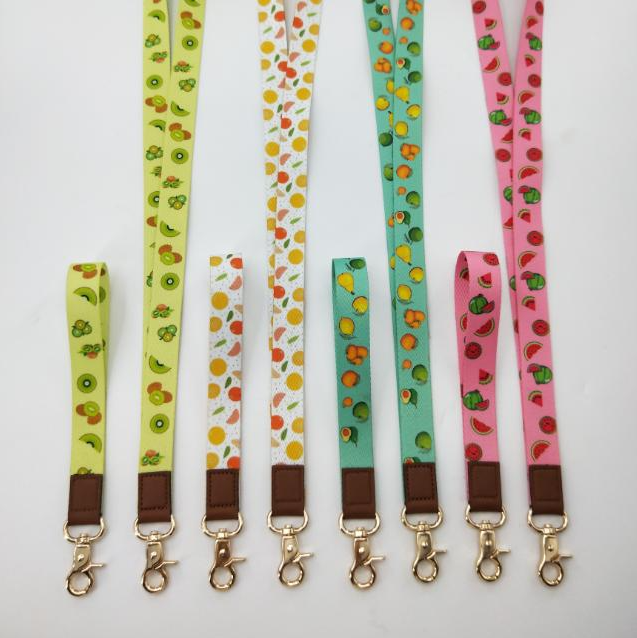

OEM Shoe Laces Guide for Brands Seeking Custom Manufacturing Solutions
2026-10-21
Most brands overlook the one component customers touch every single day: the lace. Yet in custom footwear, that small detail can make or break the entire product experience. This OEM shoe laces guide strips away the guesswork for brands ready to move beyond stock options. From material selection to minimum order quantities, you’ll see exactly what separates a forgettable pair from a signature one. At the heart of this process is DONGCHUANG, a manufacturing partner that treats laces as more than an afterthought. If your next collection deserves a custom edge, keep reading—the details here might surprise you.
What to Look for in a Lace Manufacturer Before You Commit
Request a set of physical samples before you sign anything. Swatches tell you more about a lace manufacturer than a polished website ever will. Look at the back side of the lace—loose threads, uneven tension, or crooked motifs often show up there first. Stretch the fabric gently in both directions. If the ground distorts or the pattern loses its shape, that same weakness will appear in finished garments after a few wears.
Ask about dye lot consistency and minimums early in the conversation. A maker who can only guarantee a close match on paper but not across production runs will cost you time later. Find out how they handle shading between batches, whether they keep records of past color standards, and how much lead time they need for a repeat order. If you plan to use the same lace across multiple sizes or styles, confirm that the pattern repeat stays aligned when cut in different directions.
Finally, pay attention to how they communicate before you place an order. Slow or vague replies about shrinkage, fiber content, or edge finishing rarely improve after payment. A reliable lace manufacturer will tell you what they cannot do as plainly as what they can—and they will send updated samples without being chased.
Materials That Feel Expensive Without the Price Tag
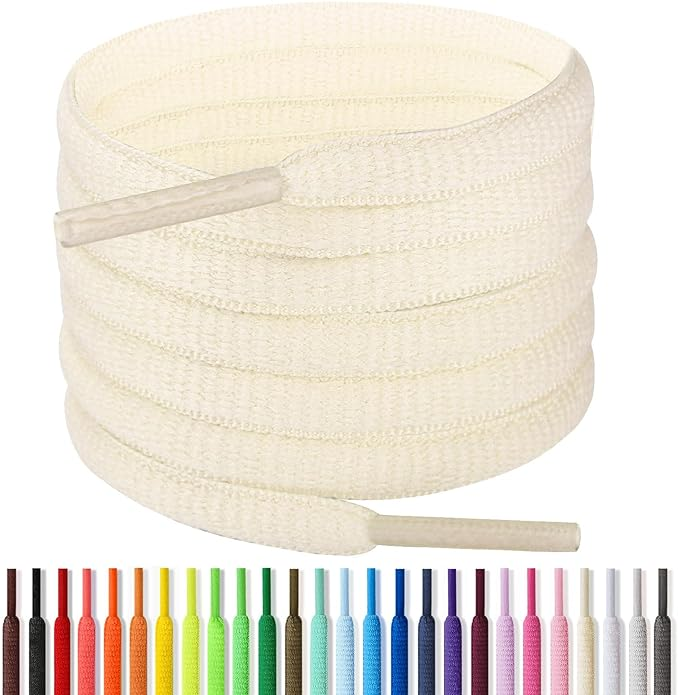
There's a quiet trick to making a room read as expensive without spending a fortune: lean into materials that have texture and weight. A chunky wool bouclé throw, for instance, mimics the hand-feel of designer upholstery but costs about the same as a basic fleece blanket. The key is in the weave and the drape—look for dense, nubby surfaces and avoid anything sheer or overly shiny, which tend to read as cheap no matter the price.
Another underrated move is swapping plastic or laminate accessories for natural stone and unlacquered metal. Honed travertine coasters, a small alabaster lamp base, or brushed brass drawer pulls all carry a visual heft that makes even IKEA furniture feel custom. These materials age gracefully, developing patina and tiny scratches instead of chipping or peeling, so they keep their luxe look for years.
Finally, don't overlook the power of raw linen and slubby cotton. They wrinkle in a way that feels intentional rather than sloppy, especially when layered in warm neutrals. Pair them with a single high-contrast material—like a dark stained oak frame or a matte black ceramic vase—and the whole setup reads as curated rather than decorated.
Small Tweaks That Make Custom Laces Unmistakably Yours
Most people assume custom means loud, but the opposite is usually true. Replacing the standard plastic aglet with a brushed brass or matte black metal tip changes how the laces fall against the shoe, and it's the kind of detail you notice in natural light long before you can explain why it looks better.
Another trick is to weave a single accent thread through the outer braid instead of dyeing the whole lace. A thin stripe of rust or cobalt running just off-center gives the pair a handmade character without shouting. Paired with a bartack in the same color, it reads as a decision rather than an afterthought.
Even length can become a signature. Most stock laces force the same loopy bow on every foot; cutting yours a few centimeters shorter or longer to match your eyelet spacing changes the silhouette. When the lace ends sit exactly where you want them, the whole shoe looks more considered.
How to Talk Minimums and Timelines Without the Runaround
When you ask about minimums and timelines, vague answers often mean the other side hasn't fully thought through their own process—or worse, they're stalling. Instead of pressing for a hard number right away, frame the question around their past work: “What’s the smallest order you’ve comfortably handled recently?” and “How long did that take from deposit to delivery?” This shifts the conversation from hypotheticals to real examples, making it harder to dodge with “it depends” without follow-up.
Pay attention to how they qualify their answers. A direct “We can do 50 units in two weeks” is useful, but a response like “Usually 100, but we might try 50 if the design is simple” tells you more about their flexibility and where delays might creep in. Ask for a breakdown: “Walk me through the steps after I approve the sample—how many days for materials, production, and QC?” If they hesitate or skip over QC, that’s your cue to push for a written timeline with checkpoints, not just a final date.
Finally, keep your own numbers realistic but firm. Saying “I need this by the 15th, and I can start with 200 pieces” gives them a clear target to agree to or counter. If they come back with a higher minimum or longer lead time, ask what specifically drives that—rush fees, machine setup, fabric sourcing—and negotiate from there. The runaround usually disappears once you show you understand the mechanics and just need honest variables to plan around.
The Inline Checks That Keep Bad Laces Out of Your Boxes
Most people never think about laces until one snaps or comes out of the box already frayed. The inline checks that prevent this start at the cutting stage, where each batch is measured against a steel ruler and the tips are squeezed to make sure they won't crack when you thread them through an eyelet.
Further down the line, a second pair of hands runs every lace between thumb and forefinger. This isn't just for feel—it catches uneven braiding, hidden knots, or thin spots that would otherwise slip past a quick visual scan. Any lace that snags even slightly gets pulled before it ever reaches a box.
Color matching happens under the same light used in the factory, not fancy studio lamps. If a dye lot drifts by half a shade, the entire bundle is set aside. That keeps the laces inside the box as consistent as the shoes they're paired with.
Turning Laces into a Signature Part of Your Footwear
Most people treat laces as an afterthought—plain white or black, tied the same way every morning. But these strands running across your shoes hold more creative potential than any other part of the footwear. Swapping in a bold color, a textured cord, or an unexpected pattern instantly shifts the entire mood of the shoe, turning a basic pair into something that feels curated rather than off-the-shelf.
The real trick is treating laces like a personal mark. Try fat round laces on slim sneakers for a playful mismatch, or flat waxed laces on boots to add a subtle sheen. You can weave them through extra eyelets, leave the top two undone for a relaxed drape, or even lace two different colors side by side. Once you find a combination that feels like you, it becomes a quiet signature—something people notice without you pointing it out.
Changing laces costs almost nothing and takes under a minute, yet it updates the fit far more than a fresh pair of socks. Keep a small drawer of options: neon for summer, leather for formal days, reflective for nights out. The shoes stay the same, but the laces tell a different story every time you walk out the door.
FAQ
Start with a clear sketch or photo reference, the exact lace length and width you need, and a rough idea of your target price per pair. Having those details ready keeps the initial conversation focused and saves you from going back and forth for weeks.
For performance footwear, opt for polyester or nylon blends with a bit of stretch and strong abrasion resistance. For fashion sneakers, cotton or waxed cotton gives a premium, matte look but may not withstand heavy wear. Some brands mix both by using a polyester core with a cotton outer layer.
Many factories list high MOQs, but smaller workshops or specialized lace makers often accept 500 to 1,000 pairs if you stick to stock colors and standard tips. You can also offer to pay a small setup fee or agree to a phased delivery schedule to make the deal more attractive.
Jacquard weaving gives the crispest results for small logos because the design is woven directly into the lace rather than printed on the surface. Heat transfer printing works well for bold, colorful graphics but tends to fade faster with friction and washing. For a subtle look, ask about debossed tips or custom aglet engraving.
Usually four to six weeks for sampling and another three to five weeks for mass production, assuming no major design changes. If you need custom colors or special yarns, add an extra two weeks. Rushed orders are possible but often come with a 20 to 30 percent surcharge, so plan ahead whenever you can.
Uneven dye lots, loose stitching near the aglets, and inconsistent tip lengths are the usual culprits. Ask for a pre-production sample and keep it as a reference, then request a random inspection report before the shipment leaves the factory. Also agree on a tolerance range for length, usually plus or minus 5 millimeters, to avoid disputes later.
Expect material and weaving to account for about 40 to 50 percent of the unit cost. Aglets and tipping add another 15 to 20 percent, packaging around 10 percent, and the rest covers labor, overhead, and factory margin. Shipping and customs are separate, and setup fees for custom molds or color matching are usually one-time charges.
Swap standard plastic aglets for metal or silicone ones with a subtle texture. It costs only a few cents extra per pair but dramatically changes the way the lace feels in hand. Another trick is to use a slightly thicker lace than your competitors, which makes the whole shoe feel more substantial. Both upgrades are easy wins.
Conclusion
Focus on the factory's track record before signing anything. Ask for samples of their cotton, waxed, and recycled blends, and check how they finish the tips—cheap aglets or loose stitching will make a good shoe look sloppy. You don't need luxury materials to get that premium feel; a tight, low-pile cotton with a clean wax finish can outperform pricier options. Small details like custom tip embossing, a stripe woven into the lace, or a subtle color mismatch on the heel lock can make the laces feel designed for your shoe rather than picked from a catalog. And when you ask about minimums and lead times, get answers in writing—not a sales script. A factory that hesitates to give a straight number or pushes you toward stock options isn't ready for a real partnership.
During production, insist on inline checks for tension, tip alignment, and color fastness before the laces get packed. A quick pull test and a wash test on every batch catch most problems before they reach your boxes. Finally, treat laces as a signature element, not an afterthought. Match the lace length to your eyelet spacing, choose a tip shape that echoes your logo, and use the lace color as an accent against the upper. When done right, the lace becomes a quiet brand mark—something customers notice when they put the shoe on, and something competitors can't easily copy without the same attention to detail.
Contact Us
Contact Person: Bill Huang
Email: [email protected]
Tel/WhatsApp: 8613829102720
Website: https://www.dclanyard.com