

Private Label Automotive Refinishing Products That Grow Your Brand
2026-10-22
Imagine opening a box of abrasive discs with your logo, your color scheme, and your promise of quality—not someone else’s. That’s the quiet advantage of private label automotive refinishing products, and it’s how shops and distributors turn commodity supplies into brand-building tools. At SHENZHEN SUN ABRASIVES, we help you make that shift without the usual headaches of sourcing and consistency. But what does it really take to grow your brand with private label? Keep reading.
Your Label, Their Shop’s Go-To Finish
A label rarely gets the credit it deserves, yet it's the final touch that turns a simple garment into a memorable piece. When customers run their fingers over that woven tag, they feel the weight of intention — the texture, the stitch, the subtle sheen. It's not just branding; it's a quiet handshake between maker and wearer, and before long, that label becomes the detail they search for when they walk into a shop.
The best labels don't shout. They settle into the seam with a kind of earned confidence, carrying just enough personality to feel like a signature rather than an ad. Shop owners notice — they start folding pieces so the label faces up, or they mention it when describing the line to a curious buyer. That's when you know your label has crossed from afterthought to go-to finish: it's the reason a customer turns the collar, checks the hem, and finally decides this is the one worth taking home.
Coatings That Hold Up When the Oven Door Opens
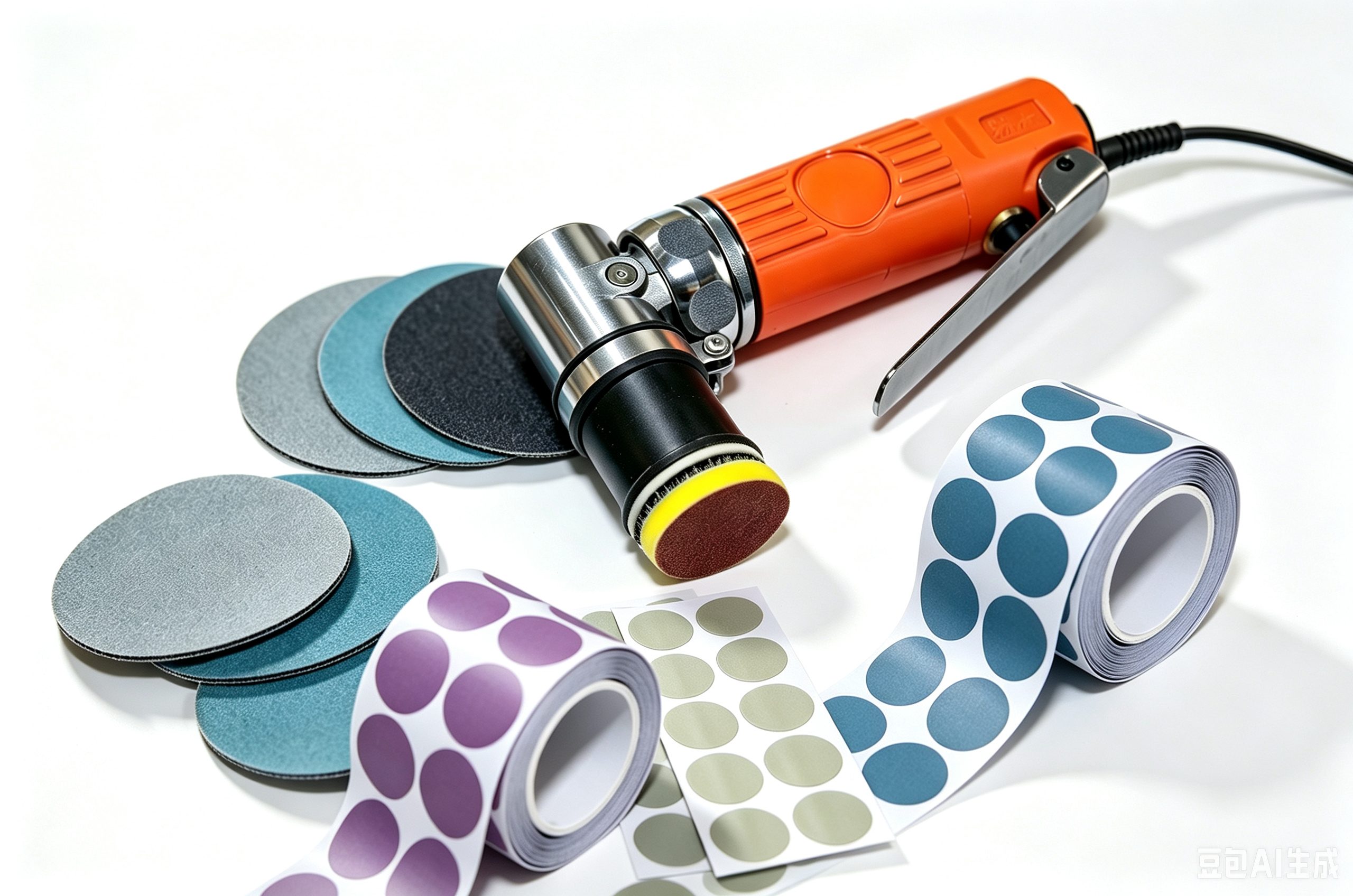
Every time the oven door swings open mid-roast, the interior finish takes a blast of cooler room air. Cheap coatings crack under that thermal shock, but the right formula shrugs it off. You want a surface that expands and contracts at nearly the same rate as the metal beneath it, so hairline fractures never get a foothold.
Look for oven interiors coated with high-solids porcelain enamel or a reinforced silicone-polyester blend. These aren't just paint jobs—they're bonded layers that flex without flaking. In real kitchens, that means you can check a brisket at hour six, open the door again at hour eight, and still see zero rust spots forming around the edges a year later.
The real test isn't a single heat cycle. It's the hundredth time you interrupt a 450-degree bake to peek at sourdough. A durable coating keeps its gloss and adhesion through all of that, wiping clean without scratching. If the spec sheet mentions cycled thermal shock testing past 300°F, that oven is built for people who actually cook, not just look at the display panel.
A Color Library That Ends the Match Guessing Game
Most color tools leave you squinting at a swatch, wondering if the match is close enough. This library flips that habit by pairing every shade with its exact source code, pigment name, and real-world reference. You stop comparing approximations and start knowing what you're working with.
Instead of a flat grid of unnamed hues, each entry comes with a built-in verification layer. Click a color and you'll see how it behaves under different lighting, which materials it naturally appears on, and what it pairs with without clashing. No more holding a physical sample up to a screen and hoping for the best.
The result is a working palette that feels less like a guessing game and more like a well-labeled inventory. Designers can pull a color, confirm its identity in seconds, and move straight to the actual creative work.
Shelf-Ready Kits That Make Your Brand Look Established
A shelf-ready kit does more than hold products—it frames them. When your items arrive in a rigid, full-color display tray with clean die-cut edges and a soft-touch finish, customers read that as years of market presence. Even a first-run product takes on the weight of an established line because the packaging carries the quiet confidence of brands that have already earned shelf space.
The unboxing and stocking process tells a similar story. Pre-loaded trays slide directly from shipping carton to shelf without extra handling, and every visible surface stays crisp because the board is coated against scuffs and moisture. Retailers notice that speed, and they associate it with suppliers who understand their floor. That operational ease translates into better placement and fewer damaged units sitting in the back.
Beyond the practical side, the visual coherence matters. A well-produced kit can repeat your logo, color match, and typography across every panel without looking busy. The result is a compact billboard that works for you in the aisle, making a small display feel intentional rather than improvised—exactly the kind of presentation that separates a newcomer from a name shoppers already trust.
Pricing That Leaves Room to Grow, Not Just Compete
Most pricing conversations start with a competitor’s number and end with a discount. This approach ignores what actually happens after the sale: usage expands, teams grow, and the original price either becomes a quiet source of friction or gets renegotiated anyway. Pricing that leaves room to grow flips the sequence. It assumes the relationship will deepen, so the initial tier should feel easy to adopt while the expansion path stays visible and logical—not buried in a sales call.
That doesn’t mean hiding value behind confusing add-ons. It means shaping tiers around real usage thresholds, team size, or feature depth so moving up feels like progress rather than punishment. When a customer outgrows their plan, the next step should already make sense: more seats, more automation, more data. The goal isn’t to win on price alone; it’s to make the higher tier the obvious next move once the product proves itself in daily work.
Backing Your Brand with Technical Help That Actually Answers
Most support teams hide behind scripts and ticket numbers, which leaves customers guessing whether anyone actually read their message. When you back your brand with technical help that answers the real question instead of deflecting it, you turn a frustrating moment into a reason to stay. The difference isn't more staff or faster replies—it's training people to read the whole problem, ask one clarifying question if needed, and then give a fix that works on the first try.
That kind of help shapes how your brand is remembered. A customer who gets a clear, accurate answer about a configuration issue or an integration bug doesn't just keep using your product—they mention it to colleagues and come back with harder problems. The technical depth has to be real, not just polite language. If your answer skips steps or assumes too much, the customer will notice and lose trust.
So build a support culture where "I don't know yet, but here's what I'll test" is a normal reply, and where the final answer includes the exact commands, settings, or workaround—not a link to a generic help center. That consistency makes your brand feel dependable, even when something breaks.
FAQ
It covers the consumables and coatings a body shop uses after initial factory paint—think primers, basecoats, clears, hardeners, reducers, and even prep solvents or polishing compounds. The key is that these are manufactured by a specialized facility but carry your brand name, so your customers see your identity on every tin, not someone else's.
Most shops buy whatever the local distributor pushes, which means they end up with the same red can or blue jug as everyone else. When you put your own name on a well-matched system, you shift the conversation from price comparison to trust in your specific line. It lets you bundle products, control your own pricing, and build a repeat customer base that can't easily cross-shop a generic brand.
Yes, if you start narrow. Many contract manufacturers have modest minimum order quantities for a few core SKUs—like a primer, a clear, and a hardener—so you don't need to fund a full paint system on day one. The realistic route is to pick two or three fast-moving items, place a small initial order, and expand as your customers ask for more.
You can often adjust label design, can size, packaging type, and even the formula characteristics—like dry time, VOC level, or sanding ease—to match your regional climate or shop preferences. Some manufacturers also let you choose colors for tinting bases or offer private label tech sheets with your branding, so the product feels like it was built for your specific operation, not just relabeled.
Ask the manufacturer for independent test data, real-world spray-out panels, and the exact technical data sheets before committing. A serious supplier will send samples and let you run them side-by-side against your current products on actual repair jobs. If they resist providing performance specs or only offer vague marketing claims, that's a red flag. Good private label lines often come from the same chemical families as the big names, but you need evidence, not just promises.
Beyond production, look for color-matching tools, mixing software or scales, training materials for your staff, and maybe even co-branded marketing assets like shelf talkers or banners. Some partners offer a dedicated technical hotline for troubleshooting paint issues. The best arrangements feel less like buying cans and more like gaining a silent R&D and support team that helps your brand succeed.
Clears and primers usually give the strongest returns because they are used in high volume and buyers are less emotional about color matching—they care about reliability and price per panel. Basecoats and toners can be profitable too but require more color support and inventory. Starting with clears, sealers, and prep products often produces the quickest profit while you build brand recognition.
Request samples of two or three core products from a shortlist of manufacturers, then run them through your normal shop workflow for at least a few weeks. Note dry times, sanding behavior, gloss retention, and how your painters react. If the products perform well and the manufacturer's minimums fit your budget, place a small pilot order and sell it to a few loyal customers before scaling up.
Conclusion
When a body shop reaches for a refinishing product again and again, the label on the can starts to matter. Private label automotive refinishing supplies let you put your brand in that daily workflow, turning a routine paint job into a quiet endorsement. The coatings themselves have to survive real conditions—bake cycles, color sanding, and the occasional rushed technician—so durability isn't a marketing claim, it's a shop-floor requirement. A well-built private label program pairs that performance with a color library broad enough to match factory codes without guesswork, saving time that technicians would rather spend spraying than mixing.
Packaging also does a lot of the selling before a single panel is painted. Shelf-ready kits with clean, consistent branding make a new line look like it has been on the market for years, which helps distributors and jobbers feel confident stocking it. And because margins matter, pricing should be structured to give your brand room to invest in growth—not just to undercut the next supplier. Behind all of that, real technical support makes the difference: someone who answers the phone, understands the product, and helps a painter solve a problem mid-job. That kind of backup turns your label into the go-to finish their shop relies on.
Contact Us
Contact Person: Amanda Wang
Email: [email protected]
Tel/WhatsApp: +86-13602569854
Website: https://www.sunabrasives.com.cn