

Top Bag in Box Dispensers for Efficient Liquid Dispensing
2026-07-11
Imagine dispensing liquids with the precision of a tap, minus the mess and waste. Bag-in-box systems have revolutionized how we store and pour everything from wine to cleaning solutions, but the real game-changer lies in the dispenser. Whether you're a home brewer or running a commercial kitchen, the right dispenser can slash spillage, extend shelf life, and make every drop count. At the heart of this efficiency is Kody, a brand that’s redefining what it means to pour smarter. Stick around as we unveil the top bag-in-box dispensers that will transform your liquid handling forever.
Why Bag-in-Box Systems Are Changing How We Handle Liquids
It’s not hard to see why bag-in-box packaging has quietly become the go-to for everything from wine to cleaning fluids. The design itself is almost comically simple: a collapsible bag inside a sturdy carton. Yet that simplicity unlocks a practical genius—every time you dispense, the bag shrinks, keeping air from touching the remaining product. That means olive oil stays fresh for weeks, not days, and opened wine doesn’t turn into vinegar before you get through the box. No preservatives, no complex gadgets, just a smarter container.
Beyond freshness, the shift is also about rethinking storage and transport costs. Rigid bottles and jugs are mostly shaped air and wasted space. A filled bag-in-box uses nearly every cubic inch efficiently, and once empty, it collapses into a small footprint. For businesses, that translates to fewer trucks, lower emissions, and less shelf space wasted in warehouses. It’s a quiet kind of logistics win that inventory managers love and consumers unknowingly benefit from.
And then there’s the eco-angle that actually holds water—unlike many “green” claims. The cartons are typically made from recycled cardboard, and the entire package uses a fraction of the plastic compared to a solid jug. In a world where people are increasingly tired of single-use plastics, bag-in-box offers a tangible reduction in waste without asking for a lifestyle change. Pour the same amount, just with less guilt.
Features That Separate Top-Tier Dispensers from Basic Models
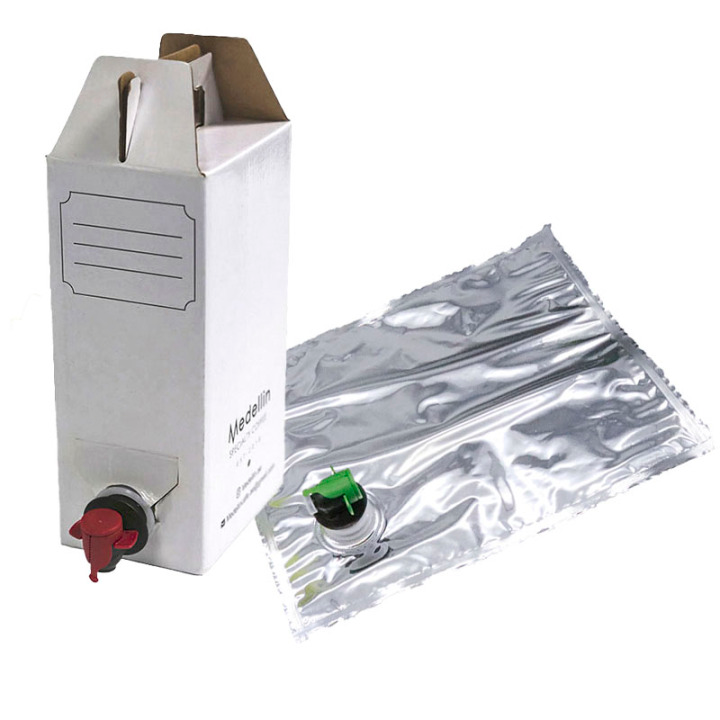
The build quality alone often tells you everything you need to know. Premium dispensers feel solid in hand, with precisely machined components that glide without wobble or resistance. There’s no cheap plastic creaking or rough edges—every surface is thoughtfully finished, often with brushed metal or reinforced composite bodies that withstand daily use. The dispensing mechanism itself is smoother, whether it’s a push-button that responds with a satisfying click or a sensor that reads movement instantly without lag. Basic models settle for thin, brittle materials that warp over time or crack under minimal pressure, leaving you with something that feels disposable rather than a permanent fixture.
Then there’s the intelligence behind the design. High-end dispensers don’t just spit out product—they adapt. You’ll find adjustable portion controls that let you customize the amount dispensed, from a fraction of an ounce to a full shot, which means less waste and better consistency. Some remember your preferences, others learn from usage patterns, and a few even integrate with smart home ecosystems to reorder supplies automatically. A basic model gives you one setting and that’s it—usually too much or too little, never quite right. It’s the difference between a tool that waits for you and one that works with you.
Maintenance is another barrier that separates the top tier from the rest. Advanced dispensers are built to be opened, cleaned, and refilled without frustration—no tools required, no tiny crevices where residue builds up. The reservoirs often seal in a way that prevents leaks while still being easy to access, and materials resist staining or absorbing odors. Lower-cost alternatives might seem fine on day one, but after a few weeks of gunk accumulating in hard-to-reach areas, they become a chore. A truly superior dispenser stays hygienic with minimal effort, making it feel less like a gadget and more like a reliable kitchen or bathroom companion.
Manual or Electric: Which Suits Your Workflow Better?
A manual tool keeps you in direct command. There’s no waiting for batteries to charge, no hum of a motor to disturb a quiet workshop, and every subtle movement of your hand translates into action. For intricate tasks—like carving a tight dovetail or coaxing a thread through thick leather—that instant feedback loop is hard to beat. It’s the go-to when you need to finesse rather than force, and the silence often means you can work late without bothering anyone else in the house.
Electric versions shine when repetition and speed dominate your day. If you’re driving fifty screws into subfloor or buffing out a car’s hood, the consistent torque and rapid motion save both time and your joints. They level the playing field for people who might lack raw hand strength, making certain jobs accessible that would otherwise be a struggle. The trade-off is noise, a reliance on power cords or battery management, and sometimes a loss of that delicate feel.
The real decision hinges on your typical workload and surrounding constraints. Think about how often the tool gets picked up, how precise the work needs to be, and whether you’re near a reliable power source. Many seasoned hands don’t pick a side—they keep both a manual and an electric option nearby, letting the task at hand dictate which one fits the moment.
The Real Impact of Construction Materials on Dispenser Durability
Many assume that all dispensers are built to withstand the same wear and tear, but the choice of construction materials tells a different story. Stainless steel, often used in higher-end models, resists corrosion and maintains structural integrity even in humid or chemical-heavy environments. On the other hand, cheaper plastics may degrade faster, cracking or warping under repeated use or temperature fluctuations. The material isn't just about looks; it directly determines how long the dispenser will function reliably before needing replacement.
Metals like brass or aluminum add another layer of durability, especially in high-traffic settings where accidental bumps are inevitable. These materials absorb impacts without compromising the internal mechanisms, whereas thinner, rigid plastics might shatter on collision. Over time, the cost of frequent plastic dispenser swaps can outpace the initial investment in a robust metal unit. Understanding the stress points specific to your environment makes material selection a practical, not just aesthetic, decision.
Unexpected Ways Bag-in-Box Design Minimizes Waste
The bag-in-box packaging extends the shelf life of products far beyond what bottles can manage. Once opened, the collapsible inner bag keeps air away from the remaining liquid, drastically slowing oxidation. This means consumers can use every last drop without spoilage, tossing out far less unused product than with rigid containers that let in fresh air each time they’re opened.
There’s a structural genius behind its material efficiency. The outer box provides all the stacking strength needed, so the inner bag can be made from ultra-thin plastic—around 80% less material than a typical rigid bottle of the same volume. That lightweight combination slashes plastic waste at the source while making transportation lighter, which cuts fuel consumption without anyone needing to think about it.
Even the way bags collapse shows a hidden anti-waste advantage. Because they flatten completely as they empty, they take up minimal space in recycling bins or refuse containers, reducing collection frequency and associated carbon emissions. And unlike the rigid packaging it replaces, the separated cardboard shell is already a recycling staple in most curbside programs, keeping more material in use and out of landfills.
Matching a Dispenser to Your Exact Usage Scenarios
A dispenser isn’t just a vessel for your soap or sanitizer—it’s a functional piece that should integrate seamlessly into how you actually use it. Think about where it will be placed: a high‑traffic public restroom demands robust, high‑capacity units that refill quickly and withstand constant use, whereas a sleek, touchless model might suit a private office kitchen. Pay attention to refill frequency and the types of products you’ll be dispensing. Lotions, gels, and foaming soaps each have different viscosities, and not every pump handles all of them equally well.
Beyond the mechanics, consider the user. Will children or individuals with limited hand strength be using it? A lever design might be easier for small hands than a push‑button pump. For spaces focused on hygiene, touchless infrared sensors minimize cross‑contamination, but they need reliable battery or power sources. Don’t forget about aesthetics—a brushed metal finish might fade into a premium bathroom, while a brightly colored, impact‑resistant plastic is better for a gym locker room. The shape and mounting style (wall‑mounted, countertop, or freestanding) influence both traffic flow and refill accessibility.
Ultimately, matching the dispenser to the scenario means balancing practicality with the experience you want to create. In a healthcare setting, for instance, compliance with antiseptic protocols trumps all, and you might choose a dispenser with audible feedback to confirm each dose. In a boutique hotel, subtlety and quiet operation are paramount, so a softly dampened pump or silent motion sensor becomes key. Before committing, test a sample if possible—feel its action, gauge the dose amount, and verify that the overall interaction feels right for its intended environment.
FAQ
A bag-in-box dispenser holds a flexible bag filled with liquid inside a sturdy outer box. You attach a tap or pump to the bag's built-in connector, and pressing or pumping releases the liquid. It keeps air out, which maintains freshness and prevents spills.
They work great for a wide range of liquids—think water, juices, wine, syrups, cleaning solutions, and even industrial chemicals. Just make sure the bag material is compatible with your liquid to avoid leaks or degradation.
Focus on the flow rate, durability, and ease of use. For high-traffic settings, a heavy-duty pump with fast dispensing matters. Also check if the tap locks to prevent accidental drips, and ensure the box size fits your space.
Regularly wipe down the exterior and tap with a mild cleaner. If you use refillable bags, rinse them thoroughly between refills. For pumps, disassemble and soak movable parts periodically to prevent clogging. Always follow the manufacturer’s guide for specific care.
Yes, it cuts down on packaging waste since the bag and box are often recyclable. You can also dispense nearly every last drop, so there's minimal liquid waste. Plus, the compact design saves shipping space, lowering your carbon footprint.
It’s portable, mess-free, and serves a crowd without constant refilling. The sealed bag keeps drinks fresh for hours, and you can quickly swap empty bags. No heavy bottles to lug around, and setup takes seconds.
Conclusion
Bag-in-box systems have quietly reshaped how liquids are stored, transported, and dispensed across countless settings, from busy commercial kitchens to precise laboratory environments. At the heart of this shift is a brilliantly simple design that collapses the inner bag as liquid is drawn out, keeping air away and dramatically extending product freshness without the need for extra preservatives. This same vacuum effect nearly empties the bag, leaving behind minimal waste and maximizing the value of every drop. Durability also hinges on the construction materials used in the dispenser itself. High-grade plastics and stainless steel components resist cracking, corrosion, and the wear of repeated use, ensuring consistent flow and a longer service life. A dispenser built from inferior materials might save a few dollars upfront but often leads to leaks, inconsistent portioning, and early failure, making material quality a silent but decisive factor in overall efficiency.
When selecting a dispenser, the manual versus electric decision directly impacts your daily workflow. Manual models thrive in low-volume spots or where mobility matters, offering quiet, straightforward operation with no power dependency. Electric units, on the other hand, excel in high-demand scenarios with programmable portion control that cuts waste and speeds up service. What truly separates premium dispensers from the basics are thoughtful touches: a drip-free nozzle that keeps counters clean, tool-free disassembly for quick sanitation, and smooth, quiet pump mechanisms. The final step is honestly assessing your exact usage scenario. A coffee shop pouring syrups needs a different flow rate and durability profile than a cleaning crew dispensing concentrated chemicals or a lab measuring sensitive reagents. By matching the dispenser’s strengths to the daily reality of your tasks, you achieve a level of liquid handling that feels almost effortless, with less mess, less waste, and better results over the long haul.
Contact Us
Contact Person: Cindy Lee
Email: [email protected]
Tel/WhatsApp: 8613622669331
Website: https://www.dgkody.com