
Warehouse Forklift Supplier Guide: Choosing the Right Partner for Your Operations
2026-09-15
Selecting a warehouse forklift supplier often comes down to more than just lift capacity or upfront price—it's about whether your partner shows up when a hydraulic line blows at 2 a.m. This guide walks through the criteria that matter most, from parts availability to technician response times, and it doesn't shy away from naming names. HANGCHA has been turning heads for its reliability and support, but you'll want to see how it stacks up against your operation's actual demands.
Start with your hardest shift, not the average one
Most people plan around their typical day—the one where everything runs on schedule and nothing catches fire. That’s a comforting myth, but it leaves you scrambling when reality hits. Instead, begin by examining your worst shift: the one where three call-outs collide with a surprise rush, a broken register, and a delivery that never arrived. That chaos is your true baseline, not an exception.
When you design your processes, staffing, and contingencies for that brutal day, you’re not being pessimistic. You’re being practical. The easy shifts will still be easy—no harm done. But the hard ones won’t sink you. Ask yourself what actually broke last month, not what could go wrong in theory. Then build one small fix for each failure, starting with the most expensive one.
This shifts your mindset from hoping things go smoothly to knowing you can handle it when they don’t. The goal isn’t to eliminate every problem—it’s to make the worst day survivable without heroes. And when that worst day comes again, you’ll be ready, because you already rehearsed for it.
Verify who actually shows up when a forklift breaks down
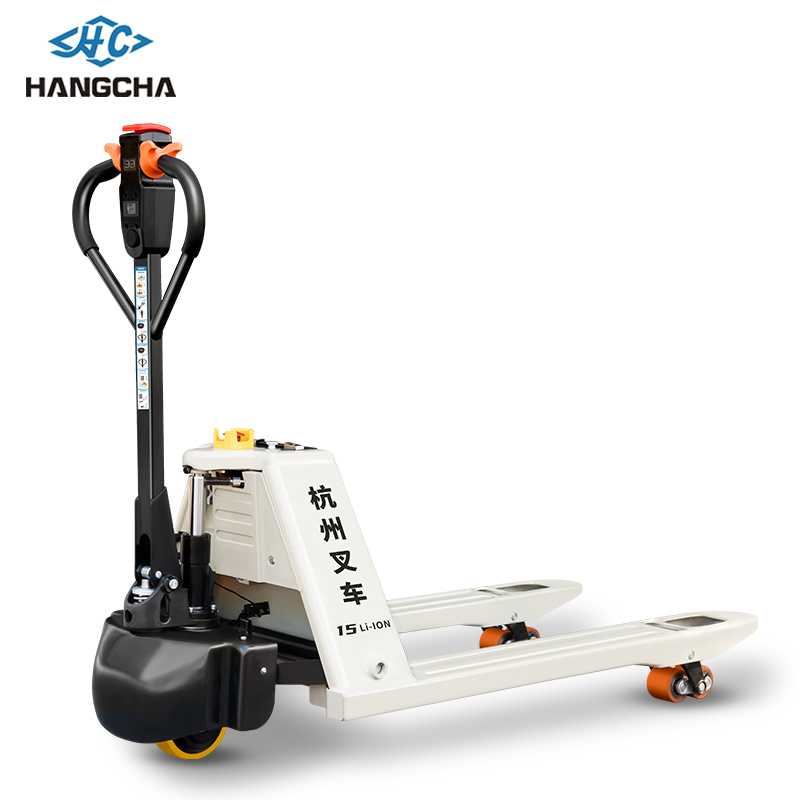
In many warehouses, the gap between who gets assigned a repair ticket and who actually walks through the door is wider than you'd think. A forklift dies in the middle of a shift, the supervisor radios maintenance, and everyone assumes the nearest technician will arrive within minutes. But the real question is whether the person sent is certified for that specific model, carries the right parts, or even works for your own company versus a third-party contractor. Tracking sign-in logs, badge swipes, and work order updates can reveal a pattern of mismatched skills or delayed arrivals that gets hidden behind generic “technician dispatched” messages.
One practical way to verify is to walk the floor yourself during the next breakdown and note who actually touches the machine, how long they spend diagnosing before opening the tool chest, and whether they consult a manual or a colleague. Too often, a junior apprentice is sent to “take a look” while the senior mechanic remains in the shop, leading to double handling and longer downtime. Cross-check the name on the repair report against the time-stamped camera footage at the dock door. You might discover that the “experienced technician” listed on the invoice never stepped foot inside the building.
Also examine the relationship between who shows up and how quickly the forklift returns to service. If a specific driver consistently reports breakdowns at the start of their shift and the same outside contractor always arrives with a pre-written work order, there may be more than just mechanical failure at play. Ask for proof of certification and compare it with the equipment manual’s required training level. A forklift that keeps breaking down might not need more maintenance—it might need a different person responding to the call.
Ask for parts availability data, not just a promise
A supplier telling you a part is “in stock” doesn't mean much if their system hasn't updated in three days. Ask for the actual numbers: how many units are on the shelf right now, which warehouse they're sitting in, and when the next batch clears customs. That's the difference between a delay and a line-down situation.
Don't settle for a rep who says “we can get it.” Request a live inventory snapshot or a read-only portal login. If they hesitate, that's a red flag. Real availability data shows quantities, locations, and order cut-off times—not vague assurances.
For critical components, also ask for their fill rate over the last 90 days and the average backorder duration. A 98% fill rate with a two-day average delay is workable. A 70% rate that “should improve next month” is just a promise in disguise. Let the data make the case.
Let your operators test the equipment before you decide
A spec sheet can't tell you how a machine feels at hour six of a shift. Let the people who will live with it put it through the same motions they do every day. If the control layout makes them reach, if the guards block their sight line, or if the cycle time forces them to wait, they'll notice within minutes. That kind of feedback is worth more than any demo video.
Operators also judge equipment by details that never make it into brochures: whether the emergency stop is easy to hit without looking, how quickly chips clear from the work area, or how much effort it takes to load a heavy part. When you let them test with real workpieces and real tolerances, you find out if the machine helps them hold quality or gets in their way. And once they've had a say, they tend to take ownership of the equipment and keep it running properly.
Don't settle for a quick walkaround or a sales-led demonstration. Set up a trial on your floor, with your tooling, your software, and your daily throughput targets. Let operators push the equipment hard enough to expose weaknesses before money changes hands. A decision made after that kind of honest testing rarely comes back to haunt you.
Compare hourly operating cost instead of the sticker price
The sticker price tells you almost nothing about what a machine actually costs to own. A $28,000 skid steer that guzzles fuel, eats through filters, and sits idle waiting on parts can easily outspend a $34,000 model that sips diesel and keeps working through the day. If you only look at the number on the window sticker, you are shopping with one eye closed. The real price is paid in every hour the engine runs.
Grab the records from your last project: fuel receipts, service bills, rental invoices for backup equipment, and hours on the meter. Add them together and divide by the operating hours. That simple math gives you a true hourly rate. A machine with a higher purchase price but lower fuel consumption, longer service intervals, and fewer breakdowns usually wins over time. Compare that hourly figure across brands and models, and the smarter purchase becomes obvious. It is not what you pay upfront that matters; it is what each working hour costs you until the machine is sold or retired.
Build a safety partnership rather than a one-time sale
Most safety suppliers treat every interaction as a transaction: quote, order, deliver, move on. That model leaves you constantly re-explaining your site conditions, re-negotiating specs, and hoping the next batch of PPE or fall protection gear shows up on time. A genuine safety partnership works differently. It starts with a supplier who walks your floors, studies your incident reports, and learns your team's daily routines before recommending anything. That upfront investment means they can spot gaps you didn't know you had — like a mislabeled chemical storage area or a guardrail that's fine in summer but fails ice inspection in winter.
When problems arise, a transactional vendor hides behind a warranty clause. A partner picks up the phone and asks what you need right now to get a shift back online. They keep spare parts for your specific equipment on their local truck, not in a distant warehouse. They train your new hires on the same lockout-tagout procedure your veterans use, so consistency doesn't erode over time. And they don't disappear after the invoice clears — they schedule quarterly walkthroughs unasked, because they know a loose machine guard or a worn respirator seal is cheaper to catch early than after an injury.
The difference shows up in your own metrics. When a supplier treats you like a long-term account rather than a one-time order, your near-miss reports start dropping, your audit findings shrink, and your workers notice that the guy delivering gloves actually knows their names and their shift hazards. That's not marketing fluff — it's the natural result of someone being accountable for outcomes, not just outputs. Build that kind of relationship and you stop buying safety products. You start investing in a system where the supplier's reputation is tied to your injury rate.
FAQ
Look for suppliers who ask about your picking patterns, aisle widths, and shift schedules before recommending models. A partner who suggests battery charging layouts or ergonomic features based on your actual workflows shows they've spent time on warehouse floors, not just in a showroom.
Battery replacement cycles, parts availability for older models, and technician travel fees can quietly add up. Also check whether the supplier offers flexible leasing terms that match seasonal demand spikes—otherwise you may end up paying for idle equipment during slow months.
Ask for their average response time in your specific area, but don't stop there. Request references from warehouses with similar shift patterns and ask those managers about the last time they had a breakdown. A supplier who can't give you real examples of same-day repairs is probably overselling their network.
Instead of just asking if a model fits your current layout, ask what happens if you reconfigure racks next year. A good supplier will explain upgrade paths, mast options, and whether the same chassis can handle different attachments—so you're not locked into a single aisle width forever.
They won't disappear after the invoice clears. Look for scheduled maintenance reminders, operator training updates when you hire new staff, and proactive alerts about parts that are being discontinued. A partner keeps your uptime in view, even if it means recommending a cheaper fix sometimes.
Find out who owns the service vans—factory technicians or third-party contractors—and whether they stock common parts locally. Also ask about their policy for loaner trucks during extended repairs. Many contracts look fine on paper until you're waiting three days for a replacement.
It depends on your daily run time. If trucks run multiple shifts, new equipment with full warranty and energy-efficient motors usually pays off within two years. For lighter use, a refurbished model with a fresh battery and documented service history can be just as reliable—but insist on seeing the maintenance logs, not just the paint job.
Conclusion
The smartest warehouse managers don't start their forklift search with a spec sheet or a sales pitch—they start with their hardest shift. The equipment that barely survives a Friday night double-stacking run under peak order volume tells you more than any brochure. Before you sign a contract, ask the supplier to run a trial during that worst-case window: high traffic, tight aisles, heavy pallets, and tired operators. If the truck still performs and the supplier still answers the phone when it doesn't, you're already ahead of most buying decisions.
Then dig into what happens after the purchase. Verify who actually shows up when a forklift breaks down—not just the name on the service agreement, but the local technician's response time and whether they carry common parts on the truck. Ask for real parts availability data: days-to-ship for mast rollers, controllers, and drive motors, not a vague "we stock everything" promise. Let your own operators run the equipment for a full shift, because they'll notice ergonomic flaws and visibility issues that a demo driver never will. And instead of comparing sticker prices, calculate hourly operating cost over five years—energy, maintenance, downtime, and parts replacement. Finally, pick a supplier who treats safety as an ongoing partnership: training updates, pre-shift inspection support, and a willingness to audit your racking and traffic flow. That's the difference between a vendor and a long-term operational partner.
Contact Us
Contact Person: Liuxue
Email: [email protected]
Tel/WhatsApp: +86-19084200370
Website: https://www.hf-ec.com/