
Yellow Beeswax Exporter: Expert Tips for Finding the Best Bulk Beeswax Suppliers
2026-04-03
Are you ready to elevate your production game as a yellow beeswax exporter? In today's competitive market, finding reliable bulk beeswax suppliers isn’t just about securing a deal—it’s about building partnerships that drive quality and sustainability. At XUSHI, we understand the unique challenges exporters face, from sourcing ethically produced beeswax to navigating global supply chains. This guide is packed with expert tips to help you identify the best suppliers, ensuring your products meet the highest standards while boosting your bottom line. Dive in to discover strategies that set you apart and keep your business buzzing with success!
Identify Key Characteristics of Premium Yellow Beeswax
Premium yellow beeswax is distinguished by its rich, natural color that ranges from light buttery tones to deeper golden hues, which arise from the presence of pollen, propolis, and other hive materials in the raw wax. Unlike bleached or refined versions, it retains a subtle, sweet honey-like aroma that subtly enhances its authenticity, making it a favorite for artisanal candles, cosmetics, and natural crafts. This color variation isn't just aesthetic; it often signals a minimal processing approach, preserving the wax's beneficial properties like its natural emollient and protective qualities that support skin health and product longevity.
Another hallmark of top-tier yellow beeswax is its texture and melting point, which typically falls between 62 to 64 degrees Celsius (144 to 147 degrees Fahrenheit), ensuring it solidifies smoothly without becoming brittle or overly soft. This consistency allows for easy manipulation in candle-making or balm formulations, where it acts as a stable base that's less prone to cracking or melting too quickly. The wax should feel firm yet pliable to the touch, with a clean, non-greasy finish that speaks to its purity, free from synthetic additives or excessive impurities that might compromise its performance or eco-friendly appeal.
Finally, sourcing and sustainability play a crucial role in identifying premium yellow beeswax—look for products that are ethically harvested from well-managed hives, often certified organic or sourced from regions with strong beekeeping practices. This not only supports bee populations but also ensures the wax maintains its natural integrity, with a low moisture content that prevents mold growth and extends shelf life. In applications like natural skincare or home products, this translates to a reliable, versatile ingredient that blends seamlessly with essential oils and other botanicals, offering a touch of rustic charm without sacrificing quality.
Strategies for Evaluating Reliable Bulk Beeswax Suppliers
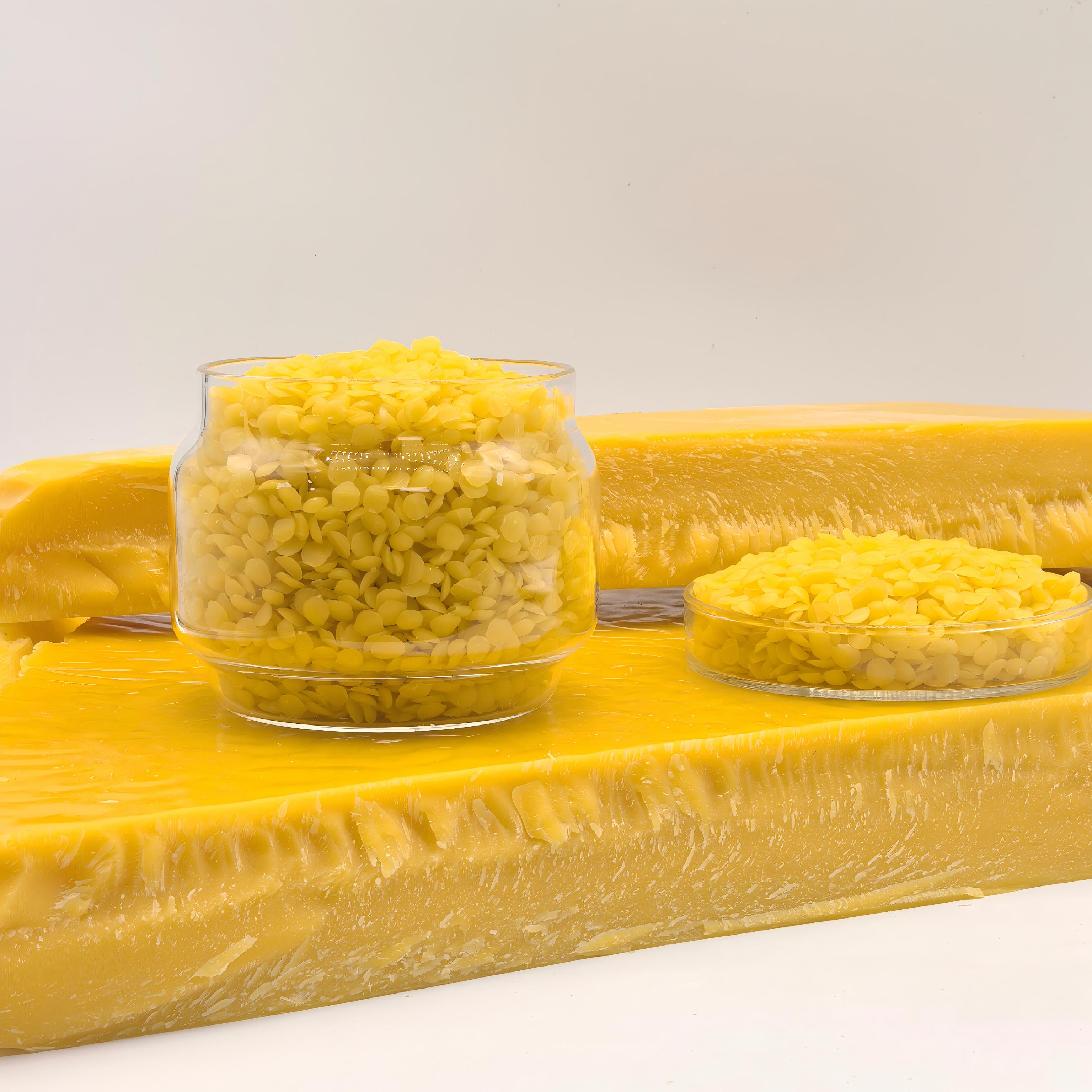
Finding a trustworthy bulk beeswax supplier isn't just about checking price lists and delivery times—it often hinges on digging into their sourcing transparency. Start by asking where the wax originates; suppliers who openly share details about beekeeping practices, such as whether hives are sustainably managed or if bees are free from harsh chemical treatments, can signal higher quality and ethical standards. It's also wise to request third-party lab reports or certifications, like organic or non-GMO verifications, which validate purity claims and ensure the wax hasn't been adulterated with paraffin or other fillers. Building a relationship with a supplier who prioritizes traceability can save headaches down the line, especially when consistency in texture and color matters for your projects.
Another key strategy involves assessing the supplier's consistency and reliability through real-world feedback, not just online reviews. Reach out to other businesses in your industry—maybe local candle makers or cosmetic producers—to hear firsthand about their experiences with delivery punctuality, wax quality over time, and how the supplier handles issues like shortages or seasonal variations. Don't shy away from requesting samples before committing to a large order; testing the wax yourself for properties like melting point, scent, and workability can reveal nuances that specs sheets might miss. A reliable supplier will likely have flexible terms and clear communication channels, making it easier to adjust orders as your needs evolve.
Finally, consider the long-term partnership aspect beyond the initial purchase. Evaluate if the supplier offers scalable solutions, such as bulk discounts or custom processing options, that align with your growth plans. Check their environmental policies too—many buyers now prefer suppliers who use eco-friendly packaging or support bee conservation initiatives, adding value to your brand's story. By blending these practical checks with a focus on sustainability and community ties, you'll not only secure a dependable source but also enhance your product's appeal in a market that increasingly values authenticity and responsibility.
Navigating International Shipping and Logistics for Beeswax Exports
When dealing with beeswax exports, navigating international logistics can feel like a complex maze, but mastering it ensures your product reaches global markets smoothly. Beeswax, being a natural and often temperature-sensitive commodity, requires careful handling to avoid melting or contamination during transit. This involves selecting the right shipping methods—such as air freight for speed or sea freight for cost-efficiency—and ensuring proper packaging with insulated materials. Understanding customs regulations and documentation, like certificates of origin and phytosanitary certificates, is crucial to prevent delays at borders, as each country has specific requirements for bee-derived products.
Beyond basic shipping, logistics for beeswax exports involve strategic planning to mitigate risks and optimize supply chains. For instance, working with experienced freight forwarders who specialize in perishable goods can provide insights into route optimization and real-time tracking, reducing the chances of spoilage or loss. Additionally, considering seasonal factors, such as avoiding hot climates or peak shipping times, helps maintain beeswax quality. Building relationships with reliable international partners, from packaging suppliers to logistics providers, fosters a resilient network that adapts to market changes and ensures consistent delivery.
To stand out in the competitive beeswax export market, embrace innovative practices that differentiate your logistics approach. This might include using eco-friendly packaging to appeal to environmentally conscious consumers or implementing blockchain technology for transparent supply chain management, enhancing traceability and trust. Tailoring logistics strategies to specific target markets—like prioritizing quick turnaround for high-demand regions—can give you a competitive edge. By staying proactive and adaptable, you not only navigate the complexities of international shipping but also build a reputation for reliability and quality in global trade.
Negotiating Bulk Purchase Terms and Building Supplier Relationships
When negotiating bulk purchase terms, it's not just about haggling over prices—it's a strategic dance that sets the stage for long-term partnerships. Savvy buyers know that diving deep into discussions about payment schedules, delivery timelines, and quality standards can unlock hidden value beyond mere cost savings. For instance, agreeing on flexible order adjustments or volume-based rebates can cushion against market fluctuations, making both parties more resilient. This phase is less about squeezing margins and more about crafting a framework that aligns interests, ensuring the supplier feels invested in your success as much as you rely on their consistency.
Building strong supplier relationships requires moving beyond transactional interactions to foster genuine collaboration. Think of it as nurturing a bond where open communication and mutual trust become the norm—when issues arise, you're problem-solving together rather than pointing fingers. Regular check-ins, sharing forecasts, or even co-developing new products can transform a simple vendor into a strategic ally. This approach pays off during crunch times; suppliers are more likely to prioritize your orders or offer support if they see you as a reliable partner, not just another client on a spreadsheet.
Integrating these two aspects creates a powerful synergy: solid negotiation terms lay the groundwork, while relationship-building breathes life into the partnership. Imagine securing a bulk deal with favorable terms, then using that foundation to collaborate on sustainability initiatives or innovation projects—suddenly, you're not just buying goods, you're co-creating value. By blending structured agreements with a human touch, businesses can cultivate suppliers who go the extra mile, turning routine purchases into a competitive edge that's hard for others to replicate.
Ensuring Quality Control and Consistency in Beeswax Orders
When it comes to beeswax, quality and consistency aren't just buzzwords—they're the backbone of every reliable order. Picture this: a candle maker relies on that smooth, clean burn, a skincare brand depends on its gentle, natural texture, and artists cherish its malleable purity for encaustic painting. That's why we've woven stringent checks into every step, from hive to your hands. We source only from trusted, sustainable apiaries where bees thrive in pesticide-free environments, ensuring the wax starts with a clean slate. Then, our team personally inspects raw batches for color, scent, and impurities, because nothing beats the human touch in spotting subtle variations that machines might miss. It's this meticulous attention that guarantees each slab or pellet meets not just industry standards, but our own high bar for excellence.
But consistency? That's where the real magic happens. We know that fluctuating qualities can throw off your projects—imagine a batch of beeswax that's too soft for sculpting or doesn't melt evenly in candles. To avoid such headaches, we've honed a proprietary filtering and refining process that standardizes texture and composition without stripping away its natural benefits. By maintaining tight control over temperature and timing during purification, we ensure every order delivers the same reliable performance, whether you're ordering today or six months from now. Plus, we log detailed profiles for each batch, tracking factors like harvest season and floral sources, so you can count on a uniform experience that keeps your creations on point. It's like having a dependable partner who always shows up with the same great material, no surprises attached.
Ultimately, our approach blends old-school craftsmanship with modern precision to make quality control feel seamless for you. We don't just slap a label on and call it a day; instead, we offer transparency through batch-specific reports upon request, letting you see exactly what went into your wax. From visual inspections to lab tests for purity and melting points, we leave no stone unturned. This dedication means you can focus on your craft, confident that our beeswax will perform consistently, order after order. After all, in a world full of variables, we believe your materials should be the one thing you never have to worry about.
Adapting to Market Trends and Sustainable Sourcing in Beeswax Trade
In today's dynamic global market, the beeswax trade faces both challenges and opportunities as consumer preferences shift towards eco-friendly and transparent products. Businesses that keenly observe trends like the rise in natural cosmetics and DIY crafts are better positioned to innovate, such as by offering tailored blends or direct-to-consumer options. By leveraging digital platforms and engaging in authentic storytelling, companies can connect with niche audiences and adapt swiftly to changing demands, ensuring relevance and growth in a competitive landscape.
Sustainable sourcing in the beeswax trade involves more than just ethical beekeeping; it requires a holistic approach that prioritizes environmental stewardship and community support. Many forward-thinking suppliers are implementing traceability systems that allow customers to verify the origin of their beeswax, fostering trust and reducing greenwashing risks. Collaborations with local beekeepers and certifications like organic or fair-trade can enhance supply chain resilience, helping to protect bee populations and promote biodiversity while meeting the increasing consumer call for responsible practices.
To truly stand out, integrating market trend adaptation with sustainable sourcing creates a compelling narrative that resonates with modern buyers. For instance, some businesses explore upcycling beeswax from urban beekeeping initiatives or use eco-friendly packaging to appeal to environmentally conscious markets. This synergy not only boosts brand loyalty but also drives long-term viability, as companies that balance innovation with ecological integrity are more likely to thrive amid evolving regulations and societal expectations, paving the way for a more resilient and ethical industry.
FAQ
Focus on factors like purity levels (typically 100% pure), certification details such as organic or GMO-free, supplier reputation from customer reviews, pricing including bulk discounts, and delivery reliability to ensure timely shipments without delays.
Request samples from potential suppliers to test for texture, color consistency, and odor; you can also ask for lab analysis reports to confirm purity and check for contaminants like pesticides or additives.
Yes, regions like Eastern Europe (e.g., Poland and Ukraine), Africa (e.g., Ethiopia and Kenya), and South America (e.g., Brazil) are often noted for their high-quality beeswax due to favorable climates and beekeeping practices.
Avoid suppliers with unclear pricing structures or hidden fees, those lacking transparent sourcing information, or those with poor communication; also, be cautious of deals that seem too good to be true, as they might indicate lower quality.
Yes, negotiation is common; strategies include ordering larger quantities for better rates, committing to long-term contracts for stability, and comparing quotes from multiple suppliers to leverage competitive offers.
Processing methods like filtration and purification impact quality; minimal processing retains more natural properties and color, while over-processing can strip beneficial compounds, so look for suppliers who use gentle methods to preserve integrity.
Check for certifications like Fair Trade or organic, inquire about beekeeping methods to ensure no harm to bees, and assess their environmental impact through waste management and eco-friendly packaging to support responsible sourcing.
Conclusion
To excel as a yellow beeswax exporter, start by mastering the key characteristics of premium yellow beeswax, such as its rich color, purity, and scent, which signal high quality. This foundational knowledge is essential when evaluating reliable bulk beeswax suppliers, as it helps you assess their sourcing methods, certifications, and track record for consistency. Don't just settle for any supplier—seek out those with transparent practices and positive reviews in the industry. Look for suppliers who can demonstrate ethical beekeeping and sustainable practices, which not only ensure better product quality but also align with growing market demands for eco-friendly goods. This proactive approach sets you apart from competitors who might overlook these details in their rush to secure deals.
Once you've identified potential suppliers, focus on navigating international shipping and logistics by understanding customs regulations, packaging requirements, and reliable carriers to avoid delays. Negotiating bulk purchase terms involves more than just price; consider payment schedules, delivery times, and flexibility for repeat orders to build strong, long-term supplier relationships. Implement strict quality control measures, such as regular testing and inspections, to maintain consistency in your beeswax orders, which builds trust with your clients. Stay adaptable by keeping an eye on market trends, like the rising demand for organic or sustainably sourced beeswax, and integrate these into your sourcing strategy to stay competitive. This holistic approach ensures you're not just finding suppliers but building a resilient and profitable export business.
Contact Us
Contact Person: Alan Zhu
Email: [email protected]
Tel/WhatsApp: 8613931838766
Website: https://www.cnxushibeeswax.com